![CZT [CITI-ZEN-THEORY]](http://czt.rocks/cdn/shop/files/CZT_-_Brand_PINK_Label_1_330x.png?v=1774104725)
![CZT [CITI-ZEN-THEORY]](http://czt.rocks/cdn/shop/t/61/assets/CZT-Fast-Logo---Blue-Grey_330x.png?v=98224836737033641471695502660)
![CZT [CITI-ZEN-THEORY]](http://czt.rocks/cdn/shop/files/CZT_-_Brand_PINK_Label_1_170x.png?v=1774104725)
![CZT [CITI-ZEN-THEORY]](http://czt.rocks/cdn/shop/t/61/assets/CZT-Fast-Logo---Blue-Grey_170x.png?v=98224836737033641471695502660)
Why Custom Clothing Beats Mass Production in 2026
Custom clothing is defined as garments made specifically for one person, using individual measurements, chosen materials, and deliberate construction, rather than produced in bulk for anonymous consumers. The case for why custom clothing beats mass production rests on four pillars: fit that actually works, durability that compounds over time, sustainability built into the process, and personal expression that mass-market apparel cannot replicate. Fast fashion, by contrast, averages fewer than 2 fit samples per style, with 21% of brands skipping human fitting entirely. That single fact explains why so many off-the-rack garments feel like a compromise the moment you put them on.
Why custom clothing beats mass production on fit
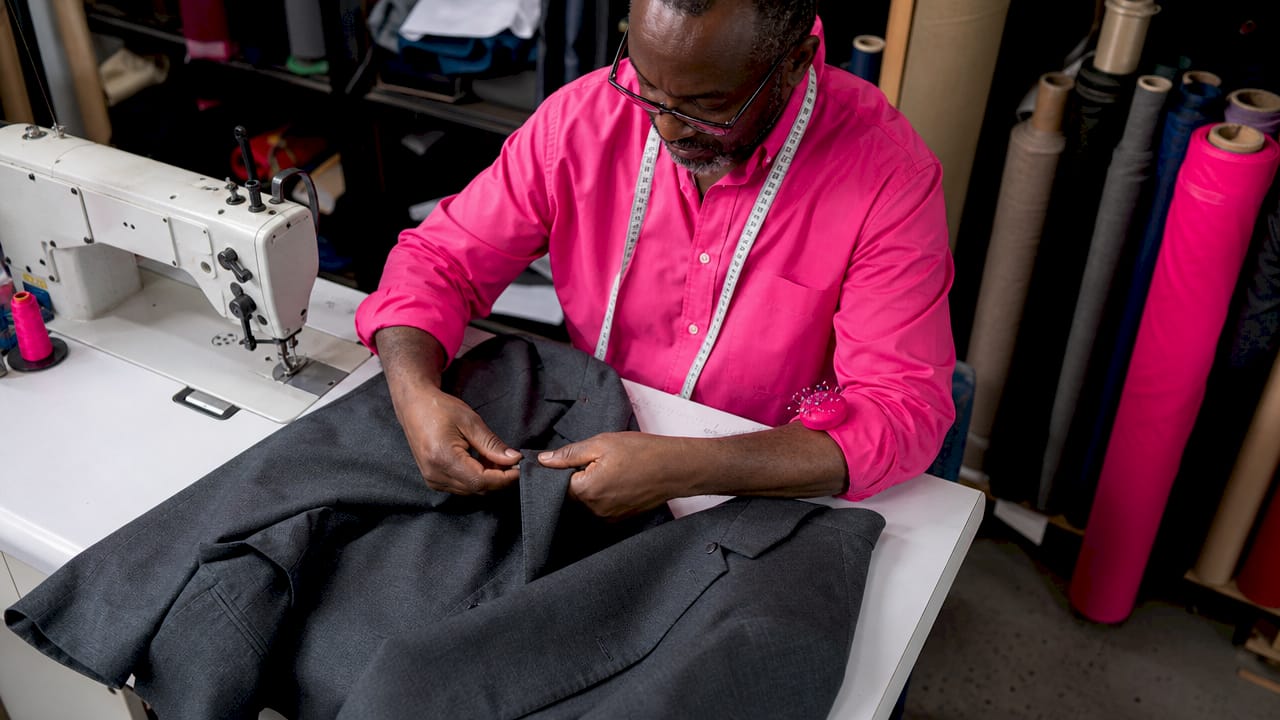
The fit difference between custom and mass-produced clothing is structural, not cosmetic. Bespoke tailoring, the highest tier of custom garment production, requires 60 to 80 hours of handwork and a completely new pattern drafted from your measurements. Made-to-measure sits one step below, adjusting a base pattern to your body. Off-the-rack clothing fits a statistical average that may not match any single person precisely.
The practical consequence of poor fit is expensive. Alterations on mass-produced garments typically cost $75 to $300, and designer suits can require up to $500 in additional tailoring after purchase. Custom garments eliminate that cost entirely because the fit is resolved before the garment is finished. Understanding what custom fit means for you is the first step toward making a genuinely informed wardrobe decision.
| Fit approach | Process | Typical outcome |
|---|---|---|
| Bespoke | New pattern drafted per person, 3–4 fittings | Precise fit, no alterations needed |
| Made-to-measure | Base pattern adjusted to measurements | Good fit, minor tweaks possible |
| Off-the-rack | Standard sizing, no individual input | Frequent alterations required |
A bespoke commission typically spans 10 to 14 weeks across three to four fittings. That timeline is not a flaw. It is the mechanism by which the garment is shaped to your body rather than the other way around.
Is custom clothing worth it for long-term durability?
The durability argument for tailored apparel is grounded in construction techniques that mass production cannot replicate at scale. Bespoke garments use a floating canvas, a layered interior made from horsehair and wool, hand-stitched inside the jacket. This canvas molds to the wearer’s chest over time, meaning the garment literally fits better after years of wear than it did on day one. Mass-produced suits use a fused canvas, glued rather than stitched, which separates and bubbles after repeated dry cleaning.
Fabric choice compounds this advantage. Custom tailors work with long-staple cotton, wool, and linen, natural fibers that breathe, age gracefully, and hold their structure. Fast fashion relies on synthetic blends treated with chemical finishes that degrade quickly. The difference in hand feel is obvious. The difference in longevity is dramatic.
The cost-per-wear math makes the case clearly. A bespoke suit costing £4,000, worn 200 days a year for 15 years, costs approximately £1.30 per wear. A £500 high-street suit worn for three years costs roughly £0.83 per wear but requires replacement far sooner and alteration costs along the way. The gap narrows considerably once you account for those hidden expenses. Longevity defines sustainable clothing in a way that purchase price alone never captures.
Pro Tip: Cedar shoe trees, fabric steamers, and proper hanging extend the life of any tailored garment significantly. Store wool pieces in breathable garment bags, never plastic, to prevent moisture buildup and fiber degradation.
How does custom clothing support sustainability?
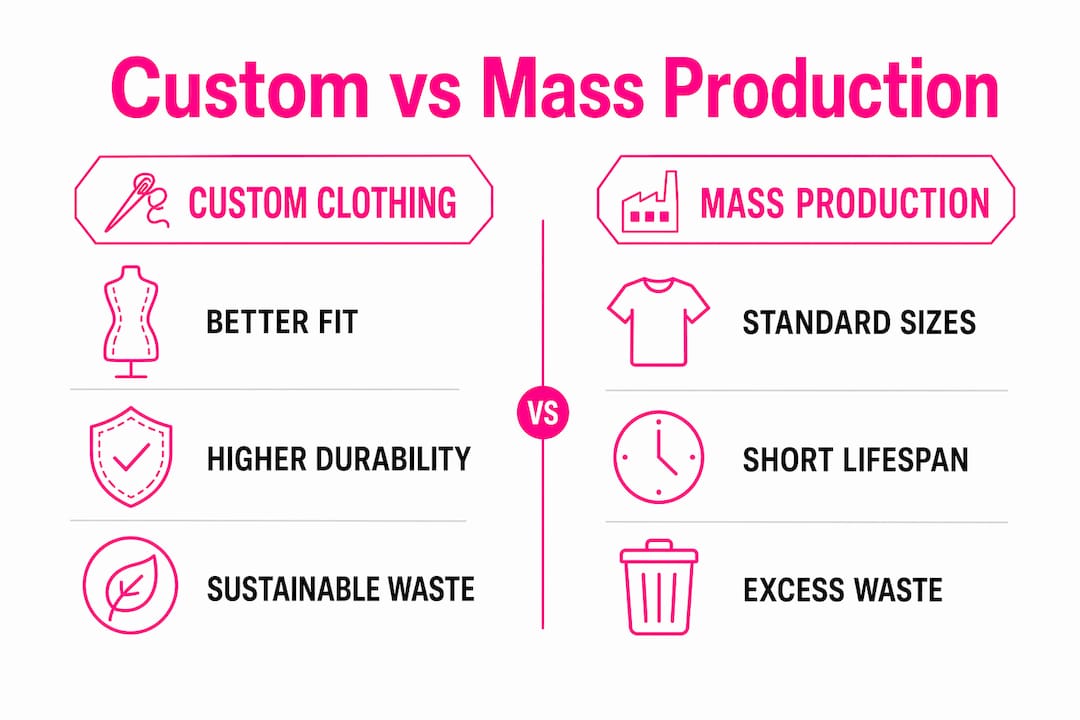
Fast fashion is built on planned obsolescence. Garments are designed to last fewer than 10 wears before showing visible damage, which drives repeat purchasing and continuous waste. Custom and made-to-order production breaks that cycle at the source by manufacturing only what is requested.
The sustainability advantages of custom apparel are concrete and measurable:
- No overproduction. Made-to-order manufacturing aligns supply with demand, eliminating the surplus inventory that mass producers routinely destroy or landfill.
- Better materials. Custom brands prioritize natural fibers that biodegrade, rather than synthetic blends that shed microplastics with every wash.
- Ethical labor. Bespoke ateliers and small custom studios pay skilled craftspeople fairly for specialized work, unlike the factory conditions common in fast fashion supply chains.
- Reduced returns. Garments made to fit generate far fewer returns than mass-produced items, cutting the transportation and repackaging waste that return logistics create.
Customization reduces fashion waste in ways that recycling programs and sustainability pledges from mass producers cannot match. The most ethical garment is one that was made for you, fits you, and stays in your wardrobe for a decade. Czt builds this principle into every piece it produces, using recycled materials and made-to-order processes that treat waste as a design problem, not an afterthought. Sustainable custom fashion is not a niche concern. It is the direction the entire industry is moving.
In what ways does custom clothing enable personal style?
Mass production offers the illusion of choice. You select from a predetermined range of colors, cuts, and silhouettes that a design team approved months earlier for the broadest possible market. Custom clothing inverts that relationship entirely. You define the composition: the fabric, the cut, the color, the details, the proportions.
This creative control matters beyond aesthetics. Consumer demand for uniqueness and flexibility is actively reshaping manufacturing toward personalization, because people want clothing that reflects who they are rather than what a trend cycle dictates. A custom piece fills a specific gap in your wardrobe with intention. It does not duplicate something you already own or approximate something you almost like.
The options available through custom tailoring include:
- Fabric selection from natural or recycled materials
- Cut choices across silhouette, hem length, and collar style
- Color and print decisions made by the wearer, not the brand
- Personalized details like monograms, custom linings, or culturally specific embroidery
- Fit adjustments for non-standard proportions that off-the-rack sizing ignores
One-of-a-kind apparel designs are not reserved for luxury clients. Czt’s custom couture design services bring that level of personalization to streetwear, allowing customers to shape not just a garment but their entire fashion identity. Personalized streetwear looks show what that freedom looks like in practice.
What are the realistic challenges of choosing custom over mass-produced?
Custom clothing carries real trade-offs, and pretending otherwise does readers a disservice. The upfront cost is higher, often significantly so. True bespoke work requires weeks of your time across multiple fittings. Not every city has skilled tailors, and sourcing specific materials can require planning that mass-market shopping never demands.
Mass production remains necessary for scale and accessibility. Not every garment needs to be custom. Basics like plain white T-shirts or athletic socks serve their purpose at mass-market prices. The informed approach is to identify which pieces in your wardrobe carry the most weight, the suit you wear to every important meeting, the jacket that defines your aesthetic, the piece you reach for constantly, and invest in custom for those.
- Audit your wardrobe. Identify the five pieces you wear most and the five you never reach for. Custom investment belongs in the first category.
- Set a realistic budget. Custom does not always mean bespoke. Made-to-measure options exist at accessible price points without sacrificing fit quality.
- Plan for the timeline. Order custom pieces for events or seasons at least three months in advance to accommodate fittings and production.
- Communicate your fit preferences clearly. Learning how to specify fit preferences before your first consultation saves time and produces better results.
- Consider hybrid approaches. The growing hybrid model blending mass production efficiency with custom personalization offers a practical middle ground for budget-conscious consumers.
Pro Tip: Start with one custom piece rather than overhauling your wardrobe at once. A single well-fitted jacket or pair of trousers will teach you more about what you actually want from custom clothing than any amount of research.
Key Takeaways
Custom clothing beats mass production because it delivers superior fit, lasting durability, reduced waste, and genuine personal expression that mass-produced garments are structurally incapable of providing.
| Point | Details |
|---|---|
| Fit is the foundation | Custom garments eliminate $75–$300 in alteration costs by fitting correctly from the start. |
| Durability compounds value | A bespoke garment worn for 15 years costs less per wear than a cheap replacement cycle. |
| Sustainability is built in | Made-to-order production eliminates overstock waste that mass producers routinely landfill. |
| Personalization is real | Custom tailoring lets you define fabric, cut, color, and detail rather than choosing from a preset range. |
| Invest selectively | Custom clothing works best for high-use, high-identity pieces rather than every item in your wardrobe. |
Why I believe custom clothing is the most honest investment you can make
We built Czt on a conviction that clothing should mean something. Not in a sentimental way, but in a practical, material sense. A garment that fits your body, reflects your aesthetic, and lasts a decade is not a luxury. It is the most economical choice available once you stop measuring cost by the price tag and start measuring it by the life of the piece.
What the industry rarely admits is that the romance of bespoke is secondary to its economics. The floating canvas, the hand stitching, the weeks of fittings: these are not rituals for their own sake. They are the mechanisms that produce a garment your body will carry comfortably for years, one that compounds in value as it adapts to you rather than degrading toward the trash. That is a fundamentally different relationship with clothing than fast fashion offers.
We also believe that sustainability is not a feature you add to a garment. It is a consequence of making things well, for specific people, with materials that last. The consumer who buys one excellent piece instead of five disposable ones has already made the most impactful environmental choice available. Custom clothing makes that choice easier to execute and harder to regret.
— Czt
Czt’s approach to custom, sustainable streetwear
Czt designs apparel for people who want their clothing to carry weight, literally and culturally. Every piece in the Czt catalog is built around the same principles discussed throughout this article: materials that last, production that does not generate waste, and design that reflects the wearer rather than a trend cycle.
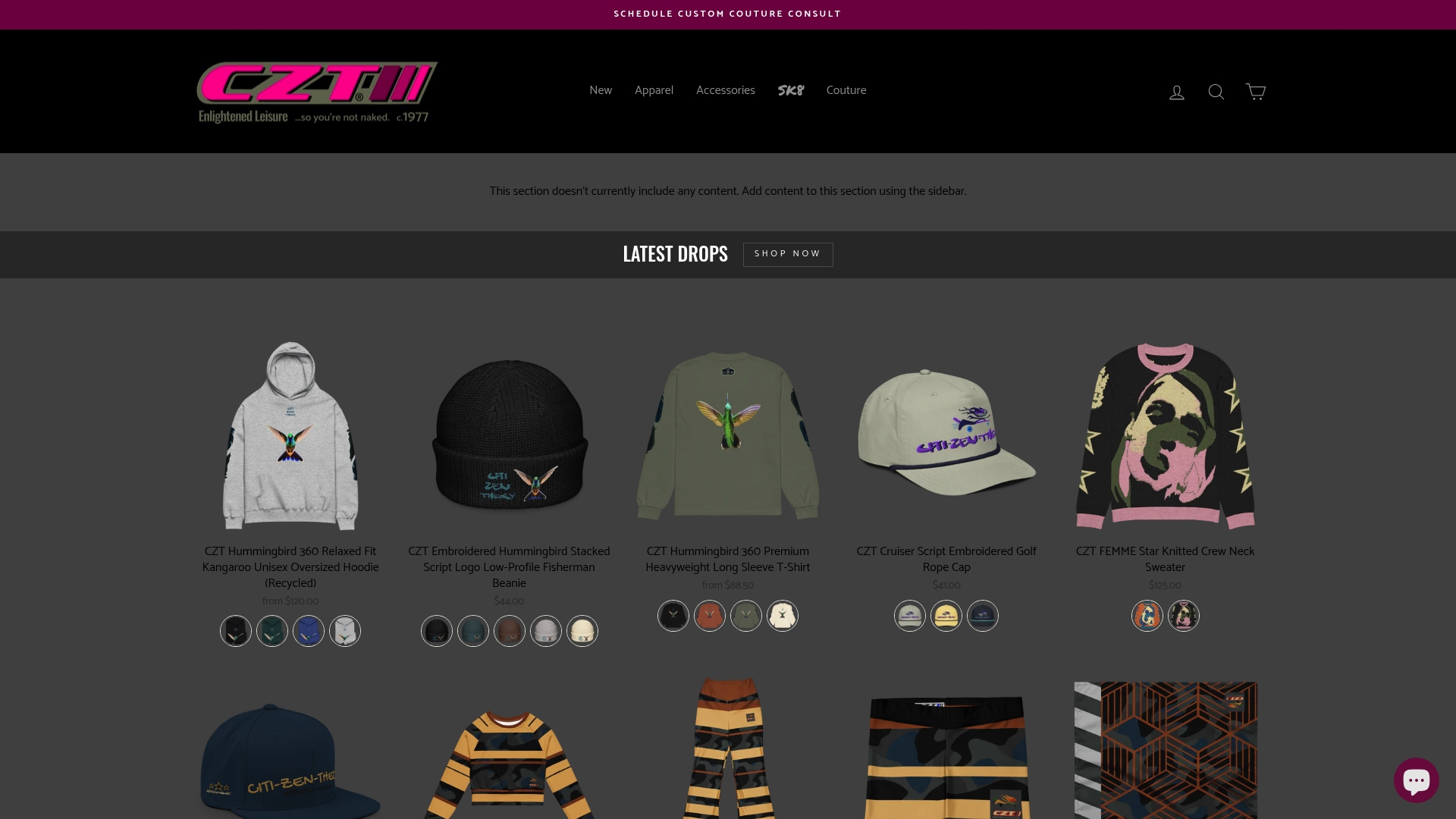
The Czt made-to-order process means your garment exists because you wanted it, not because a factory needed to fill a production run. From the Botanic Camo collection crafted from recycled materials to the custom couture design service that lets you shape every detail, Czt treats each piece as a composition rather than a commodity. Shop the Cztini Bikini recycled collection to see what sustainable, custom-made apparel looks like when it is done with genuine craft and intention.
FAQ
What is the difference between bespoke and made-to-measure?
Bespoke tailoring creates a completely new pattern from your measurements and requires 60 to 80 hours of handwork across multiple fittings. Made-to-measure adjusts a standard block pattern to your body, offering good fit at a lower cost and shorter timeline.
Why does custom clothing cost more upfront?
Custom garments require skilled labor, premium natural fibers, and individual fittings that mass production bypasses entirely. The upfront cost reflects real craftsmanship rather than factory volume discounts.
How does custom clothing reduce fashion waste?
Made-to-order production creates only what is requested, eliminating the surplus inventory that mass producers routinely destroy or send to landfill. That single structural difference makes custom apparel significantly less wasteful by design.
Is custom clothing worth it if I have a limited budget?
Yes, when applied selectively. Investing in one or two high-use custom pieces delivers better long-term value than repeatedly replacing cheap mass-produced alternatives that wear out quickly and require costly alterations.
How long does a custom garment take to produce?
A true bespoke commission typically takes 10 to 14 weeks across three to four fittings. Made-to-measure timelines vary by maker but generally run four to eight weeks from measurement to delivery.
Recommended
- Why Customization Reduces Fashion Waste Effectively – CZT [CITI-ZEN-THEORY]
- Why Sustainable Custom Fashion Matters for Real Change – CZT [CITI-ZEN-THEORY]
- Examples of One-of-a-Kind Apparel Designs to Inspire You – CZT [CITI-ZEN-THEORY]
- What Is Custom Couture Streetwear: A Style Guide – CZT [CITI-ZEN-THEORY]