![CZT [CITI-ZEN-THEORY]](http://czt.rocks/cdn/shop/files/CZT_-_Brand_PINK_Label_1_330x.png?v=1774104725)
![CZT [CITI-ZEN-THEORY]](http://czt.rocks/cdn/shop/t/61/assets/CZT-Fast-Logo---Blue-Grey_330x.png?v=98224836737033641471695502660)
![CZT [CITI-ZEN-THEORY]](http://czt.rocks/cdn/shop/files/CZT_-_Brand_PINK_Label_1_170x.png?v=1774104725)
![CZT [CITI-ZEN-THEORY]](http://czt.rocks/cdn/shop/t/61/assets/CZT-Fast-Logo---Blue-Grey_170x.png?v=98224836737033641471695502660)
Personalized Streetwear Looks: 9 Bold Style Examples
Personalized streetwear is defined as custom or DIY fashion that reflects individual identity through bespoke detailing, handcrafted elements, or made-to-order design. Unlike generic hype culture, where the logo does the talking, the best examples of personalized streetwear looks tell a story that belongs entirely to you. Brands like Chrome Hearts and services like MAD ALICE have made bespoke customization accessible beyond celebrity circles. Fashion editors at MR PORTER have noted a cultural shift toward meaningful personalization, away from chasing logos and toward pieces that carry real personal weight. That shift is the foundation of every look covered here.
1. Examples of personalized streetwear looks: bespoke celebrity outfits
Celebrity style is the clearest window into what bespoke personalization can achieve at its highest level. These outfits are not just expensive. They are compositionally intentional, built around a specific story or allegiance.
- Timothée Chalamet’s Chrome Hearts tracksuit: Chalamet wore a bespoke Chrome Hearts orange tracksuit with custom Timberland boots featuring Knicks-inspired crosses at NBA Finals Game 3. The outfit referenced a specific sports allegiance, turning a tracksuit into a personal declaration. That level of storytelling is what separates bespoke from branded.
- Sports allegiance as design language: Incorporating team colors, insignia, or culturally specific symbols into streetwear creates an outfit that functions like autobiography. The Knicks crosses on Chalamet’s boots are not decoration. They are identity.
- Bespoke detailing as investment: A single well-crafted bespoke piece carries more expressive power than an entire wardrobe of off-the-rack logos. The composition rewards attention, and it ages with you rather than dating itself to a trend cycle.
Bespoke personalization works best when the custom detail references something genuinely yours: a team, a place, a memory, or a craft. The outfit becomes a wearable artifact.
2. DIY patchwork hoodies: building texture and story at home
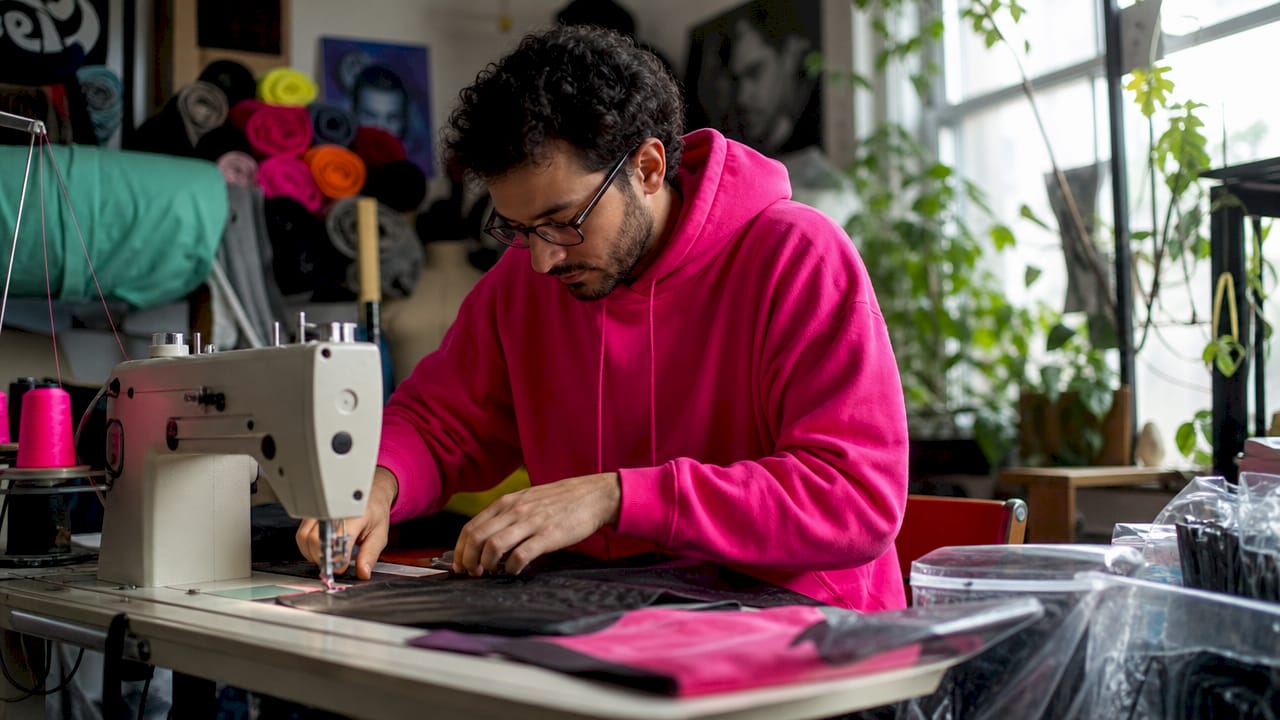
Patchwork hoodies are one of the most accessible and aesthetically intriguing forms of individualized urban fashion. The process is tactile, iterative, and deeply personal, making each finished piece a composition rather than a product.
The core toolkit for a patchwork hoodie includes scissors, pins, a sewing machine or needle and thread, and fabric glue. Fabric scraps, lace, appliqués, and vintage patches all work as source material. The base hoodie should be a neutral color so the patchwork reads clearly against it.
The process runs in this order:
- Select your base hoodie. Choose a cotton-heavy or smooth fleece garment. These fabrics hold applied materials better than fuzzy or heavily textured surfaces.
- Gather your patches and fabric scraps. Vintage denim, corduroy, embroidered appliqués, and printed cotton all create visual contrast when layered together.
- Dry lay your composition. Arrange all patches on the hoodie without sewing or gluing. Step back and assess the balance of color, texture, and placement.
- Photograph the layout. A dry-layout photo before sewing prevents costly mistakes and produces a more intentional final result. This single step separates a polished patchwork piece from a cluttered one.
- Sew or glue your patches. Start from the center and work outward. Fabric glue works for lighter appliqués; a sewing machine creates a more durable bond for heavier patches.
- Finish and press. Iron the completed hoodie to set adhesives and flatten seams for a cleaner look.
The retro, textured aesthetic of patchwork aligns naturally with skate culture and upcycled fashion. You can find further upcycled streetwear inspiration that shows how this approach scales from a single hoodie to a full wardrobe philosophy.
Pro Tip: Photograph your dry layout from the same distance you would view the finished hoodie. What looks balanced up close can feel lopsided at arm’s length.
3. Custom sneaker design services: footwear as the hero piece
Custom sneakers are the single most recognized form of personalized footwear in streetwear culture. A well-designed pair anchors an entire outfit and communicates your aesthetic before you say a word.
Services like MAD ALICE Custom Kicks offer a structured personalization process that includes:
- Selecting your sneaker silhouette from available styles
- Uploading original artwork or choosing from existing design elements
- Selecting colors, decals, and placement for each panel
- Choosing between a print-only edition for a cleaner, more affordable result or a fully elaborated custom build
The print-only option is the smartest entry point for first-time customizers. It delivers crisp, high-resolution graphics without the cost of hand-painted or embroidered finishes. For those ready to invest more, full custom builds allow names, initials, and layered artwork across the entire shoe.
A custom sneaker functions best as the focal point of an otherwise restrained outfit. Pair them with solid-color trousers and a clean base layer. The shoe carries the visual weight. Everything else supports it.
4. The one hero piece method: how to style streetwear effectively
The most reliable styling principle in personalized streetwear is the one hero piece approach. One custom item anchors the outfit. Every other piece plays a supporting role. This method prevents visual clutter and ensures your personalized detail actually gets seen.
- Identify your hero. It could be a patchwork hoodie, a custom sneaker, a hand-embroidered jacket, or a bespoke printed tee. One item. Not three.
- Build outward with restraint. Solid colors, minimal graphics, and neutral tones in the surrounding pieces let the hero breathe. A busy background competes with your custom work.
- Use a layering checklist. A base, mid, and outer layer system keeps the outfit coherent while leaving room for the personalized element to remain the focal point. A plain white tee as the base, a solid mid-layer, and your custom outer piece is a composition that works every time.
- Match fabric types to your customization method. Text and image prints fail on fuzzy or heavily textured surfaces. Cotton-heavy and smooth fleece hold ink far better, which means your personalization lasts longer and looks sharper over time.
- Invest in quality for longevity. Personal embroidery and quality patches add meaning and durability to a piece. A well-made custom item matures with wear rather than degrading into a faded novelty.
Pro Tip: Before finalizing any custom streetwear outfit, take a full-length photo in natural light. What reads as balanced in a mirror often reveals proportion issues in a photograph.
5. Layering for personalized looks: cold-weather and transitional styling
Layering is not just a cold-weather strategy. It is the primary compositional tool for making personalized streetwear work across seasons and settings. The structure of a layered outfit determines whether your custom piece reads as intentional or accidental.
A base layer should be simple and close-fitting. A heavyweight cotton tee or a ribbed long-sleeve shirt in a neutral tone creates a clean foundation. The mid-layer is where texture enters: an open flannel, a zip-up fleece, or a denim jacket. The outer layer is where your hero piece lives, whether that is a custom-printed bomber, a patchwork hoodie, or a bespoke track jacket. You can study cold-weather layering techniques that apply directly to skate and street contexts.
The key is proportion. Bulky outer layers need slim base and mid-layers to avoid a shapeless silhouette. Conversely, a fitted custom outer piece can tolerate more volume underneath. The goal is always to frame the personalized element, not bury it.
6. Sustainable personalization: materials that carry meaning and minimize waste
Personalization and sustainability are not opposing forces. The most forward-thinking custom streetwear outfits use recycled or upcycled materials as the foundation of their design. This approach adds a layer of intention that purely aesthetic customization cannot match.
Customization actively reduces fashion waste by extending the life of existing garments and reducing demand for new production. A vintage denim jacket with hand-stitched patches is not just a style statement. It is a material decision with a measurable impact. Czt builds this philosophy into its entire design process, using recycled materials across collections like Botanic Camo to create pieces that are aesthetically intriguing and environmentally considered.
Choosing durable, sustainable clothing as the base for personalization also means your custom work lasts longer. A garment that holds its structure and color through repeated wear gives your embroidery, patches, or prints a stable surface to live on.
7. Comparing personalization methods: bespoke, DIY, and digital customization
Each personalization method serves a different purpose, budget, and expressive goal. The table below maps the key differences so you can choose the approach that fits your style and situation.
| Method | Cost | Time Investment | Uniqueness | Best For |
|---|---|---|---|---|
| Bespoke tailoring | High | High | Maximum | Statement pieces, special occasions |
| DIY patchwork | Low to medium | Medium | High | Casual wear, creative expression |
| Digital custom sneakers | Medium | Low | Medium to high | Footwear hero pieces, gifts |
| Print-only custom apparel | Low | Very low | Medium | Everyday personalization, budget builds |
Bespoke tailoring, as seen in Chalamet’s Chrome Hearts tracksuit, delivers the highest expressive ceiling but requires significant investment of both money and time. DIY patchwork sits at the opposite end of the cost spectrum while still producing genuinely one-of-a-kind results. Digital customization services like MAD ALICE split the difference, offering a structured process with a predictable outcome. Print-only editions are the most accessible entry point for anyone building their first custom streetwear outfit.
The right method depends on the role the piece plays in your wardrobe. A bespoke jacket is a long-term investment. A patchwork hoodie is a weekend project. A custom sneaker is a focal point. Each has its place in a well-considered personal style.
Key takeaways
Personalized streetwear works best when one custom hero piece anchors the outfit, supported by restrained layering and materials chosen to match the customization method.
| Point | Details |
|---|---|
| Hero piece principle | Build every outfit around one custom item and keep surrounding pieces simple. |
| Fabric compatibility | Match your customization method to the fabric; smooth cotton fleece holds prints longest. |
| DIY dry layout | Photograph patch arrangements before sewing to avoid disorganized results. |
| Bespoke storytelling | Reference personal allegiances, places, or memories to give custom pieces lasting meaning. |
| Sustainability as style | Upcycled and recycled materials add intention and reduce waste without sacrificing aesthetics. |
Streetwear as autobiography: a Czt perspective
We have watched streetwear cycle through phases of pure hype, logo saturation, and drop culture for long enough to know what actually endures. The pieces that last in a wardrobe, and in the culture, are the ones that carry a story. Not a brand story. Yours.
When we think about the youth frolicking dangerously to the soundtrack of their own making, skating concrete, tagging walls, layering vintage finds over performance-driven bases, we see people who were personalizing streetwear long before the word “customization” became a marketing category. That instinct is the root of everything we build at Czt.
The tension we see most often is between the desire to stand out and the fear of getting it wrong. Our honest view is that the fear is the wrong starting point. A patchwork hoodie assembled with genuine care and a clear personal reference will always read better than a perfectly coordinated outfit assembled from trend reports. Authenticity in composition is not a style tip. It is the entire point.
Material choices matter as much as design choices. A beautifully personalized piece built on a fabric that degrades in six months is not an investment. It is a disappointment. We push hard on this at Czt because we believe personalized fashion should mature with you, not fall apart on you.
The most enduring streetwear we have seen, from the graffiti-influenced graphics of early skate culture to the bespoke tailoring of contemporary artists like Chalamet, shares one quality: it is specific. Specific to a person, a place, a moment. That specificity is what you are building when you invest in personalized streetwear. Build it deliberately.
— Czt
Czt’s personalized streetwear collection for bold individual style
Czt designs pieces that carry the same compositional intention this article describes, built on recycled materials and shaped by a genuine appreciation for streetwear culture.
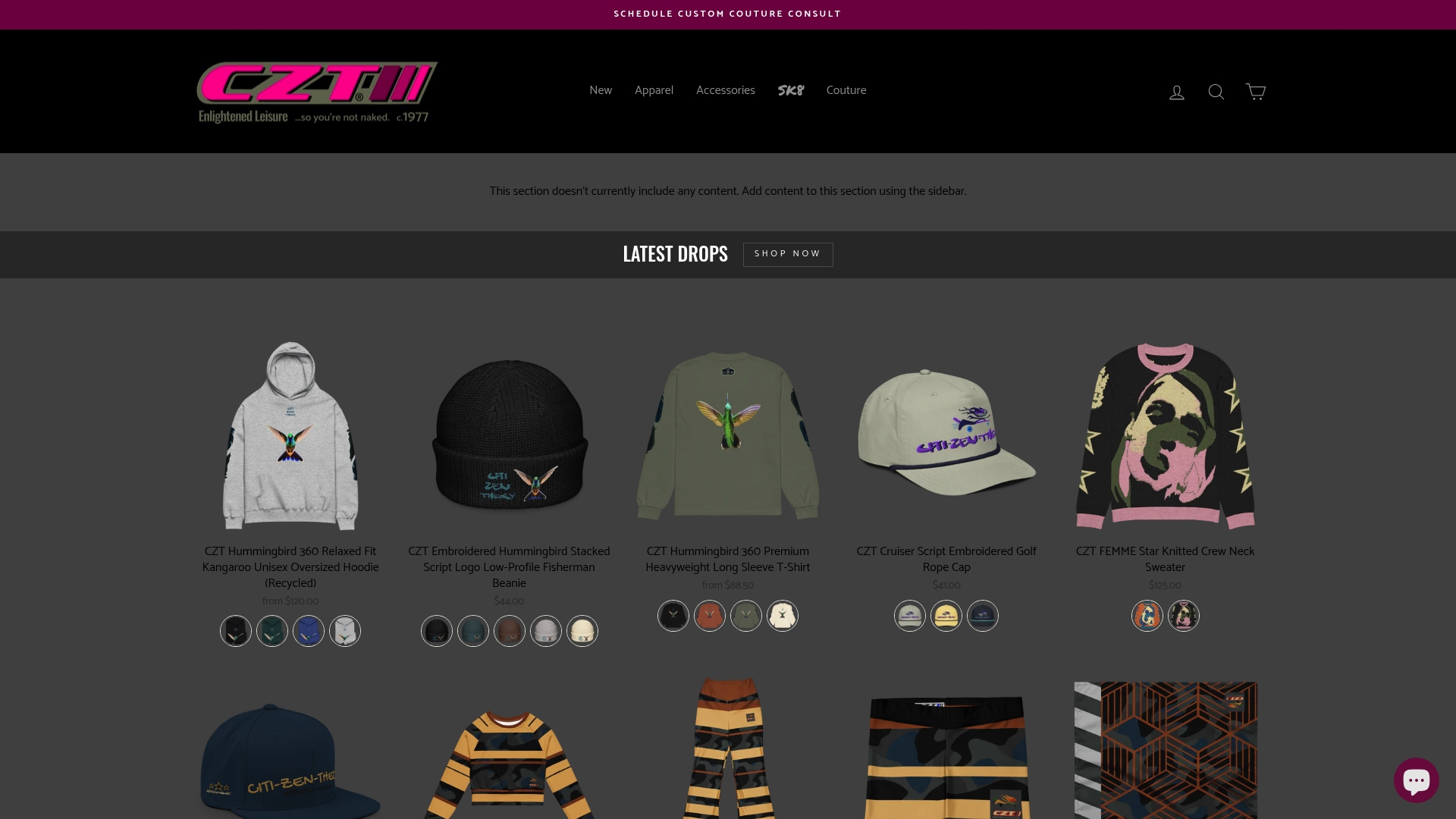
The CZT BEE Maze Pencil Dress is a bold, unforgettable statement piece that functions exactly like a hero item in a streetwear-influenced wardrobe. For those drawn to sustainable personalization in swimwear, Czt’s recycled bikini pieces bring the same design philosophy to a different context. Every piece in the Czt collection is built to be worn with intention, not just owned. If you are ready to invest in personalized fashion that reflects your values and your aesthetic, Czt is the place to start.
FAQ
What makes a streetwear look truly personalized?
A personalized streetwear look incorporates custom details that reference your specific identity, values, or story rather than generic branding. Bespoke embroidery, hand-applied patches, or uploaded artwork on custom sneakers all qualify.
How do I style a custom piece without overwhelming the outfit?
Use the one hero piece method: let your custom item be the focal point and keep every other garment simple, solid, and neutral. This approach ensures the personalized detail reads clearly.
What fabric works best for custom printed streetwear?
Cotton-heavy and smooth fleece fabrics hold ink and applied graphics far better than fuzzy or heavily textured surfaces. Choosing the right base fabric is the most important factor in how long your customization lasts.
Is DIY patchwork difficult for beginners?
Patchwork hoodies are accessible to beginners with basic sewing skills or even fabric glue. The most important step is photographing your dry layout before committing to any placement, which prevents disorganized results.
How does personalized streetwear connect to sustainability?
Personalizing existing garments extends their life and reduces demand for new production. Using recycled or upcycled materials as the base for customization adds an additional layer of environmental intention to your style choices.
Recommended
- Examples of One-of-a-Kind Apparel Designs to Inspire You – CZT [CITI-ZEN-THEORY]
- Examples of Upcycled Streetwear Designs That Inspire – CZT [CITI-ZEN-THEORY]
- Material Innovation in Streetwear: Style Meets Ethics – CZT [CITI-ZEN-THEORY]
- Layer Streetwear for Cold Weather Skating in Style – CZT [CITI-ZEN-THEORY]