![CZT [CITI-ZEN-THEORY]](http://czt.rocks/cdn/shop/files/CZT_-_Brand_PINK_Label_1_330x.png?v=1774104725)
![CZT [CITI-ZEN-THEORY]](http://czt.rocks/cdn/shop/t/61/assets/CZT-Fast-Logo---Blue-Grey_330x.png?v=98224836737033641471695502660)
![CZT [CITI-ZEN-THEORY]](http://czt.rocks/cdn/shop/files/CZT_-_Brand_PINK_Label_1_170x.png?v=1774104725)
![CZT [CITI-ZEN-THEORY]](http://czt.rocks/cdn/shop/t/61/assets/CZT-Fast-Logo---Blue-Grey_170x.png?v=98224836737033641471695502660)
Why Customization Reduces Fashion Waste Effectively
Customization reduces fashion waste by replacing speculative mass production with made-to-order manufacturing, ensuring every garment created corresponds to a confirmed human need. The fast fashion industry’s model of overproduction treats clothing as disposable, with fast fashion garments discarded after an average of just 7 weeks. Custom apparel, by contrast, is designed with intention, built to fit, and made to last. Czt has lived this philosophy since its founding, weaving sustainability and personal expression into every piece. Understanding why customization reduces fashion waste means understanding both the mechanics of production and the psychology of ownership.
Why customization reduces fashion waste at the production level
The most direct answer to how customization minimizes waste lies in a single principle: nothing is made until someone asks for it. Traditional mass production requires brands to forecast demand months in advance, manufacturing thousands of units that may never sell. Made-to-order manufacturing ties production directly to confirmed demand, eliminating the surplus inventory that eventually ends up in landfills or incinerators.
The contrast between these two models is stark when you examine the numbers and the mechanics side by side.
| Factor | Mass production | Custom/made-to-order |
|---|---|---|
| Production trigger | Forecasted demand | Confirmed order |
| Fabric waste | High (pattern inefficiencies, overruns) | Low (precise cutting, no excess) |
| Return rate | High (poor fit, wrong size) | Low (measured-to-fit) |
| Surplus inventory | Significant | Minimal |
| Carbon footprint | Higher per unit lifecycle | Lower through reduced overproduction |
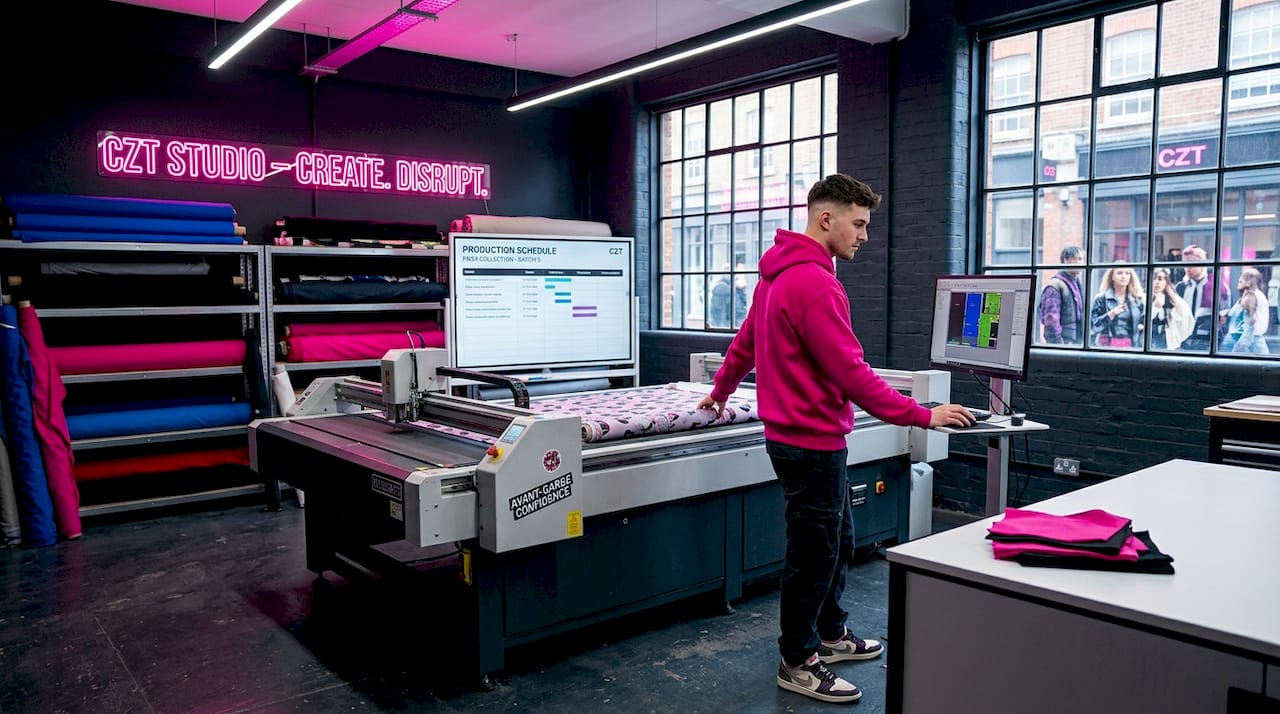
Marker making, the process of arranging pattern pieces on fabric before cutting, is one area where customization delivers immediate environmental gains. Marker making improvements can reduce fabric waste by 3 to 8%, and when combined with digital pattern-making software, the savings compound across every single order. Sustainability consulting firms working with custom clothing manufacturers report that reducing unnecessary sample rounds is among the fastest ways to cut material loss across the supply chain.
Intentional production prioritizes clarity and discipline, dramatically reducing waste through improved planning, communication, and workflow redesign. This is not an abstract principle. It is a measurable operational shift that changes how fabric is purchased, how patterns are cut, and how finished goods move through the world.
Pro Tip: If you are evaluating a brand’s sustainability claims, ask whether they use made-to-order production or hold large seasonal inventory. The answer reveals more about their actual environmental impact than any marketing language.
What psychological factors make customization effective at reducing waste?
The behavioral dimension of why custom garments reduce overproduction is as compelling as the production mechanics. When you participate in designing or specifying a garment, you form an attachment to it that mass-produced clothing rarely generates. Researchers call this the IKEA effect: the phenomenon where personal input increases perceived value, leading to longer use and less discard.
This psychological mechanism operates on several levels simultaneously, each reinforcing the others:
- Intentional purchasing. Customization slows the decision process. You choose fabric, fit, and detail, which means you are far less likely to impulse-buy and later regret the purchase. The deliberate nature of the transaction itself filters out the casual, throwaway consumption that drives fast fashion cycles.
- Superior fit reduces replacement churn. Clothing fit strongly affects wearer confidence and social belonging, and ill-fitting clothes are discarded or replaced far more frequently. A garment that fits your actual body is one you wear repeatedly, not one you replace after three washes.
- Emotional ownership discourages disposal. When a piece feels genuinely yours, because you chose its composition, its color, its silhouette, you are far more likely to repair it when it wears rather than discard it. This single behavioral shift extends garment lifespan in ways that no recycling program can replicate.
- Reduced purchase volume. Consumers who invest in custom pieces tend to buy fewer items overall. The personalized fashion and waste reduction connection is partly mathematical: one well-made, well-fitting piece replaces three mediocre ones.
The financial dimension reinforces the behavioral one. Consumers who avoid frequent fast fashion replacements through custom pieces can save meaningfully over time, with frequent replacements costing consumers $150 to $200 per year. That figure represents not just money spent but garments discarded, resources wasted, and carbon emitted in the production of items that served no lasting purpose.
How is technology enabling sustainable customization in 2026?
The custom apparel environmental benefits that once required expensive atelier appointments are now accessible at scale, largely because of advances in artificial intelligence and digital fabrication. These technologies do not replace craftsmanship. They extend its reach and precision to a far broader audience.
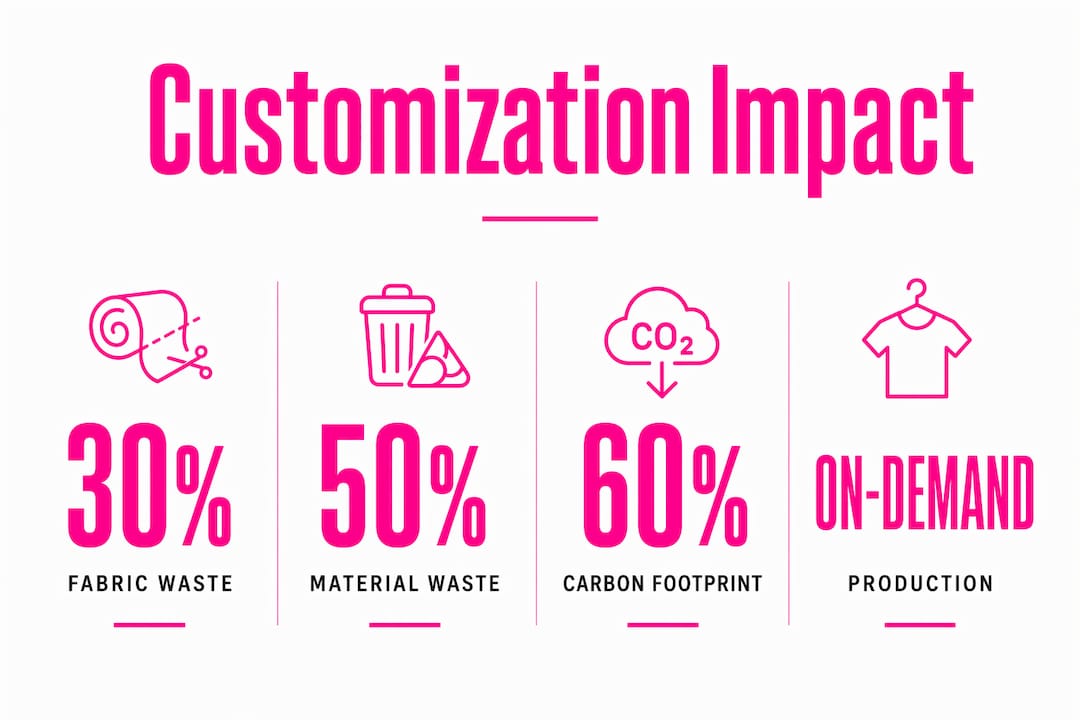
AI-driven personalized customization can reduce fabric waste by up to 30% compared to mass production by enabling precise on-demand manufacturing. The mechanism is measurement accuracy: modern AI systems achieve an average error of just 0.38 cm in body measurements and 87.4% style matching accuracy, which means garments fit correctly the first time and return rates drop significantly. AI reduces measurement errors by 38.57%, directly lowering the overproduction that results from sizing uncertainty.
| Technology | Primary waste reduction mechanism | Efficiency gain |
|---|---|---|
| AI body measurement | Eliminates sizing guesswork | 38.57% fewer measurement errors |
| Digital pattern nesting | Optimizes fabric layout before cutting | 3 to 8% fabric savings per order |
| Additive manufacturing | Builds material only where needed | Up to 50% less material waste |
| On-demand production software | Triggers manufacturing from confirmed orders | Near-zero surplus inventory |
Additive manufacturing reduces material waste by up to 50% and cuts carbon footprint by 40 to 60%, a figure that reframes the entire economics of sustainable production. Traditional subtractive cutting removes material from a larger piece, generating offcuts that are rarely recoverable. Additive processes build the garment component from the ground up, using only what the design requires.
Advanced nesting software combined with CNC cutting machines optimizes fabric usage by minimizing redundant cuts, greatly lowering material waste at scale. For brands like Czt, which source recycled materials for collections like the Botanic Camo line, these technologies mean that the sustainability story does not end at the fiber. It runs through every stage of production.
Pro Tip: When researching sustainable apparel brands, look for those that combine recycled or organic materials with on-demand production. Either practice alone is meaningful. Together, they represent a genuinely different relationship with material resources.
How consumers can build a more sustainable wardrobe through customization
Understanding the impact of custom clothing on sustainability is one thing. Translating that understanding into personal wardrobe decisions is another. The following steps represent a practical framework for using customization as a tool for intentional, lower-waste fashion.
-
Prioritize fit above all else. A garment that fits your body precisely will be worn far more often and far longer than one that almost fits. Seek out brands that offer sizing customization, whether through made-to-measure services, extended size ranges, or adjustable design features.
-
Choose quality materials with intention. Custom apparel built from durable, responsibly sourced fabrics, such as recycled polyester, organic cotton, or sustainably harvested natural fibers, compounds the environmental benefit. The garment lasts longer, and its production footprint is lower from the start.
-
Support brands practicing sustainable customization. Brands that combine on-demand production with recycled materials, like Czt’s approach with its sustainable canvas footwear, demonstrate that custom apparel environmental benefits are achievable at the streetwear price point, not just in luxury ateliers.
-
Use customization for repairs and upcycling. A custom design service is not only for new garments. Adding embroidery, patches, or structural alterations to existing pieces extends their life and transforms them into something you will reach for again. This is one of the most underused applications of custom couture thinking.
-
Reframe the cost calculation. A custom piece that costs twice as much as a fast fashion equivalent but lasts five times as long is not a luxury purchase. It is the more economical and more sustainable choice. The financial and environmental savings through durable customized items are real and compounding over time.
Key takeaways
Customization reduces fashion waste most powerfully when made-to-order production, precise technology, and intentional consumer behavior operate together as a unified system.
| Point | Details |
|---|---|
| Made-to-order eliminates surplus | Production tied to confirmed orders prevents the overstock that drives landfill waste. |
| AI precision cuts returns and waste | Systems achieving 0.38 cm measurement accuracy dramatically reduce ill-fitting garments and replacements. |
| The IKEA effect extends garment life | Personal input in design increases emotional attachment, discouraging disposal and encouraging repair. |
| Additive manufacturing changes the math | Up to 50% less material waste compared to traditional subtractive cutting methods. |
| Intentional buying reduces volume | Custom pieces replace multiple mediocre ones, lowering total consumption and environmental impact. |
What we have learned building Czt around this philosophy
There is a version of sustainability that reads like a checklist: recycled materials, carbon offsets, organic certification. We respect all of it. But what we have come to believe, through years of designing for skate culture and the streets, is that the most durable form of sustainability is the one rooted in genuine attachment to what you wear.
When someone puts thought into a piece, when they choose the colorway, the silhouette, the material, they are not just buying clothing. They are composing something that reflects who they are. That composition does not end up in a donation bin after seven weeks. It lives in rotation, gets repaired when it tears, and carries the kind of aesthetic weight that mass production simply cannot manufacture.
We have also watched technology change what is possible. AI in fashion is a genuine force, and we are not dismissive of it. But we believe, with some conviction, that the human element of craftsmanship is what creates the emotional resonance that keeps a garment in someone’s life. The technology serves the craft. It does not replace it.
The uncomfortable truth about sustainable fashion is that no material choice or production method matters as much as whether someone actually keeps and wears what they buy. Customization is the most reliable mechanism we know for making that happen.
— CZT
Explore Czt’s sustainable and customizable streetwear
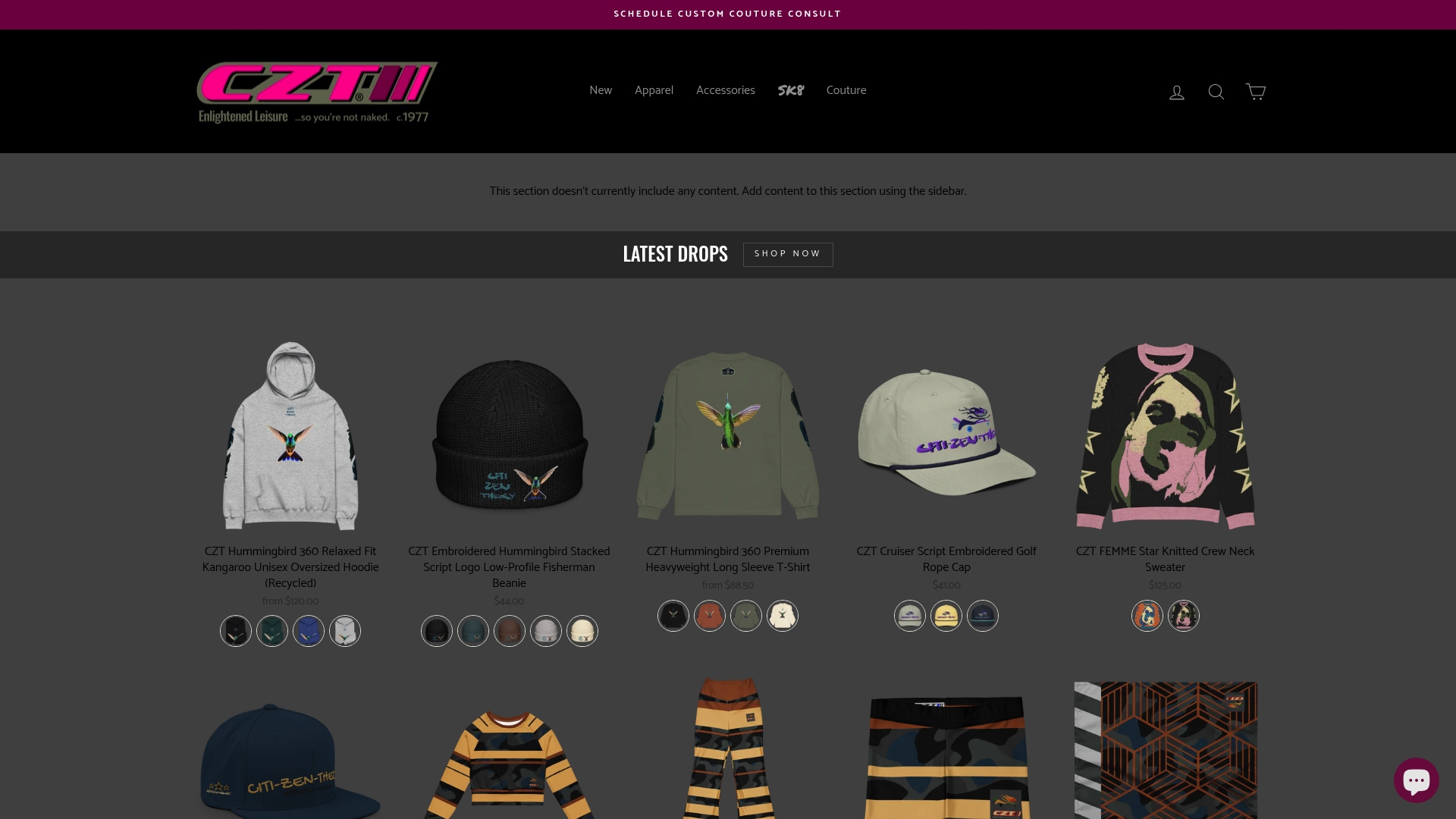
At Czt, sustainability is not a marketing layer applied over conventional production. It is the architecture of how we build. From the recycled materials in the Botanic Camo collection to our custom couture design services, every piece is conceived with the understanding that fashion should leave less behind. The CZT SK8 Logo Premium Tee and the CZT SK8 embroidered zip-up hoodie represent that commitment in wearable form: garments made for people who want their wardrobe to reflect both their aesthetic and their values. Explore the full collection at czt.rocks and find pieces built to last, not to be replaced.
FAQ
Why does customization reduce fashion waste more than recycling?
Customization prevents waste at the source by producing only what is ordered, while recycling addresses waste after it has already been created. Made-to-order manufacturing eliminates the surplus inventory that recycling programs can never fully recover.
What is the IKEA effect in fashion?
The IKEA effect describes how personal input in creating or customizing a product increases its perceived value. In fashion, this means custom garments are worn longer, repaired more often, and discarded far less frequently than mass-produced alternatives.
How much fabric waste does AI customization actually save?
AI-driven customization reduces fabric waste by up to 30% compared to mass production by enabling precise on-demand manufacturing and reducing measurement errors by 38.57%.
Can customization be sustainable at an affordable price point?
Brands like Czt demonstrate that sustainable customization is achievable in streetwear, not only in luxury fashion. Combining recycled materials with on-demand or limited production models makes the environmental benefits accessible without requiring atelier pricing.
Does better fit really reduce how much clothing people buy?
Clothing fit directly affects how often a garment is worn and how long it is kept. Better fit reduces the social anxiety associated with ill-fitting clothes, lowering the impulse to replace or supplement with additional purchases.
Recommended
- CZT SK8 Oasis Classic Casual Slip-Ons - Sustainable Canvas Footwear – CZT [CITI-ZEN-THEORY]
- CZT Banner Logo Embroidered Ribbed Beanie - Eco-Friendly & Stylish – CZT [CITI-ZEN-THEORY]
- CZT OG Dapper Duffel - Bold Botanic Camo & Graffiti Prints | Shop Now – CZT [CITI-ZEN-THEORY]
- CZT x KP - ELEPHANTS Athletic Shorts | Recycled Women’s Activewear – CZT [CITI-ZEN-THEORY]