![CZT [CITI-ZEN-THEORY]](http://czt.rocks/cdn/shop/files/CZT_-_Brand_PINK_Label_1_330x.png?v=1774104725)
![CZT [CITI-ZEN-THEORY]](http://czt.rocks/cdn/shop/t/61/assets/CZT-Fast-Logo---Blue-Grey_330x.png?v=98224836737033641471695502660)
![CZT [CITI-ZEN-THEORY]](http://czt.rocks/cdn/shop/files/CZT_-_Brand_PINK_Label_1_170x.png?v=1774104725)
![CZT [CITI-ZEN-THEORY]](http://czt.rocks/cdn/shop/t/61/assets/CZT-Fast-Logo---Blue-Grey_170x.png?v=98224836737033641471695502660)
Thrift Flip Streetwear: Sustainable Pieces You'll Love
Thrift flipping is the practice of transforming secondhand clothing into unique, sustainable streetwear pieces through creative upcycling and DIY customization. The process sits at the intersection of circular fashion and personal expression, and it has captured the imagination of a generation raised on skate culture, graffiti art, and the conviction that style should never cost the earth. Thrift flip streetwear sustainable pieces are not simply a budget workaround. They are a cultural statement that reframes secondhand garments as raw material for something genuinely one of a kind. With the right tools, a clean workflow, and an appreciation for craft, you can build a wardrobe that is both aesthetically intriguing and environmentally grounded.
What tools and fabrics work best for thrift flip streetwear sustainable pieces?
The right tools make the difference between a polished flip and a garment that falls apart after one wash. Every serious thrift flipper keeps five items within reach: fabric scissors, fabric glue, hem tape, a pressing iron, and a needle with thread. Fabric scissors cut cleanly without fraying edges. Hem tape and fabric glue handle no-sew joins, while a needle and thread provide durability for load-bearing seams.
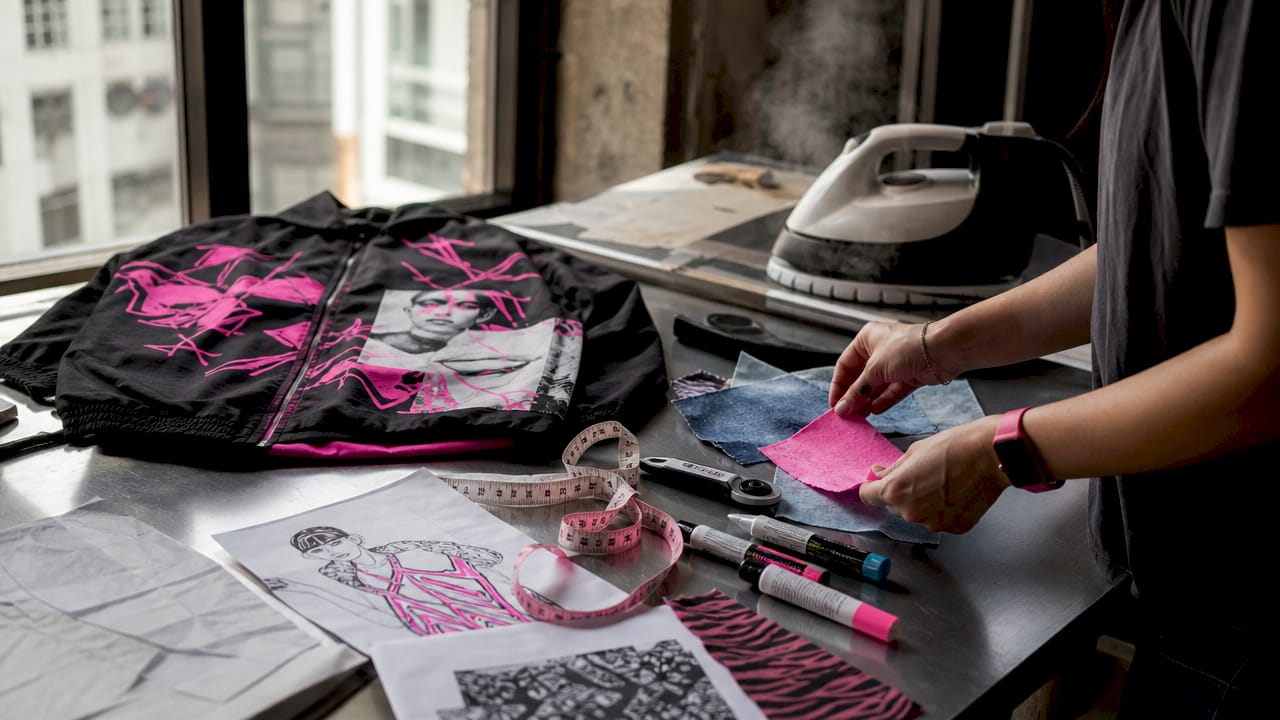
Fabric choice shapes everything that follows. Upcycling maintains material value but demands fiber stability, which is why your sourcing decisions matter as much as your technique. Cotton, denim, and linen blends hold their shape under heat and adhesive. Slippery synthetics like polyester satin and delicate fabrics like chiffon resist glue and shift under scissors, making them poor candidates for a first project.
Fabric comparison: flip-ready vs. avoid
| Fabric | Flip-Ready? | Why |
|---|---|---|
| Cotton jersey | Yes | Stable, heat-tolerant, holds adhesive well |
| Denim | Yes | Durable, frays predictably, ideal for cropping |
| Linen blend | Yes | Breathable, presses cleanly, holds structure |
| Polyester satin | Avoid | Slippery, resists glue, melts under high heat |
| Chiffon | Avoid | Too delicate, frays unpredictably, tears easily |
| Velvet | Avoid for beginners | Pile shifts under iron; requires advanced technique |
Pro Tip: Before buying a thrift piece, pinch the fabric and release it. If it snaps back without creasing, it is stable enough for a beginner flip. If it stays wrinkled or feels slippery, leave it on the rack.
How do you prepare and clean thrifted clothes for flipping?
Preparation is the step most beginners skip, and it is the one that causes the most failures. Proper cleaning transforms secondhand items into near-brand-new condition and extends wearability, which is the core sustainability argument for thrift flipping in the first place. A garment that smells, puckers, or unravels at the seams cannot be flipped into anything worth wearing.
Follow this preparation sequence before touching scissors or glue:
- Wash first. Machine-wash or hand-wash the garment according to its care label. Hot water removes most odors and sanitizes the fabric.
- Steam or iron out wrinkles. A steamer lifts stubborn creases without direct contact. An iron with a pressing cloth works for denim and cotton.
- Inspect seams. Run your fingers along every seam and reinforce any loose threads with a needle and thread before altering the garment.
- Repair small holes. Iron-on patches or a few hand stitches close minor damage. Skipping this step causes holes to widen during cutting.
- Deodorize if needed. A spray of white vinegar diluted in water, left to air-dry, neutralizes persistent odors without damaging fibers.
Pro Tip: Treat cleaning as a creative audit. While you wash and inspect the piece, you are also studying its construction: where the seams sit, how the fabric drapes, and where there is room to cut or reshape. That mental map becomes your design plan.
What are the step-by-step techniques to upcycle thrifted streetwear?
The industry term for what most people call a thrift flip is upcycling, defined as transforming a material into a new product without breaking down its fibers. That distinction matters because it shapes your technique. You are working with the garment’s existing structure, not against it. The most popular thrift flip projects in streetwear are cropped hoodies, oversized tees reshaped into fitted silhouettes, and denim pieces reworked with raw hems or patchwork panels.
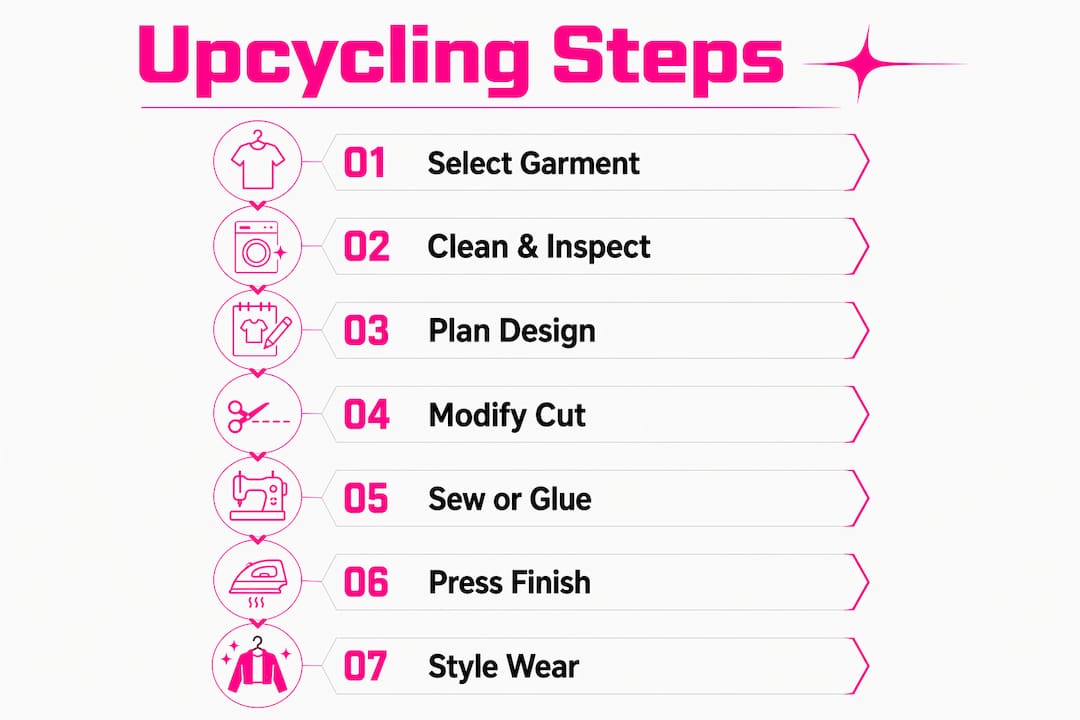
No-sew vs. sewing techniques
| Step | No-Sew Method | Sewing Method |
|---|---|---|
| Measure and mark | Chalk or fabric marker | Chalk or fabric marker |
| Cut | Fabric scissors along marked line | Fabric scissors along marked line |
| Fold and secure | Hem tape with pressing iron | Pin, then stitch with needle and thread |
| Finish edges | Fabric glue along raw edge | Serger or zigzag stitch |
| Press final fold | Iron on medium heat | Iron on medium heat |
Follow these steps for any flip project:
- Measure twice. Use a fabric ruler and chalk to mark your cut lines. Measure the same line from two anchor points to keep it straight.
- Cut deliberately. Cut slightly outside your chalk line. You can always remove more fabric; you cannot add it back.
- Fold and press before fixing. Fold the raw edge to your desired hem depth and press it with an iron. This is the step that separates professional results from amateurish ones. A pressed fold holds its shape under glue or thread.
- Apply adhesive or stitch. For no-sew projects, slide hem tape inside the fold and press with a hot iron for 10–15 seconds. For sewn projects, pin the fold and stitch close to the inner edge.
- Press the finished seam. Once the glue cures or the thread is knotted, press the entire seam again. This final press is what gives the garment a composed, intentional look.
Patchwork panels add visual complexity to denim jackets and cargo pants. Cut contrasting fabric into geometric shapes, press the edges under, and either glue or stitch them onto the base garment. Brands like Stüssy and Our Legacy have built hand-reworked capsule collections around exactly this aesthetic, treating fades and color bleeds as design features rather than flaws.
Pro Tip: Test your hem tape on a scrap piece of the same fabric before committing to the garment. Heat settings vary by iron, and some tapes bond faster than others. A 10-second test saves a ruined piece.
How do you style and wear thrift flipped pieces sustainably?
A thrift flipped piece earns its place in a wardrobe when it works with what you already own, not against it. The most effective approach is to treat your flipped item as the focal point of an outfit and build around it with neutral, long-wearing staples. A cropped thrift flip hoodie pairs with straight-leg denim and clean sneakers. A reworked oversized tee layers under an open flannel or a structured jacket for cold-weather skating looks.
Accessories extend the life and versatility of every flipped piece. A bandana tied to a bag, worn as a headband, or knotted at the wrist adds a layer of eco-friendly street style without requiring another purchase. Streetwear culture in 2026 values provenance and craft as style signals. A piece with visible hand-stitching or a raw-edge hem communicates something that mass-produced garments cannot.
Caring for flipped pieces extends their life and reinforces the sustainability argument:
- Wash in cold water. Cold water preserves adhesive bonds and prevents shrinkage in cotton and linen.
- Air-dry when possible. High dryer heat weakens hem tape bonds over time.
- Re-press hems seasonally. A quick iron pass refreshes folds that have softened with wear.
- Store folded, not hung. Hanging stretches reshaped necklines and distorts cropped silhouettes.
- Repair before replacing. A loose stitch or a lifting hem takes five minutes to fix and adds months to the garment’s life.
Upcycled streetwear designs that treat imperfection as a feature rather than a flaw are defining the aesthetic conversation in 2026. Wear your flipped pieces with that confidence.
What mistakes do beginners make when thrift flipping?
The most common thrift flip failures share a single root cause: rushing past preparation and finishing. Skipping the pressing step causes hems to curl, edges to fray, and folds to look unintentional. The garment reads as unfinished rather than artfully reworked.
Common errors and how to fix them:
- Skipping the wash. Odors and dust trapped in fabric become permanent once glue or stitching seals the seam. Always clean before altering.
- Choosing unstable fabric. Slippery or fragile materials shift during cutting and resist adhesive. Test fabric stability before purchasing.
- Cutting too close to the mark. Leaving no seam allowance means no room for a fold. Cut wide, then trim.
- Not pressing before fixing. Unset folds produce wavy, unprofessional hems. Press every fold before applying glue or thread.
- Ignoring seam repairs. A weakened seam near a cut line will fail under tension. Reinforce before altering.
“Pro flippers follow a clean-first process: sanitize, restore, and repair before altering. This prevents hidden odors, dust, and seam weakness from compromising the final quality of the piece.” — Salvage Society
Pro Tip: Before committing to a full flip, test your technique on a small, hidden area of the garment. Cut a two-inch strip from an interior seam allowance and practice your fold, glue, and press sequence. If it looks clean, proceed. If it does not, adjust your iron temperature or tape brand before touching the visible fabric.
Key Takeaways
Thrift flipping produces durable, one-of-a-kind streetwear when you prioritize cleaning, pressing, and fabric selection above all else.
| Point | Details |
|---|---|
| Clean before you cut | Washing and repairing before altering prevents odors and seam failures in the finished piece. |
| Fabric stability is non-negotiable | Cotton, denim, and linen hold adhesive and heat; slippery synthetics fail both tests. |
| Press every fold twice | Pressing before and after fixing a hem is what separates polished flips from amateurish ones. |
| Style flipped pieces as focal points | Build outfits around your upcycled item using neutral, long-wearing staples and accessories. |
| Sustainability requires care | Cold washing, air-drying, and seasonal re-pressing extend the life of every flipped garment. |
Czt’s perspective on craft, culture, and the thrift flip movement
We have watched thrift flipping move from a subcultural workaround to a genuine aesthetic philosophy, and that shift feels personal to us at Czt. The same impulse that drove youth frolicking dangerously to the soundtrack of skate videos and graffiti-tagged walls is the impulse behind every person who picks up a pair of fabric scissors and decides that a $4 thrift store hoodie deserves a second life as something extraordinary. That impulse is not trend-chasing. It is craft.
What the mainstream conversation about sustainable thrift shopping often misses is the provenance argument. A hand-reworked piece carries a story that no mass-produced garment can replicate. The visible stitch, the raw hem, the patchwork panel cut from a second thrifted shirt: these are not imperfections. They are the composition. Brands like Stüssy and Our Legacy understood this when they built capsule collections around hand-reworked deadstock, treating color bleeds and fades as the point rather than the problem.
We also want to be honest about the sustainability picture. Life-cycle assessments show variability in the actual environmental impact of textile pathways, and the EU’s EmpCo rules taking effect in 2026 ban vague greenwashing claims without verified evidence. Thrift flipping is genuinely good for the environment when it extends a garment’s life and keeps it out of landfill. That claim holds. What it does not do is erase all impact automatically. The honest version of circular fashion is one where you make something last, care for it, and repair it before you replace it.
Start with one piece. Press every fold. Wear it until it tells a story.
— Czt
Czt’s sustainable streetwear pieces for your next flip-inspired look
Thrift flipping builds a wardrobe from the inside out, and the pieces you add alongside your flips should carry the same values: recycled materials, considered design, and the kind of durability that makes care worth the effort.
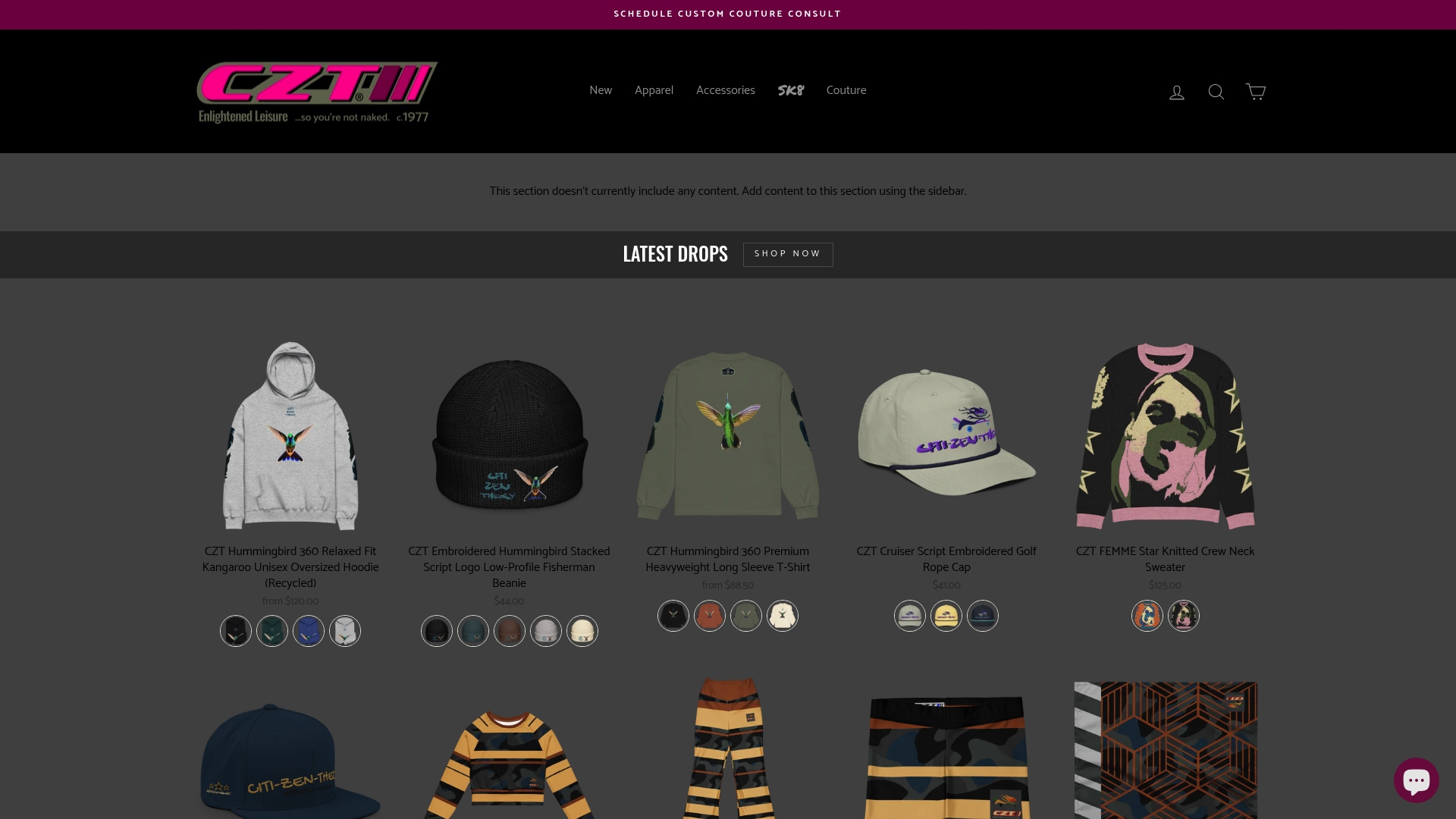
Czt builds every piece with recycled fabrics and a commitment to craft that mirrors the thrift flip ethos. The Czt Full SK8 Trick List Bandana is a sustainable streetwear accessory that pairs with any flipped piece, worn as a headband, tied to a bag, or knotted at the wrist. For those building a full eco-conscious wardrobe, Czt’s recycled fabric collections offer pieces designed to complement the one-of-a-kind character of hand-reworked thrift flips. Every purchase supports the circular fashion culture you are already building with your own hands.
FAQ
What is thrift flipping in streetwear?
Thrift flipping is the practice of buying secondhand garments and transforming them through cutting, sewing, or no-sew techniques into unique streetwear pieces. It is a form of upcycling that extends garment life and reduces textile waste.
What fabrics are easiest to thrift flip for beginners?
Cotton, denim, and linen blends are the most beginner-friendly fabrics because they hold their shape under heat, accept fabric glue reliably, and fray predictably when cut.
Do you need to sew to thrift flip clothes?
No-sew methods using hem tape and fabric glue produce clean, durable results on stable fabrics like cotton and denim. Sewing adds strength for load-bearing seams but is not required for most beginner projects.
Why does pressing matter so much in thrift flipping?
Pressing sets folds before adhesive or thread is applied, which prevents hems from curling and gives the finished piece a composed, intentional appearance. Skipping this step is the most common cause of amateurish results.
Is thrift flipping actually sustainable?
Thrift flipping extends a garment’s usable life and keeps it out of landfill, which carries genuine environmental benefit. Life-cycle assessments note that sustainability impacts vary depending on care habits and garment longevity, so maintaining and repairing flipped pieces is what makes the practice meaningfully circular.
Recommended
- How to Source Eco-Friendly Streetwear Pieces Globally – CZT [CITI-ZEN-THEORY]
- Examples of Upcycled Streetwear Designs That Inspire – CZT [CITI-ZEN-THEORY]
- Material Innovation in Streetwear: Style Meets Ethics – CZT [CITI-ZEN-THEORY]
- Hemp Fabric in Streetwear: Style Meets Sustainability – CZT [CITI-ZEN-THEORY]