![CZT [CITI-ZEN-THEORY]](http://czt.rocks/cdn/shop/files/CZT_-_Brand_PINK_Label_1_330x.png?v=1774104725)
![CZT [CITI-ZEN-THEORY]](http://czt.rocks/cdn/shop/t/61/assets/CZT-Fast-Logo---Blue-Grey_330x.png?v=98224836737033641471695502660)
![CZT [CITI-ZEN-THEORY]](http://czt.rocks/cdn/shop/files/CZT_-_Brand_PINK_Label_1_170x.png?v=1774104725)
![CZT [CITI-ZEN-THEORY]](http://czt.rocks/cdn/shop/t/61/assets/CZT-Fast-Logo---Blue-Grey_170x.png?v=98224836737033641471695502660)
Hemp Fabric in Streetwear: Style Meets Sustainability
Hemp fabric is defined as a natural textile derived from the bast fibers of Cannabis sativa, and its role in sustainable streetwear is no longer peripheral. It is central. Where cotton once dominated urban fashion, hemp now offers a measurably stronger, more breathable, and lower-impact alternative that serious streetwear designers and eco-conscious consumers are choosing with intention. Brands like Czt are building entire collections around this shift, recognizing that the culture of the street has always valued authenticity, and there is nothing more authentic than wearing something built to last. The role of hemp fabric in streetwear is both a performance story and a values story, and both deserve a close look.
What is the role of hemp fabric in streetwear?
Hemp fabric earns its place in streetwear through a combination of physical performance and cultural alignment. The street has always rewarded durability. Skaters, artists, and urban youth who move hard through their days need clothing that keeps up, and hemp delivers that without compromise.
Hemp’s tensile strength ranges 550–900 MPa, compared to cotton’s 287–597 MPa. That gap translates directly into garments that survive the grind of daily wear, repeated washes, and high-stress movement without degrading at seams or elbows. For streetwear, where a hoodie or jersey is worn hard and often, that durability is not a luxury. It is a requirement.
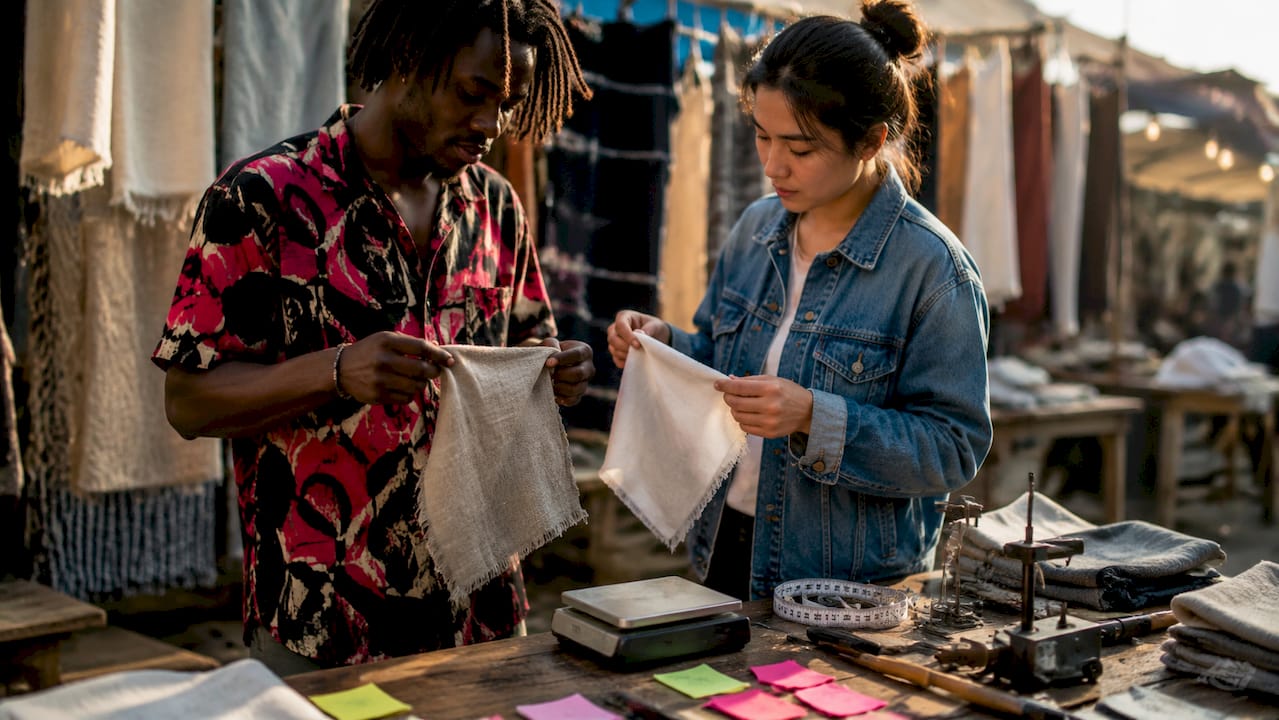
Beyond strength, hemp carries a natural antimicrobial quality that cotton simply does not replicate. Hemp garments resist odor and manage moisture, meaning you can wear a hemp piece multiple days before it needs washing. That is not just convenient. It is a genuine reduction in water and energy use over the life of the garment.
Hemp also offers natural UV protection through its dense cellulose fiber structure, which blocks both UVA and UVB radiation. For urban outdoor wear, that protection matters, especially in collections designed for skaters and street athletes who spend hours under open sky.
Key performance benefits of hemp clothing for urban style
Hemp fabric’s performance profile reads like a wishlist for streetwear design. Each property compounds the others, creating a material that outperforms conventional textiles across multiple dimensions simultaneously.
The core benefits worth understanding:
- Durability under stress: Hemp fabrics at 180 GSM outperform cotton equivalents by 40–60% in seam strength. High-stress areas like elbows, cuffs, and collar seams hold their integrity years longer than comparable cotton garments.
- Antimicrobial resistance: Hemp’s natural fiber chemistry inhibits bacterial growth, reducing odor buildup without chemical treatments. This property persists through repeated washing.
- Breathability and moisture regulation: Hemp wicks moisture away from the skin and allows airflow, keeping the wearer comfortable during physical activity. Czt’s approach to moisture-wicking performance draws directly on these properties.
- UV protection: Dense cellulose fibers block solar radiation, making hemp particularly well-suited for outdoor urban apparel.
- Blend versatility: A 55% hemp / 45% cotton blend, for example, softens the initial stiffness of pure hemp while preserving its durability and odor resistance. Blending with recycled fibers adds another layer of circular economy value.
Pro Tip: When choosing a hemp blend for streetwear, look for compositions between 50–60% hemp. Below that threshold, you lose meaningful durability gains. Above 60%, the hand feel can become too coarse for everyday comfort without specialized finishing.
The performance case for hemp in urban style is not theoretical. It is measurable, repeatable, and increasingly recognized by brands that take both craft and conscience seriously.
How does hemp compare to cotton environmentally?
Hemp’s environmental credentials are real, but they require honest framing. Blanket claims like “hemp saves the planet” are the kind of unqualified assertions that erode consumer trust and invite regulatory scrutiny. The actual picture is more nuanced and, in many ways, more compelling for its specificity.
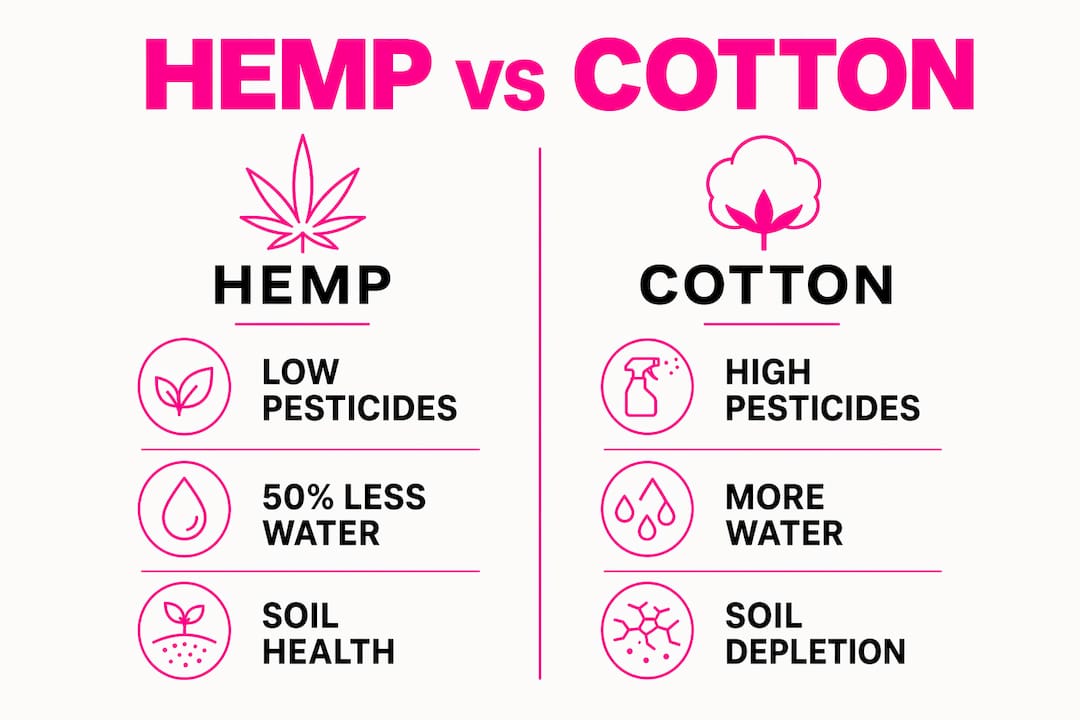
Hemp cultivation typically requires no pesticides or herbicides, a consistent advantage over conventional cotton, which accounts for a disproportionate share of global agricultural pesticide use. That pesticide-free profile is one of hemp’s most reliable environmental claims across growing regions.
Water use is more context-dependent. Hemp uses approximately 50% less water than cotton under similar conditions, but that figure shifts with local rainfall, irrigation methods, and regional climate. The advantage is real in many contexts and should be stated with those qualifications intact.
Hemp also contributes to soil health in ways cotton does not. Its root system aerates compacted soil, and the plant has demonstrated capacity for phytoremediation, drawing contaminants from degraded land. Beyond the field, industrial hemp hurds can be processed into recyclable, biodegradable fibers for packaging and textile applications, supporting circular economy goals by replacing wood-based inputs.
| Environmental Metric | Hemp | Conventional Cotton |
|---|---|---|
| Pesticide requirement | Typically none | High (significant global share) |
| Water use | ~50% less (condition-dependent) | High |
| Soil impact | Aerates and remediates | Depletes over time |
| Biodegradability | High | Moderate (varies with processing) |
| Circular fiber potential | Hemp hurds recyclable | Limited without chemical processing |
Pro Tip: When a brand makes environmental claims about hemp, ask whether those claims specify growing region and farming method. Qualified claims signal genuine knowledge. Unqualified ones signal marketing.
Greenwashing risks are high when brands overstate hemp’s benefits without context. The most credible sustainable streetwear labels, including Czt, communicate these advantages with precision rather than hyperbole.
How hemp fabric shapes sustainable streetwear design
The practical application of hemp in streetwear goes beyond raw material choice. It shapes how garments are designed, how long they last, and how consumers relate to what they wear.
Hemp-cotton blend hoodies and jerseys represent the most common entry point for hemp in urban fashion. The blend softens hemp’s natural texture while preserving its structural advantages. A well-constructed hemp-cotton hoodie can credibly carry a “10-year shirt” positioning because the fiber science supports that claim. That longevity is itself a sustainability argument: one garment worn for a decade displaces multiple shorter-lived replacements.
The antimicrobial quality of hemp also changes consumer behavior in meaningful ways. Wearing garments multiple days before washing is not a compromise in hygiene. It is a feature of the material. Fewer wash cycles mean less water, less energy, and less microfiber shedding into waterways. That behavioral shift, multiplied across thousands of wearers, represents a measurable environmental gain.
Consumer trends in 2026 reflect a growing appetite for durability and transparency in fashion. Eco-conscious buyers, skate communities, and families seeking responsible clothing options are converging on the same values: quality that lasts, sourcing that can be explained, and aesthetics that do not apologize for either. Understanding how to source eco-friendly streetwear is becoming as important to the informed buyer as understanding fit or colorway.
Hemp also fits naturally into circular fashion frameworks. Its biodegradability means end-of-life disposal carries less environmental burden than synthetic alternatives. Combined with the recyclable fiber potential of hemp hurds, the material supports a closed-loop vision that the best sustainable streetwear brands are actively building toward. Czt’s use of recycled materials in collections like Botanic Camo reflects exactly this kind of systems thinking applied to urban design.
What innovations are advancing hemp textile technology?
Material science is expanding hemp’s role well beyond traditional fiber applications, and those advances have direct implications for how streetwear is produced and how clean that production can be.
The most significant recent development involves hemp’s application in textile wastewater treatment. Hemp/polyacrylonitrile composite fiber membranes have demonstrated over 95% maximum dye adsorption under optimized conditions in peer-reviewed testing. Textile dyes are among the most persistent and difficult-to-treat industrial pollutants. A hemp-derived membrane that captures them at that efficiency rate positions hemp as a contributor to cleaner manufacturing, not just cleaner wearing.
| Innovation | Application | Environmental Impact |
|---|---|---|
| Hemp/PAN composite membranes | Textile dye adsorption in wastewater | Over 95% dye removal under optimized conditions |
| Hemp hurd pulp processing | Recyclable packaging and textile fibers | Replaces wood-based inputs, supports circularity |
| Hemp bast fiber extraction | Apparel and technical textiles | Reduces pesticide and water inputs vs. cotton |
Pilot-scale processing of hemp hurds has yielded fibers with strong surface charge and functional groups suitable for chemical modification, opening applications in both packaging and high-performance textiles. That versatility matters for streetwear supply chains because it means hemp can contribute value at multiple stages of production, not just at the garment level.
These innovations signal a trajectory. Hemp is moving from a niche sustainable material into a technically sophisticated input with measurable industrial benefits. For streetwear brands committed to premium quality and purpose, that trajectory represents both a design opportunity and a supply chain advantage worth tracking closely.
Key takeaways
Hemp fabric earns its place in sustainable streetwear through measurable durability, natural antimicrobial performance, and an environmental profile that holds up under honest scrutiny.
| Point | Details |
|---|---|
| Superior durability | Hemp’s tensile strength outperforms cotton by a significant margin, extending garment life in high-stress streetwear applications. |
| Antimicrobial performance | Hemp resists odor and manages moisture naturally, reducing wash frequency and extending the useful life of each garment. |
| Qualified environmental advantage | Hemp uses less water and no pesticides compared to cotton, but claims should specify growing conditions to remain credible. |
| Circular economy potential | Hemp hurds yield recyclable fibers, and hemp-based membranes support cleaner textile production at the industrial level. |
| Design and culture alignment | Hemp-cotton blends deliver the comfort and aesthetic range that urban streetwear demands without sacrificing performance. |
Czt’s perspective: hemp is a commitment, not a trend
We have watched hemp cycle in and out of fashion conversation for years, and what strikes us most is how often the material gets reduced to a marketing badge rather than a genuine design choice. At Czt, we think that is the wrong relationship to have with a fabric this capable.
Hemp earns respect when you understand what it actually does. The strength-to-weight ratio is not a talking point. It is the reason a well-built hemp piece survives years of skating, washing, and living in ways that a cotton equivalent simply cannot. That durability is the most honest sustainability argument hemp has, and it is the one we return to most often.
We are also direct about what hemp is not. It is not a silver bullet. Water savings depend on where and how it is grown. The hand feel requires thoughtful blending to meet the comfort standards our community expects. Sustainability communication that overpromises does more damage than silence, because it trains consumers to distrust every claim that follows.
What we believe, after years of working with recycled and natural materials, is that hemp belongs in a broader strategy rather than standing alone as a singular solution. Paired with recycled fibers, responsible sourcing, and honest storytelling, it becomes part of something that actually moves the needle. The culture we come from, the skaters, the artists, the families who want their clothing to mean something, deserves that level of honesty. We are not interested in dressing the movement in greenwash. We are interested in building pieces that last and that tell the truth about how they were made.
— Czt
Explore czt’s sustainable streetwear collection
Czt builds streetwear for people who want their clothing to carry real weight, in craft, in culture, and in conscience. Every piece in our collection reflects a commitment to materials that perform and sourcing that can be explained without apology.
The CZT Tribal Basketball Jersey Recycled is one of our strongest expressions of that commitment: a high-performance streetwear piece built from recycled textile blends, designed for the movement and aesthetic of urban sport culture. If you are building a wardrobe around materials that matter, this is where to start. Browse the full collection at Czt and find pieces that align with how you actually live.
FAQ
What makes hemp fabric stronger than cotton?
Hemp’s tensile strength ranges 550–900 MPa versus cotton’s 287–597 MPa, making hemp significantly more resistant to tearing and abrasion. That strength is especially pronounced at seams and high-stress points in garments worn during active use.
Does hemp fabric actually resist odor?
Hemp’s natural fiber chemistry inhibits bacterial growth without chemical additives, which is the primary source of odor in worn clothing. This property persists through repeated washing, making hemp a practical choice for everyday streetwear.
Is hemp clothing better for the environment than cotton?
Hemp typically requires no pesticides and uses approximately 50% less water than cotton under comparable growing conditions, though water savings vary by region and irrigation method. The pesticide advantage is more consistent and represents hemp’s most reliable environmental credential.
Can hemp fabric be recycled or composted?
Hemp bast fibers are biodegradable, and industrial hemp hurds can be processed into recyclable pulp fibers suitable for packaging and textile applications. This positions hemp as a strong fit for circular fashion strategies.
Why choose hemp streetwear over synthetic alternatives?
Hemp offers natural breathability, antimicrobial performance, and UV protection that synthetic fabrics like polyester cannot replicate without chemical treatment. It also biodegrades at end of life, reducing the long-term environmental burden that synthetic microfibers create.
Recommended
- How to Source Eco-Friendly Streetwear Pieces Globally – CZT [CITI-ZEN-THEORY]
- Recycled Fabric Clothing Explained for Eco-Conscious Style – CZT [CITI-ZEN-THEORY]
- Examples of Upcycled Streetwear Designs That Inspire – CZT [CITI-ZEN-THEORY]
- Why Sustainable Custom Fashion Matters for Real Change – CZT [CITI-ZEN-THEORY]