![CZT [CITI-ZEN-THEORY]](http://czt.rocks/cdn/shop/files/CZT_-_Brand_PINK_Label_1_330x.png?v=1774104725)
![CZT [CITI-ZEN-THEORY]](http://czt.rocks/cdn/shop/t/61/assets/CZT-Fast-Logo---Blue-Grey_330x.png?v=98224836737033641471695502660)
![CZT [CITI-ZEN-THEORY]](http://czt.rocks/cdn/shop/files/CZT_-_Brand_PINK_Label_1_170x.png?v=1774104725)
![CZT [CITI-ZEN-THEORY]](http://czt.rocks/cdn/shop/t/61/assets/CZT-Fast-Logo---Blue-Grey_170x.png?v=98224836737033641471695502660)
Layer Streetwear for Cold Weather Skating in Style
Layering streetwear for cold weather skating is the practice of combining a moisture-wicking base layer, an insulating mid-layer, and a wind-resistant outer shell to stay warm, mobile, and aesthetically sharp while skating outdoors in sub-freezing conditions. This system, refined by skate communities from San Leandro to Brooklyn, solves a problem that cotton hoodies and bulky parkas never could: keeping your body regulated without sacrificing the freedom your tricks demand. Brands like Czt have built entire collections around this exact tension, producing heavyweight hoodies and organic oversized sweatshirts that honor both the culture and the cold. What follows is the most direct path from freezing to flowing on your board.
How to layer streetwear for cold weather skating
The foundation of any cold weather skate outfit is fabric selection, and the wrong choice here undermines every other decision you make. Cotton base layers trap moisture against your skin, which accelerates heat loss the moment you stop moving. That single fact explains why so many skaters feel fine for the first twenty minutes and then dangerously cold by the end of a session.
The three-layer system for skating breaks down like this:
- Base layer: Choose synthetic blends or ThermoLycra. These fabrics retain thermal properties even when damp, pulling sweat away from your skin rather than holding it. Czt’s moisture-wicking shirts are built on this principle, and understanding what moisture-wicking means for skate gear clarifies why the technology matters at a cellular level.
- Mid-layer: A heavyweight fleece in the 350 to 400 GSM range delivers the best warmth-to-mobility ratio for active skating. This weight is substantial enough to trap body heat but not so dense that it restricts your arm swing or cramp your kickflip.
- Outer layer: Wind-resistant shells or durable flannels protect against wind chill without adding the kind of bulk that kills your pop. Avoid down-filled jackets for active skating. They compress unevenly, restrict shoulder rotation, and become useless once damp.
Sustainable fabric choices matter here beyond ethics. Recycled polyester fleece, like the materials Czt uses in its Botanic Camo collection, performs comparably to virgin synthetic fleece while reducing textile waste. The performance is real, not just a marketing claim.
Pro Tip: When shopping for mid-layers, press the fabric between your fingers. If it compresses to almost nothing and springs back slowly, it will do the same under your arms during a session. Opt for fleece that rebounds quickly, signaling better loft and warmth retention.
How to build a stylish cold weather skate outfit step by step
Constructing a winter skate outfit that works on the board and reads well on the street requires sequencing. The order matters as much as the individual pieces.
-
Start with a fitted moisture-wicking base. A performance shirt or thermal top sits directly against your skin. The 9 performance benefits of moisture-wicking skate shirts include temperature regulation, reduced chafing, and faster drying after sweat-heavy runs. Fitted is the operative word here. Loose base layers bunch under mid-layers and create pressure points.
-
Add an insulating mid-layer with skate-specific proportions. An oversized hoodie worn over a fitted base creates the silhouette that defines cold weather skate style right now. Czt’s unisex oversized hoodie exemplifies this composition: enough volume for streetwear credibility, enough structure to stay out of your way on the board. Zip-up styles offer a practical advantage, letting you vent heat quickly between runs without fully removing a layer.
-
Wrap with a wind-resistant outer shell. A flannel shirt worn open, a lightweight windbreaker, or a denim jacket with a fleece lining all serve this role. The goal is wind blockage, not additional insulation. At this point, your base and mid-layer are doing the thermal work.
-
Select footwear built for cold grip. Cold temperatures harden rubber soles, reducing traction on both the board and the pavement. Shoes with deeper tread patterns or GORE-TEX lining maintain board feel and grip on slick surfaces. Pair them with wool-blend socks that wick moisture while adding insulation around the ankle.
-
Layer your accessories with intention. A fitted beanie worn under a hood keeps your ears protected without adding bulk at the collar. Thin, touchscreen-compatible gloves preserve your ability to adjust your phone or check your session footage without removing them. Wrist guards worn under gloves add protection without visible bulk.
-
Balance oversized aesthetics with mobility. The streetwear trend of pairing oversized hoodies with fitted base layers is not accidental. It optimizes both aesthetics and performance by concentrating volume at the torso, where it reads as style, while keeping the arms and legs unencumbered for technical skating.
Pro Tip: Before your session, do a full arm circle and a deep squat while fully dressed. If any layer pulls, rides up, or restricts the motion, adjust before you hit the pavement. Cold muscles have less tolerance for awkward clothing than warm ones.
What safety and performance gear works best with layered streetwear?
Protective gear and cold weather layering are more compatible than most skaters realize. The key is wearing pads under your outer layers rather than over them.
- Knee and elbow pads worn under clothing serve a dual purpose: they warm your joints and reduce injury risk simultaneously. Cold joints are stiffer and more vulnerable to impact. Pads trap heat around the knee and elbow while providing the cushioning you need when a trick goes wrong.
- Thin insulated gloves keep your hands functional. Thick ski gloves destroy your feel for the board. Look for gloves rated to around 20°F that are thin enough to feel the grip tape through them.
- Wool or synthetic-blend socks prevent the foot dampness that leads to blisters and cold-related discomfort. Cotton socks, like cotton base layers, hold moisture and accelerate cooling.
- Dynamic warm-up routines are non-negotiable. Cold reduces muscle elasticity and reaction time, and a 5 to 10 minute warm-up before skating in cold weather is the difference between a productive session and a pulled muscle. Leg swings, arm circles, and light jogging activate the muscle groups skating demands.
- Skateboard maintenance in cold conditions is a separate discipline. Salt from treated roads corrodes bearings and trucks. Wipe down your board after every winter session and apply a light lubricant to bearings to prevent rust.
Cold weather does not forgive lazy preparation. Your gear, your warm-up, and your board maintenance are all part of the same system. Neglect any one of them and the session suffers.
How to fix the most common cold weather layering mistakes
The most common error in cold weather skate layering is not under-dressing. It is over-layering with heavy, restrictive outerwear that kills mobility before you even step on the board. Experts consistently identify bulky winter gear as the primary performance inhibitor for skaters in cold conditions. The fix is technical layers that trap heat close to the body rather than adding volume.
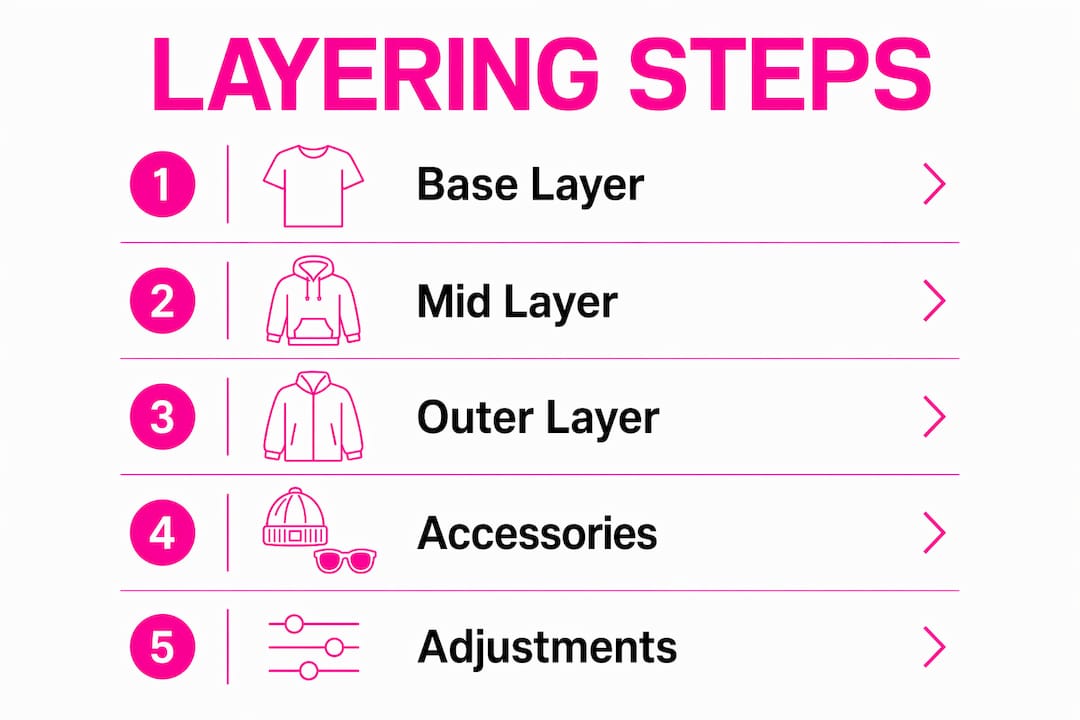
Moisture management is the second major failure point. Improper layering leads to dampness and overheating, which creates a dangerous cycle: you sweat, the moisture sits against your skin, and when you stop moving, that dampness chills you rapidly. The solution is a moisture-wicking base that moves sweat outward and a mid-layer that breathes rather than seals.
Practical adjustments during a session matter too. Unzip your mid-layer between runs to release heat. Remove your outer shell if you are skating hard enough to generate significant body heat. Putting it back on during breaks prevents the chill that sets in when you stop moving. This kind of active temperature management is what separates skaters who stay out for two hours from those who pack up after thirty minutes.
Caring for your gear after winter sessions extends the life of every piece. Wash technical fabrics according to their care labels, since high heat destroys the moisture-wicking finish on synthetic blends. Air-dry heavyweight fleece rather than machine-drying it, which compresses the loft over time. For your board, a quick bearing wipe and a light coat of speed cream after every salt-road session keeps your setup rolling smoothly through the whole winter.
Key takeaways
Effective cold weather skate layering requires a synthetic base, a 350 to 400 GSM fleece mid-layer, and a wind-resistant shell, combined with proper warm-up and gear maintenance to stay mobile, warm, and stylish through the session.
| Point | Details |
|---|---|
| Avoid cotton base layers | Cotton traps moisture and accelerates heat loss; use ThermoLycra or synthetic blends instead. |
| Mid-layer weight matters | A 350 to 400 GSM fleece delivers the best balance of warmth and skating mobility. |
| Wear pads under layers | Knee and elbow pads worn under clothing insulate joints and provide protection simultaneously. |
| Warm up before every session | Cold reduces muscle elasticity; 5 to 10 minutes of dynamic movement prevents injury. |
| Maintain your board after winter rides | Salt and moisture corrode bearings; wipe down and lubricate after every cold-weather session. |
What we have learned from skating through the cold
There is something deeply honest about skating in winter. The cold strips away the casual observers and leaves only those who genuinely love the craft, youth frolicking dangerously to the soundtrack of scraping concrete and rattling trucks, committed to the session regardless of temperature. We have watched this culture from the inside for years, and the layering conversation is one we feel passionately about because getting it wrong is not just uncomfortable. It is a creative limitation.
What we see most often is skaters choosing style over system, reaching for the heaviest hoodie they own and calling it preparation. The result is a beautiful silhouette that lasts about fifteen minutes before the sweat sets in and the tricks start suffering. The skate brands that shape streetwear culture understand that performance and aesthetics are not competing values. They are the same conversation.
At Czt, we design from the position that sustainability and function are inseparable from style. The Botanic Camo collection exists because recycled materials perform beautifully and carry a story worth wearing. When you layer a Czt heavyweight hoodie over a moisture-wicking base, you are not compromising the aesthetic for the warmth. You are expressing both at once, which is exactly what skate culture has always done at its best.
The skaters who thrive in winter are not the ones with the most gear. They are the ones who understand the system, respect the cold, and choose pieces that honor the culture they love.
— Czt
How Czt supports your cold weather skate style
Czt builds streetwear for skaters who refuse to choose between looking sharp and skating well, even when the temperature drops below freezing.

The Czt organic oversized sweatshirt collection brings together heavyweight construction, moisture-conscious fabric choices, and the kind of bold aesthetic that reads as authentically skate without trying too hard. From the embroidered camo hoodie to the SK8 zip-up, every piece is designed to function as a genuine mid-layer for cold sessions while carrying the visual weight of a statement piece. Czt uses recycled and sustainable materials throughout, so your cold weather skate style does not come at the planet’s expense. Explore the full collection and build your winter layering system from pieces that were made for exactly this.
FAQ
What is the best base layer for skating in cold weather?
A synthetic moisture-wicking fabric or ThermoLycra blend is the best base layer for cold weather skating. These materials pull sweat away from your skin and retain thermal properties even when damp, unlike cotton which traps moisture and causes rapid cooling.
How many layers do you need for cold weather skating?
Three layers cover most cold weather skating conditions: a moisture-wicking base, an insulating mid-layer like a 350 to 400 GSM fleece hoodie, and a wind-resistant outer shell. Adjust the weight of each layer based on temperature and session intensity.
Should you wear knee pads under or over your clothes when skating in winter?
Wear knee and elbow pads under your outer layers in cold weather. Pads worn under clothing trap heat around the joints while still providing impact protection, making them more effective in cold conditions than pads worn over bulky outerwear.
Why do skate shoes lose grip in cold weather?
Cold temperatures harden rubber soles, which reduces traction on both the grip tape and the pavement. Shoes with deeper tread patterns or waterproof lining like GORE-TEX maintain better board feel and grip on slick winter surfaces.
How do you avoid overheating while skating in winter layers?
Unzip your mid-layer between runs and remove your outer shell during high-intensity skating to release built-up heat. Active temperature management, adjusting your layers as your body temperature changes throughout the session, prevents the sweat accumulation that leads to rapid chilling during breaks.