![CZT [CITI-ZEN-THEORY]](http://czt.rocks/cdn/shop/files/CZT_-_Brand_PINK_Label_1_330x.png?v=1774104725)
![CZT [CITI-ZEN-THEORY]](http://czt.rocks/cdn/shop/t/61/assets/CZT-Fast-Logo---Blue-Grey_330x.png?v=98224836737033641471695502660)
![CZT [CITI-ZEN-THEORY]](http://czt.rocks/cdn/shop/files/CZT_-_Brand_PINK_Label_1_170x.png?v=1774104725)
![CZT [CITI-ZEN-THEORY]](http://czt.rocks/cdn/shop/t/61/assets/CZT-Fast-Logo---Blue-Grey_170x.png?v=98224836737033641471695502660)
Sustainable Fashion Shopping Checklist for 2026
A sustainable fashion shopping checklist is a structured tool that guides eco-conscious shoppers toward clothing choices that are genuinely ethical, environmentally sound, and built to last. The sustainable fashion movement in 2026 demands more than good intentions. Certifications like GOTS and OEKO-TEX Standard 100, material transparency, and garment construction quality are the real markers of a responsible purchase. Greenwashing is widespread, and without a clear framework, even passionate shoppers get misled. This guide gives you the specific criteria, verification steps, and material knowledge to shop with real confidence.
1. How to verify sustainability certifications when shopping
Certification verification is the first and most critical step in any ethical fashion shopping guide. Not all labels carry equal weight, and understanding the difference protects you from misleading claims.
GOTS certifies the entire organic textile production chain, covering environmental and social standards at every stage. It requires at least 70% organic fibers and audits all production steps. That scope makes it the gold standard for shoppers who want full supply chain accountability.
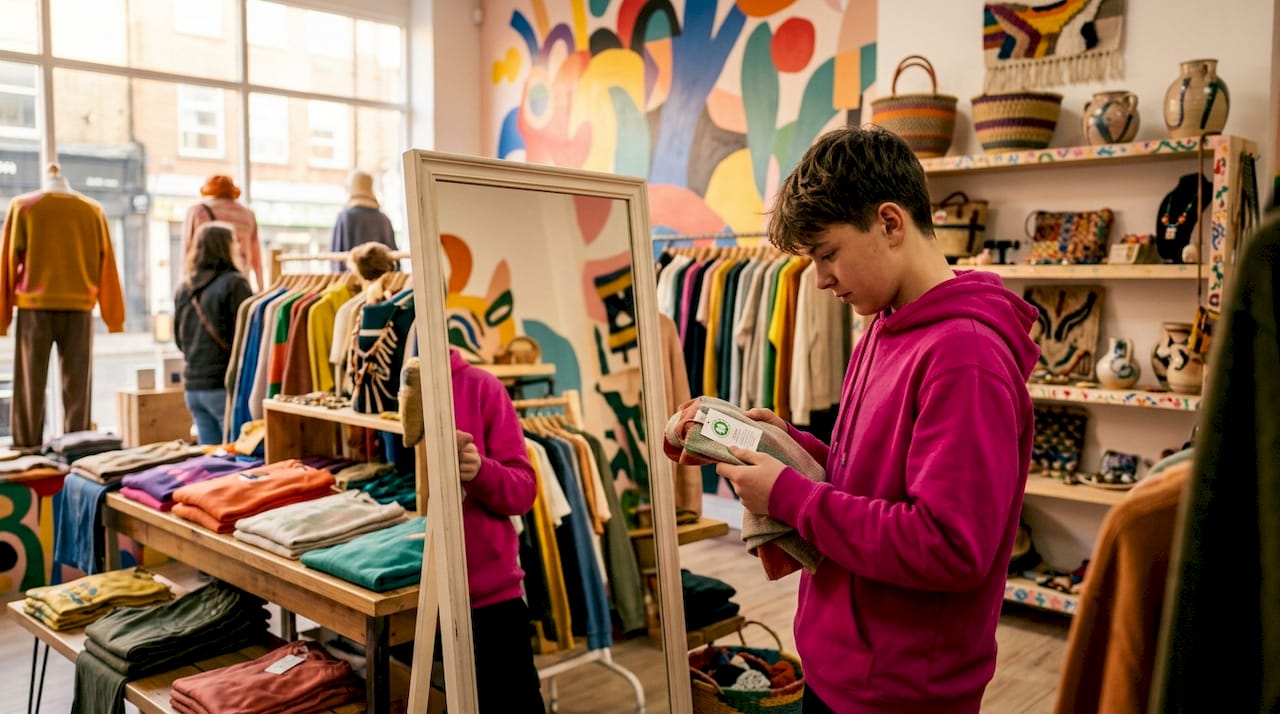
OEKO-TEX Standard 100 confirms that a finished product is free from harmful chemicals. It does not cover labor conditions or the full production process. Consumers often confuse safety certifications with sustainability certifications. Using both together yields the highest assurance of ethical and safe fashion.
Key certifications to recognize:
- GOTS (Global Organic Textile Standard): Full supply chain audit, organic fiber minimum, social criteria
- OEKO-TEX Standard 100: Chemical safety of finished products only
- Fair Trade Certified: Focuses on fair wages and labor conditions for workers
- Bluesign: Addresses resource efficiency and chemical safety in manufacturing
Fake certifications can be spotted by the absence of a license number or the inability to verify that number in an official registry. Savvy shoppers check certification numbers on databases like global-standard.org to confirm authenticity before buying.
The EU Green Claims Directive, expected by 2027, will legally prohibit environmental claims not backed by audited scientific evidence. That regulatory shift makes third-party verification even more critical right now, before enforcement closes the loopholes brands currently exploit.
Pro Tip: Screenshot the certification number on a brand’s product page, then verify it directly on the issuing body’s official registry. If the number does not appear, treat the claim as unverified.
2. Choosing sustainable materials: natural, recycled, and low-impact fibers
Material choice is the foundation of any green wardrobe checklist. The fiber a garment is made from determines its environmental footprint, biodegradability, and longevity.
Natural fibers like organic cotton, linen, hemp, bamboo, silk, and wool are preferred sustainable alternatives to synthetics. They biodegrade, require fewer chemical inputs when grown organically, and perform well over years of wear. Hemp, in particular, is a standout: it grows without pesticides, improves soil health, and produces a fiber that gets softer with each wash. Czt’s exploration of hemp in streetwear reflects exactly this kind of material appreciation.
Modal and Lyocell are low-impact man-made fibers derived from renewable wood pulp. They carry a smaller environmental footprint than conventional synthetics and offer excellent softness and breathability. These fibers represent a thoughtful middle ground for shoppers who need performance alongside responsibility.
Fibers to avoid: polyester, nylon, spandex, and acrylic. These are petroleum-based, shed microplastics with every wash, and do not biodegrade. Their low upfront cost hides a long environmental debt.
| Fiber | Environmental impact | Durability | Biodegradable |
|---|---|---|---|
| Organic cotton | Low to moderate | High | Yes |
| Hemp | Very low | Very high | Yes |
| Linen | Low | High | Yes |
| Lyocell / Modal | Low | Moderate | Yes |
| Recycled polyester | Moderate (lower than virgin) | High | No |
| Conventional polyester | High | High | No |
| Acrylic | Very high | Moderate | No |
Recycled fibers, such as recycled polyester made from post-consumer plastic bottles, reduce demand for virgin petroleum. They are not perfect, since microplastic shedding remains a concern, but they represent a meaningful improvement over virgin synthetics. Czt’s use of recycled materials in fashion demonstrates how this trade-off can be managed responsibly within a streetwear context.
3. Assessing garment construction quality for longevity
Durability is a sustainability metric. A garment that lasts five years instead of one year effectively reduces its environmental cost by 80% over that period. Construction quality is the most reliable predictor of how long a piece will hold up.
Bar-tacks at stress points and securely sewn buttons are two of the clearest signs of quality construction. Bar-tacks are the small, dense stitches you see at the corners of pockets and the base of belt loops. Their presence signals that a manufacturer invested in the details that prevent early failure.
What to check before buying:
- Pull gently at seams: they should not pucker or separate
- Check buttons: they should be sewn with a shank, not flat against the fabric
- Look at stitching density: more stitches per inch means stronger seams
- Examine pocket corners for bar-tacks or reinforced stitching
- Check zippers: YKK or equivalent quality hardware resists failure
Construction quality extends a garment’s usable life and delays replacement, which is the single most effective way to reduce the environmental impact of your wardrobe. Investing in a well-made piece at a higher price point almost always costs less per wear than replacing a cheap garment repeatedly.
Pro Tip: Learn one basic repair skill, such as reattaching a button or reinforcing a seam. A garment that would otherwise be discarded can gain years of additional life with ten minutes of attention. Czt’s perspective on why longevity defines sustainable clothing expands on this principle.
4. Smart shopping habits: researching brands and buying secondhand
A sustainable fashion certifications checklist only goes so far. The habits you build around how and where you shop complete the picture.
Brand transparency is non-negotiable. Greenwashing in fashion is common, and vague terms like “eco-friendly” or “conscious collection” carry no legal weight without supporting data. Look for brands that publish sourcing maps, third-party audit reports, and specific environmental targets with measurable progress.
Buying secondhand and supporting local artisans reduces carbon footprint and extends garment life. Secondhand shopping keeps clothing in circulation longer, which is the core principle of a circular economy. Local artisans reduce shipping emissions and often produce in smaller, more accountable batches. Czt’s guide to thrift and upcycling in streetwear captures this spirit with real style.
Practical habits to build into your shopping routine:
- Research a brand’s transparency report before purchasing
- Check for third-party certifications and verify them independently
- Shop secondhand first for basics and vintage statement pieces
- Consolidate online orders to reduce packaging and shipping emissions
- Ask yourself whether you will wear the item at least 30 times before buying
- Support local makers and independent designers when possible
- Avoid fast fashion sales events that encourage impulse buying
Consolidating shipments is an underrated step. Ordering five items in one shipment produces far fewer emissions than five separate orders. Mindful purchasing, meaning buying less but better, is the single habit that multiplies the impact of every other step on this list.
5. Evaluating brand ethics beyond the label
A brand’s ethics extend well beyond the fiber content tag. Labor conditions, factory transparency, and community impact all belong on your sustainable fashion shopping checklist.
Look for brands that name their factories and publish worker wage data. A brand willing to share that information publicly has less to hide. Brands that only offer vague statements about “ethical sourcing” without specifics are signaling that the details do not hold up to scrutiny.
Pay attention to pricing. A garment priced at $12 cannot have been made ethically. The math does not work when you account for materials, labor, shipping, and retail margin. Suspiciously low prices are a reliable indicator of hidden costs paid by workers or the environment.
Community investment matters too. Brands that give back to the communities where their garments are made, whether through fair wages, education programs, or environmental restoration, demonstrate a depth of commitment that goes beyond certification compliance. Czt’s approach to sourcing eco-friendly streetwear globally reflects this broader understanding of what ethical fashion actually requires.
Key takeaways
A sustainable fashion shopping checklist works best when it combines certification verification, material knowledge, construction assessment, and conscious buying habits into one consistent practice.
| Point | Details |
|---|---|
| Verify certifications independently | Check GOTS or OEKO-TEX license numbers on official registries before trusting any label. |
| Prioritize natural and low-impact fibers | Choose organic cotton, hemp, linen, Lyocell, or Modal over petroleum-based synthetics. |
| Inspect construction quality | Look for bar-tacks, dense stitching, and quality hardware as markers of durability. |
| Research brand transparency | Demand sourcing maps, audit reports, and specific environmental targets, not vague claims. |
| Buy secondhand and buy less | Secondhand shopping and mindful purchasing reduce environmental impact more than any single product swap. |
What sustainable shopping has taught us at Czt
We have spent years watching the fashion world perform sustainability rather than practice it. The gap between marketing language and material reality is wide, and it is widest in the places that shout the loudest about being green.
What we have learned, through the craft of building pieces from recycled materials and through the discipline of custom couture design, is that real sustainability lives in the details. It lives in the weight of a seam, the integrity of a fastener, the traceable origin of a fiber. It is not a campaign. It is a composition.
The checklist approach resonates with us because it mirrors how we think about making clothes. Every decision, from the fiber selection for our Botanic Camo collection to the construction standards we hold our production to, is a deliberate choice with a traceable consequence. We believe shoppers deserve the same clarity.
The sustainable fashion movement in 2026 is maturing past the era of feel-good labels. Consumers are asking harder questions, and the brands that cannot answer them are losing ground. That is the right direction. The checklist is not a burden. It is the vocabulary of a more honest relationship between the people who make clothes and the people who wear them.
— Czt
Czt’s resources for sustainable fashion choices
Czt brings together the craft of custom streetwear and the discipline of genuine sustainability, making it a natural home for shoppers who refuse to choose between style and ethics.
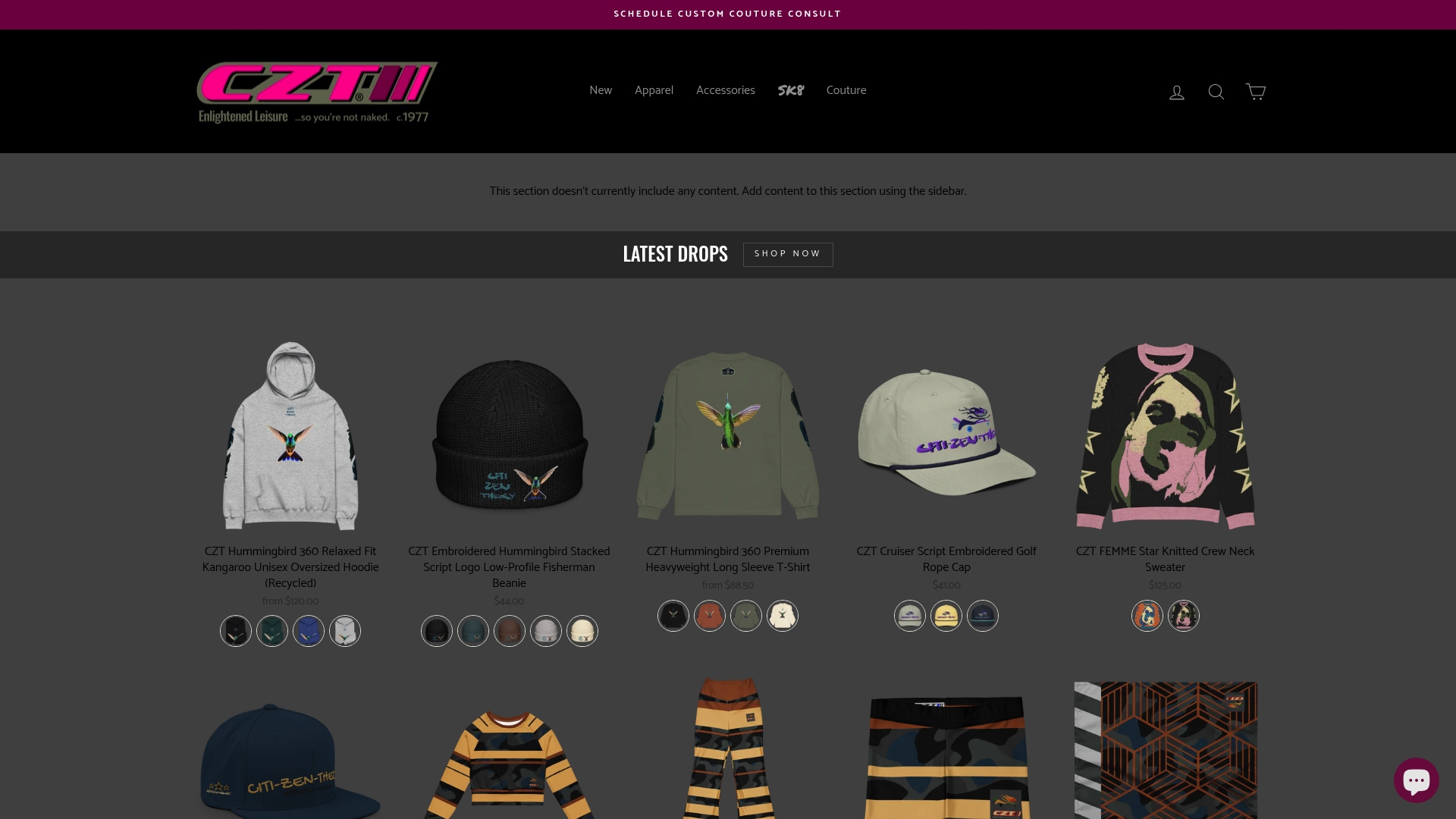
The custom sustainable fashion philosophy at Czt starts with the same principles covered in this checklist: verified materials, traceable sourcing, and construction built to last. Whether you are building a wardrobe from scratch or adding one considered piece at a time, Czt’s catalog reflects the kind of transparency and artistry that makes each purchase worth making. Explore the full range at czt.rocks and see how streetwear and sustainability can share the same thread.
FAQ
What is the most important step in a sustainable fashion shopping checklist?
Verifying certifications independently is the most critical step. Check GOTS or OEKO-TEX license numbers on official registries like global-standard.org to confirm a brand’s claims are backed by audited evidence.
What is the difference between GOTS and OEKO-TEX Standard 100?
GOTS certifies the entire production chain including social standards and requires at least 70% organic fibers. OEKO-TEX Standard 100 only confirms the finished product is free from harmful chemicals and does not cover labor conditions or production processes.
How do I spot greenwashing in fashion brands?
Look for vague terms like “eco-friendly” or “conscious” without supporting certification numbers, audit reports, or specific environmental data. Brands that cannot name their factories or provide measurable sustainability targets are likely greenwashing.
Are recycled fibers truly sustainable?
Recycled fibers like recycled polyester reduce demand for virgin petroleum and lower overall environmental impact compared to conventional synthetics. Microplastic shedding during washing remains a concern, so pairing recycled synthetics with a washing bag designed to capture microplastics is a practical step.
Why does garment construction quality matter for sustainability?
A well-constructed garment lasts significantly longer than a poorly made one, which delays replacement and reduces the total environmental cost of your wardrobe. Features like bar-tacked stress points and quality zippers are reliable indicators of a piece built to endure.
Recommended
- Why Longevity Defines Sustainable Clothing in 2026 – CZT [CITI-ZEN-THEORY]
- How to Source Eco-Friendly Streetwear Pieces Globally – CZT [CITI-ZEN-THEORY]
- Why Sustainable Custom Fashion Matters for Real Change – CZT [CITI-ZEN-THEORY]
- Why Customization Reduces Fashion Waste Effectively – CZT [CITI-ZEN-THEORY]