![CZT [CITI-ZEN-THEORY]](http://czt.rocks/cdn/shop/files/CZT_-_Brand_PINK_Label_1_330x.png?v=1774104725)
![CZT [CITI-ZEN-THEORY]](http://czt.rocks/cdn/shop/t/61/assets/CZT-Fast-Logo---Blue-Grey_330x.png?v=98224836737033641471695502660)
![CZT [CITI-ZEN-THEORY]](http://czt.rocks/cdn/shop/files/CZT_-_Brand_PINK_Label_1_170x.png?v=1774104725)
![CZT [CITI-ZEN-THEORY]](http://czt.rocks/cdn/shop/t/61/assets/CZT-Fast-Logo---Blue-Grey_170x.png?v=98224836737033641471695502660)
Regenerative Fashion Collections: 8 Inspiring Examples
Regenerative fashion is defined as clothing designed to restore ecosystems rather than merely reduce harm, making it the most consequential shift in sustainable fashion today. The best examples of regenerative fashion collections go far beyond organic certification. They rebuild soil, sequester carbon, pay fair wages, and close the nutrient cycle from farm to finished garment. Regenerative fashion achieves net positive impact through ecosystem restoration and carbon sequestration, a standard that conventional sustainability never reaches. For eco-conscious consumers and fashion enthusiasts who want their wardrobe to do real good, these collections represent the clearest path forward in 2026.
1. Examples of regenerative fashion collections: Nobody’s Child cotton line
Nobody’s Child launched its regenerative cotton collection in june 2026, and it stands as one of the most transparent regenerative clothing examples available today. The collection is priced from £45 to £120 and runs from UK size 4 to 18, making it genuinely size-inclusive. What separates it from standard eco-friendly fashion collections is the Digital Product Passport embedded in each garment. Shoppers scan a QR code and access verified data on fiber origin, farm practices, and artisan work. That level of accountability is rare and sets a benchmark for the entire industry.
- Fiber source: Regenerative cotton grown with soil-health practices
- Transparency tool: QR code linking to full supply chain provenance
- Size range: UK 4–18
- Price range: £45–£120
Pro Tip: When you scan a Digital Product Passport on a garment, look for specific farm names and GPS coordinates. Vague descriptions like “sustainably sourced” without location data are a red flag.
2. Christy Dawn’s Farm-to-Closet initiative
Christy Dawn’s Farm-to-Closet program is one of the most cited regenerative clothing examples in the industry, and for good reason. The brand restored over 200 acres of degraded farmland using no-till farming, cover cropping, and crop rotation as of march 2026. These practices rebuild soil structure, increase water retention, and draw carbon back into the ground. The result is cotton that actively improves the land it grows on, rather than depleting it.
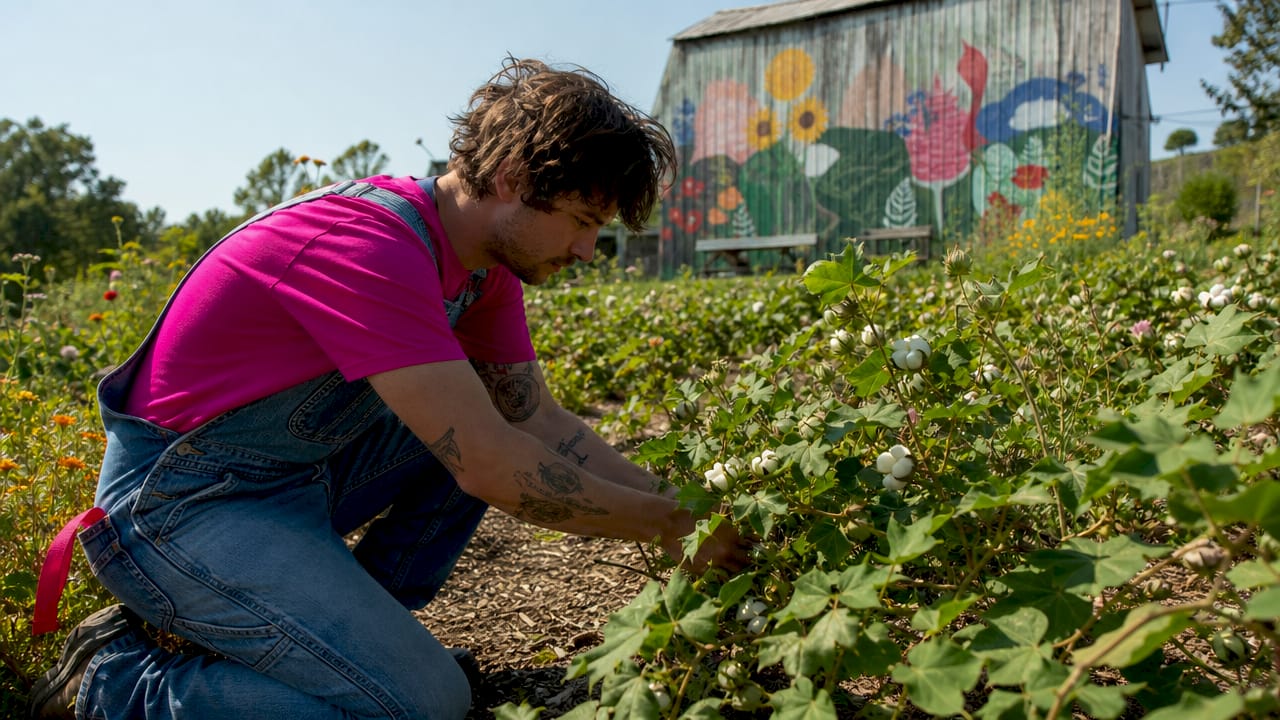
Christy Dawn goes further than most brands by investing directly in farmers through land leases, indigenous seed programs, and fair wages. This community investment model treats ecological and social restoration as inseparable goals. You cannot have one without the other. That philosophy is what distinguishes authentic regenerative fashion from brands that simply swap one input for a greener one.
3. California Cloth Foundry and botanical dye innovation
California Cloth Foundry builds its entire collection around botanical dyes and compostable fabrics, replacing petrochemical pigments with plants like marigold and indigo. The garments are designed to be composted at end of life, returning nutrients to the soil rather than ending up in landfill. This closes the nutrient cycle completely, which is the defining ambition of regenerative textile design.
The dyeing process produces natural color variations across garments. California Cloth Foundry treats these variations as a feature, not a flaw. Color variation signals a living dye process, one that uses real botanical pigments rather than synthetic chemicals. Localized supply chains support the farmers and artisans who grow and process these plants, keeping economic value close to the source.
“Natural dyes create color variation signaling natural, healthy garments.” — California Cloth Foundry
Pro Tip: If a regenerative garment looks perfectly uniform in color, ask questions. Slight variation in botanical-dyed pieces is a sign of authenticity, not poor quality.
4. Fashion Task Force luxury pilots with Brunello Cucinelli and Armani Group
The Fashion Task Force partnered with Brunello Cucinelli and the Armani Group to pilot regenerative textile projects in the Himalayas and southern Italy. The Himalayan project focuses on cashmere, working with herders to restore grassland biodiversity and measure soil carbon improvements. The Italian project centers on cotton, applying regenerative agriculture to one of Europe’s most storied textile regions.
These pilots matter because luxury fashion carries enormous supply chain influence. When a house like Brunello Cucinelli commits to measuring soil carbon and biodiversity outcomes, it creates pressure across the entire premium sector. Luxury brands implementing regenerative practices as part of climate-positive strategies signal that regeneration is moving from niche to norm.
- Himalayan project: Cashmere sourcing tied to grassland restoration and soil carbon measurement
- Italian project: Regenerative cotton farming in southern Italy with biodiversity tracking
- Cross-sector impact: Luxury brand participation accelerates industry-wide adoption
- Measurement focus: Soil health and biodiversity data used to verify regenerative claims
5. Regenerated fiber collections and the material science behind them
Regenerated fibers are distinct from recycled fibers in a way that matters deeply for quality and design. Regenerated fibers are created by dissolving feedstocks to the molecular level and reforming them, producing near-virgin quality. Recycled fibers, by contrast, are mechanically processed, which degrades fiber length and strength over time. That difference in process gives regenerated fibers far greater design flexibility and traceability compatibility.
Collections built on regenerated fibers can use agricultural waste, wood pulp, and even algae as feedstocks. Bio-based fibers from banana stems, pineapple leaf (Piñatex), and algae-based yarns are appearing in collections that prioritize both performance and ecological impact. You can read more about how these recycled and regenerated fibers work in practice across eco-conscious fashion lines. The scalability of regenerated fibers positions them as a cornerstone material for the next generation of regenerative collections.
- Banana fiber: Sourced from agricultural waste stems, biodegradable and strong
- Piñatex: Derived from pineapple leaf fiber, a byproduct of fruit harvesting
- Algae-based yarn: Grown in water without pesticides, sequesters carbon during cultivation
- Wood pulp regenerated fiber: Dissolves sustainably harvested pulp into high-quality textile fiber
- Regenerated cashmere: Molecular reformation of cashmere waste into near-virgin softness
6. Compostable garment design as a regenerative collection feature
Compostable garment design is one of the most underappreciated features in regenerative fashion. A garment that returns to the soil at end of life completes the regenerative cycle. It feeds the same ecosystem that produced its fibers. California Cloth Foundry’s approach to backyard compostability demonstrates that this is achievable at a production scale, not just in a laboratory.
The design challenge is significant. Every component, including thread, buttons, and labels, must be free of synthetic materials. Brands that achieve true compostability often use wooden or shell buttons, natural beeswax coatings, and plant-based inks on labels. Understanding longevity and lifecycle design is equally important, because a compostable garment that lasts 20 years does more good than one composted after two seasons.
7. Digital Product Passports and supply chain transparency
Digital Product Passports are transforming how you verify regenerative claims on a garment. These passports link verified supply chain data directly to consumers through QR codes, documenting fiber origin, farm practices, and artisan contributions. Nobody’s Child uses this technology across its regenerative cotton line, and the Fashion Task Force has piloted similar systems in its Buckingham Palace-presented projects.
| Feature | What it documents | Consumer benefit |
|---|---|---|
| Fiber origin | Farm name, location, and growing method | Verify regenerative agriculture claims |
| Farm practices | No-till, cover cropping, biodiversity data | Confirm soil health commitments |
| Artisan work | Who made the garment and where | Support fair labor accountability |
| Carbon data | Estimated sequestration per garment | Understand climate impact |
Pro Tip: Before buying a garment marketed as regenerative, scan its QR code or look for a Digital Product Passport. If the brand cannot show you farm-level data, the regenerative claim is unverified.
8. Czt’s Botanic Camo collection and regenerative streetwear values
Czt’s Botanic Camo collection applies regenerative values to streetwear, a category that rarely enters this conversation. The collection uses recycled materials to minimize waste, reflecting the same closed-loop thinking that defines the best regenerative fashion lines. Czt’s custom couture design services extend this philosophy further, allowing you to personalize pieces rather than buying disposable trend items. That personalization reduces overconsumption at the individual level. The brand’s commitment to inclusivity and ethical sourcing mirrors the community investment principles that Christy Dawn and California Cloth Foundry have built into their supply chains.
Key takeaways
Regenerative fashion collections are defined by their commitment to net positive ecological impact, verified through transparent supply chains, regenerative agriculture, and materials designed to restore rather than deplete.
| Point | Details |
|---|---|
| Regeneration goes beyond sustainability | Regenerative collections restore ecosystems and sequester carbon, not just reduce harm. |
| Digital Product Passports verify claims | QR code-enabled passports document farm origin, practices, and artisan work for accountability. |
| Compostable design closes the cycle | Garments designed to biodegrade return nutrients to the soil that grew their fibers. |
| Regenerated fibers outperform recycled | Molecular dissolution produces near-virgin quality fibers with greater design flexibility. |
| Community investment is non-negotiable | Fair wages, indigenous seeds, and land stewardship are central to authentic regenerative brands. |
Why regenerative fashion is the most honest conversation we can have right now
We have watched the word “sustainable” get stretched so thin it barely holds meaning anymore. Brands slap it on polyester blends and call it progress. Regenerative fashion demands something harder: proof. Proof in the soil carbon data. Proof in the farmer’s wage. Proof in the QR code that shows you exactly which field grew your shirt.
What strikes me most about the collections profiled here is that they treat the garment as the end of a long ecological story, not the beginning of a transaction. Christy Dawn’s farmers are partners. California Cloth Foundry’s marigolds are stakeholders. Nobody’s Child’s Digital Product Passport is a receipt for a relationship, not just a purchase.
The shift from sustainability to regeneration is not a marketing upgrade. It is a philosophical one. Sustainability asks, “How do we do less damage?” Regeneration asks, “How do we leave things better than we found them?” That second question is harder, more expensive, and far more worth asking. By 2026, the brands that cannot answer it with data will find that eco-conscious consumers are no longer satisfied with good intentions.
For those of us who came up through streetwear culture, where authenticity was everything and posturing was called out immediately, regenerative fashion feels familiar. It is the same demand for realness, applied to supply chains.
— Czt
Czt and the spirit of regenerative fashion
Czt was built on the belief that style and responsibility are not opposites. They are the same conversation, spoken in different registers.
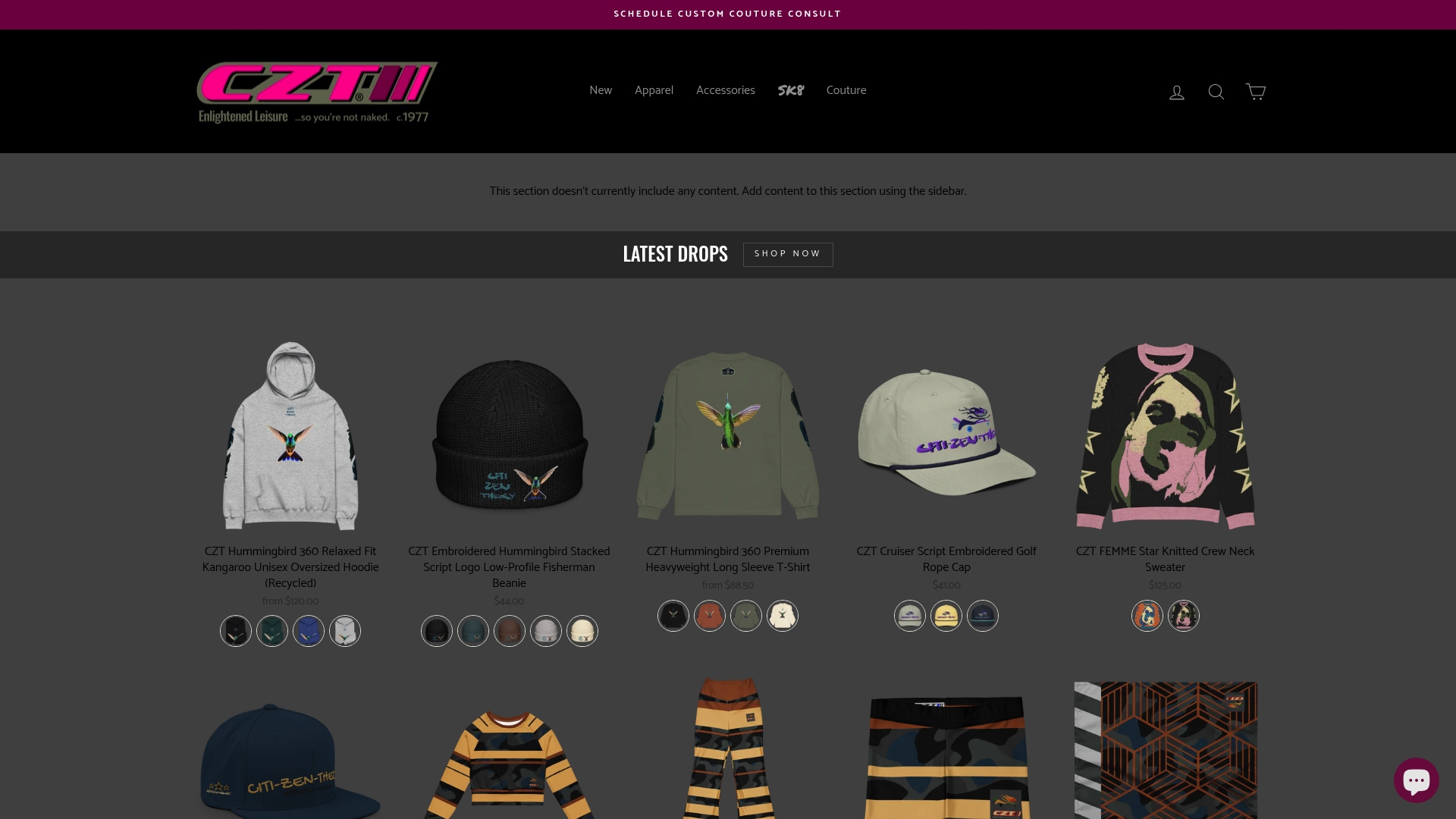
The Botanic Camo collection channels the same closed-loop thinking that drives the best regenerative collections worldwide. Recycled materials, artful composition, and custom couture design services give you clothing that means something beyond its aesthetic. Whether you are a skateboarder, a parent dressing your family with intention, or a fashion enthusiast who refuses to separate beauty from ethics, Czt offers a place where those values meet. Visit Czt’s full collection to find pieces that reflect your commitment to a fashion culture worth preserving.
FAQ
What is regenerative fashion, explained simply?
Regenerative fashion is clothing designed to restore ecosystems rather than just reduce harm. It uses regenerative agriculture, botanical dyes, and transparent supply chains to achieve a net positive environmental impact.
How is regenerative textile different from organic textile?
Organic textiles avoid synthetic pesticides, while regenerative textiles go further by actively rebuilding soil health, sequestering carbon, and restoring biodiversity through farming practices like no-till and cover cropping.
What are the best regenerative fashion lines to look for in 2026?
Nobody’s Child, Christy Dawn, and California Cloth Foundry are among the strongest regenerative fashion lines, each verified through Digital Product Passports, farm restoration data, or compostable design standards.
How do Digital Product Passports work in regenerative collections?
A Digital Product Passport is a QR code linked to verified supply chain data. It documents fiber origin, farm practices, and artisan work, giving you direct proof of a garment’s regenerative credentials.
Can streetwear brands participate in regenerative fashion?
Streetwear brands can and do participate by using recycled and regenerated materials, reducing waste through custom design, and building supply chains that prioritize ethical sourcing, as Czt demonstrates with its Botanic Camo collection.
Recommended
- Nature-Inspired Fashion Patterns: 8 Stunning Examples – CZT [CITI-ZEN-THEORY]
- Recycled Materials in Fashion: Benefits and Impact – CZT [CITI-ZEN-THEORY]
- Examples of Upcycled Streetwear Designs That Inspire – CZT [CITI-ZEN-THEORY]
- Why Sustainable Custom Fashion Matters for Real Change – CZT [CITI-ZEN-THEORY]