![CZT [CITI-ZEN-THEORY]](http://czt.rocks/cdn/shop/files/CZT_-_Brand_PINK_Label_1_330x.png?v=1774104725)
![CZT [CITI-ZEN-THEORY]](http://czt.rocks/cdn/shop/t/61/assets/CZT-Fast-Logo---Blue-Grey_330x.png?v=98224836737033641471695502660)
![CZT [CITI-ZEN-THEORY]](http://czt.rocks/cdn/shop/files/CZT_-_Brand_PINK_Label_1_170x.png?v=1774104725)
![CZT [CITI-ZEN-THEORY]](http://czt.rocks/cdn/shop/t/61/assets/CZT-Fast-Logo---Blue-Grey_170x.png?v=98224836737033641471695502660)
How Upcycled Clothing Works: A Complete 2026 Guide
Upcycled clothing is defined as the practice of redesigning and reconstructing old or discarded garments into new, higher-value pieces without breaking the fabric down into raw materials. Understanding how upcycled clothing works means recognizing that it preserves the structural integrity of existing textiles, which separates it from industrial recycling entirely. The fashion industry generates staggering textile waste, and upcycling stands as one of the most creative and resource-conscious responses to that crisis. At Czt, this philosophy sits at the core of everything we make, from our Botanic Camo collection to our custom couture design services.
How does the upcycled fashion process work?
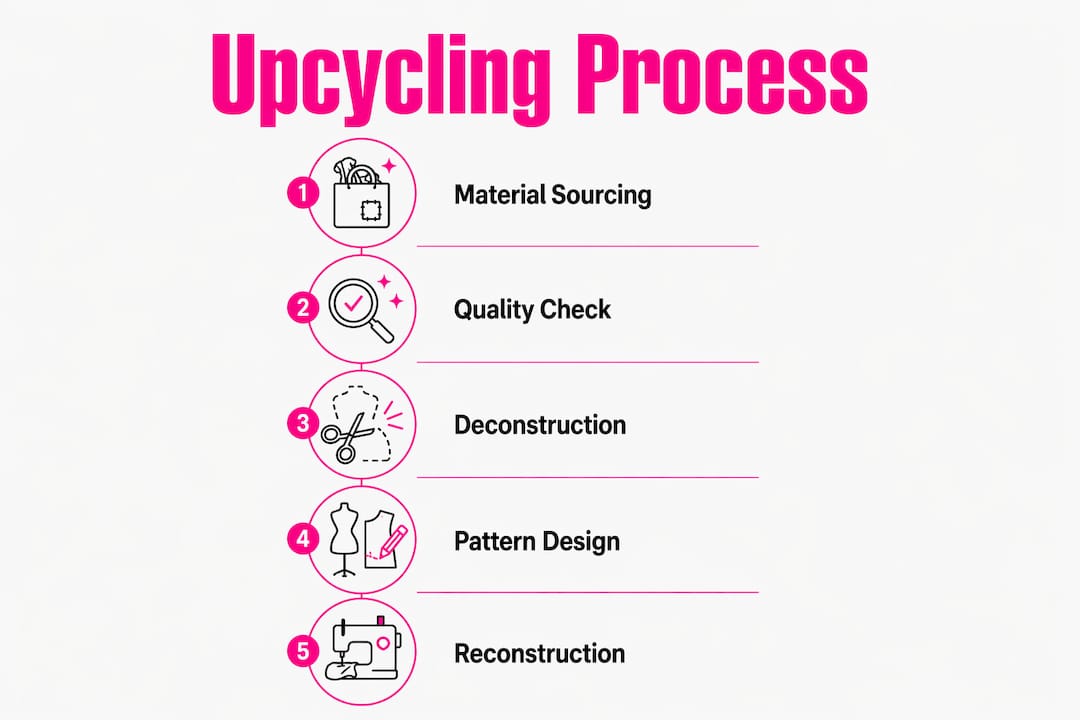
The upcycled fashion process follows five defined phases: material sourcing, quality assessment, deconstruction, pattern design, and reconstruction. Each phase demands a distinct skill set, and skipping any one of them produces inferior results.
Phase 1: Material sourcing
Sourcing is where the creative vision begins. Skilled practitioners draw from factory offcuts, deadstock fabric, and post-consumer garments collected from thrift stores, donation centers, or direct community exchanges. The quality of the source material determines every decision that follows. Eco-friendly sourcing is not just an ethical choice. It is a practical one, because better raw material produces a more durable finished garment.
Phase 2: Quality assessment
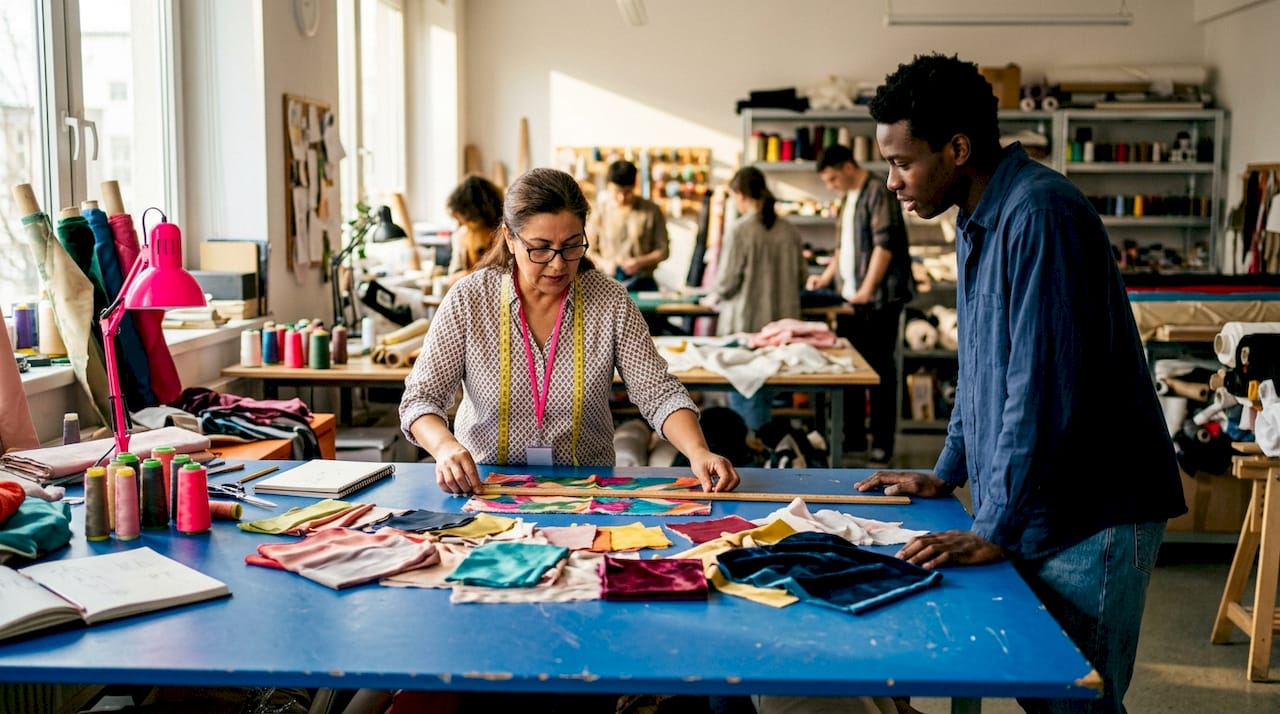
Every piece of fabric undergoes a rigorous inspection before any cutting begins. Practitioners check for structural damage, staining, fiber fatigue, and suitability for specific garment types. A tension test reveals fiber fatigue quickly. Pull the fabric and release it. If it returns to its original shape, it is structurally sound. If it distorts and stays misshapen, it will not hold up in a finished garment.
Phase 3: Deconstruction
Deconstruction is the phase most beginners underestimate. Rushing deconstruction causes poor quality and wasted material. Careful, methodical harvesting of usable fabric parts is what separates a durable upcycled garment from a craft project. Seams are opened, linings are removed, and usable panels are cataloged by size, weight, and texture.
Phase 4: Pattern design
Pattern design in upcycling requires working within the constraints of what the fabric offers, not what a designer might ideally want. This constraint-based creativity is, paradoxically, one of upcycling’s greatest strengths. Designers treat defects as defining features rather than flaws, producing pieces that are genuinely one of a kind.
Phase 5: Reconstruction and finishing
Reconstruction demands expert construction skills to produce a garment with clean seams, proper fit, and lasting durability. Finishing details, including topstitching, edge binding, and hardware, determine whether the piece reads as artisan fashion or amateur patchwork.
Pro Tip: Label each deconstructed panel with its fabric type, source garment, and any behavioral quirks like stretch bias or color bleed tendency. This material log pays dividends during reconstruction and care.
How does upcycling differ from recycling and downcycling?
Confusing upcycling with recycling is one of the most common misunderstandings in sustainable fashion. Upcycling maintains fabric integrity and adds design value, while recycling is an industrial process that shreds or chemically dissolves textiles into raw fibers for new yarn production. Downcycling converts worn clothing into lower-value products like industrial rags or insulation fill. Understanding these distinctions matters because it shapes how you value the labor and creativity embedded in a truly upcycled piece.
| Method | Fabric fate | Value outcome |
|---|---|---|
| Upcycling | Fabric integrity preserved | Higher design and market value |
| Recycling | Broken down into fibers | New raw material, lower value per unit |
| Downcycling | Converted to lower-use product | Reduced value, limited reuse potential |
The table above clarifies why upcycling carries greater sustainability potential when executed well. Recycling still consumes significant energy and water in the fiber breakdown process. Upcycling bypasses that industrial step entirely, which means the environmental savings begin immediately. For a deeper look at how recycled materials in fashion compare across methods, the distinctions become even more meaningful at scale.
What are the environmental and social benefits of upcycling clothing?
The environmental case for upcycling is grounded in hard numbers. Global textile waste equals roughly one garbage truck’s worth of discarded clothing every single second. That figure represents an enormous, ongoing drain on landfill capacity, water systems, and carbon budgets worldwide.
Life cycle assessments confirm the impact of choosing upcycled over new. Upcycled products reduce environmental impacts by an average of 87% compared to brand-new equivalents, with water use and emissions cut significantly. That is not a marginal improvement. It is a structural shift in how fashion consumes planetary resources.
The benefits of upcycling clothing extend beyond carbon math:
- Extended garment lifespan. Each upcycled piece keeps fabric out of landfill for additional years, compounding its environmental value.
- Reduced water consumption. New textile production is water-intensive. Upcycling bypasses dyeing, spinning, and weaving processes that consume thousands of liters per garment.
- Lower carbon footprint. Skipping industrial fiber processing and new material manufacturing cuts emissions at the source.
- Circular economy alignment. Upcycling directly supports UN Sustainable Development Goal 12, which targets responsible consumption and production.
- Community and social value. Local upcycling initiatives create skilled craft employment and build community identity around shared material culture.
One nuance worth noting: electricity and transport remain key contributors to upcycling’s environmental footprint. The energy source powering a workshop affects the net benefit. Renewable energy amplifies the gains. This is why durability matters as much as the process itself. A well-made upcycled garment worn for years outperforms a poorly made one discarded after a season.
What materials and garments work best for upcycling?
Not every fabric is worth upcycling. High-quality, dense textiles with preserved structural integrity perform best and reward the labor invested in them. Natural fibers like heavyweight denim, pure wool suiting, natural linen, and full-grain leather are the gold standard for upcycling projects.
The best candidates share several characteristics:
- Heavyweight denim. Dense weave, strong fiber structure, and wide availability make it ideal for bags, jackets, and structured trousers.
- Pure wool suiting. Retains shape, resists fraying, and responds beautifully to tailoring techniques.
- Natural linen. Breathable, durable, and ages with character rather than degrading.
- Full-grain leather. Patinas over time and holds stitching exceptionally well.
Fabrics to avoid include cheap polyester-elastane blends, sheer synthetics, and heavily pilled knits. These materials degrade quickly under the stress of deconstruction and reconstruction, and the finished garment will not hold its form.
Pro Tip: Before committing to a fabric, perform the tension test. Pull a small section firmly and release it. Fabric that springs back cleanly is structurally sound. Fabric that stays distorted will cause problems in every phase that follows.
How to care for upcycled clothing pieces
Caring for upcycled garments requires more attention than caring for mass-produced clothing, because each piece is composed of fabrics with individual histories and behaviors. The first rule is pre-washing all source fabrics before construction begins. This prevents unexpected shrinkage or distortion after the garment is finished. Skipping this step is the most common beginner mistake, and it ruins otherwise excellent work.
Once a garment is complete, these care practices extend its life significantly:
- Hand wash or use a delicate machine cycle. Aggressive agitation breaks down seams and stresses fabric at stress points.
- Dry flat for knits. Hanging knit upcycled pieces causes stretching and distortion at the shoulders.
- Shade dry for colored fabrics. Direct sunlight fades dyes, particularly on natural fibers and vintage textiles.
- Avoid high heat in drying and ironing. Heat accelerates fiber breakdown, especially in older fabrics already carrying years of wear.
- Inspect seams regularly. Upcycled garments often combine fabrics with different weights and stretch ratios. Seams at these junctions need periodic reinforcement.
- Keep a material log. Documenting fabric sources and behavioral quirks, like a panel that bleeds color in warm water, prevents care mistakes that shorten garment life.
Proper storage matters as much as washing. Fold heavy pieces rather than hanging them to prevent shoulder distortion. Store leather and wool away from direct light and humidity. A garment that survives its first year of proper care will likely last a decade.
Key Takeaways
Upcycled clothing works by preserving fabric integrity through skilled deconstruction, pattern design, and reconstruction, reducing environmental impact by an average of 87% compared to new production.
| Point | Details |
|---|---|
| Five-phase process | Sourcing, assessment, deconstruction, design, and reconstruction define professional upcycling. |
| Upcycling vs. recycling | Upcycling preserves fabric; recycling breaks it down into fibers, consuming more energy. |
| Environmental impact | Upcycled products reduce environmental impacts by an average of 87% versus new equivalents. |
| Best materials | Heavyweight denim, pure wool, natural linen, and leather deliver the most durable results. |
| Care and longevity | Pre-wash fabrics, use delicate cycles, and keep a material log to maximize garment lifespan. |
Upcycling as creative discipline: what practice has taught us
There is a particular kind of discipline that upcycling demands, one that no amount of formal design training fully prepares you for. You arrive at a pile of deconstructed fabric, each panel carrying its own history, its own grain, its own memory of how it was worn, and you are asked to compose something new from that inheritance. The constraint is not a limitation. It is the entire point.
What we have learned at Czt, through years of working with recycled and upcycled materials in collections like the Botanic Camo line, is that the most compelling pieces emerge when you stop fighting the material and start listening to it. A stress mark in a denim panel becomes a design detail. An asymmetric remnant becomes the defining line of a jacket. This is constraint-based creativity in its most honest form.
The uncomfortable truth about upcycling is that it is slow. Patience in the deconstruction phase, the kind of patience that means opening every seam by hand rather than cutting through it, is what separates a garment that lasts from one that falls apart at the first wash. We have seen too many well-intentioned projects fail because someone rushed that phase. The creative design approaches that produce genuinely lasting work are rooted in respect for the material, not speed of production.
Upcycling also has real limits. Not every fabric can be saved. Not every garment is worth the labor. Part of developing skill in this practice is learning to say no to materials that will not hold up, and to recognize that a well-chosen source garment is already half the work done. The pieces that endure are the ones built on honest assessment from the very beginning.
— Czt
Czt’s approach to sustainable streetwear
Czt builds its collections around the same principles this article describes: honest material selection, skilled construction, and a commitment to reducing fashion’s environmental footprint without sacrificing style or cultural authenticity.
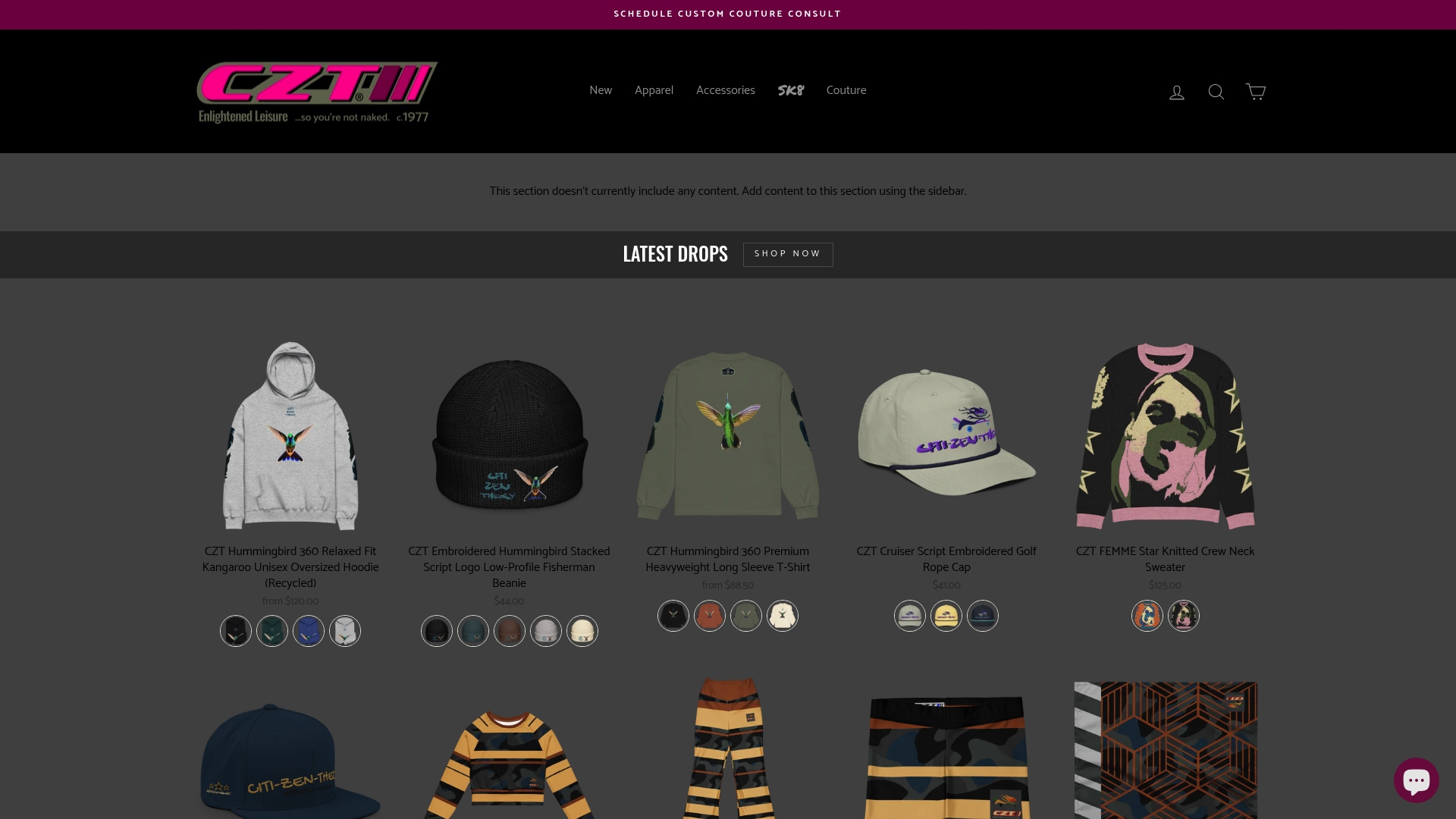
The Botanic Camo collection uses recycled materials chosen for structural integrity and aesthetic depth, not just sustainability credentials. For those who want to go further, Czt’s custom couture design service lets you personalize your entire fashion experience, from fabric selection to finished silhouette. Whether you are building a wardrobe around sustainable fashion principles or looking for pieces that carry genuine craft value, Czt offers a starting point worth exploring. Visit czt.rocks to see current collections and learn more about the custom design process.
FAQ
What is upcycled clothing?
Upcycled clothing is the practice of transforming old or discarded garments into new, higher-value pieces while preserving the fabric’s structural integrity, unlike recycling, which breaks textiles into raw fibers.
How does upcycling differ from clothing recycling?
Upcycling maintains fabric integrity and adds design value through skilled reconstruction. Recycling is an industrial process that shreds or dissolves textiles into fibers for new yarn production, consuming significantly more energy.
What fabrics work best for upcycling clothes?
Heavyweight denim, pure wool suiting, natural linen, and full-grain leather perform best. These dense, high-quality textiles hold up through deconstruction and reconstruction and produce durable finished garments.
How do you care for upcycled clothing pieces?
Hand wash or use a delicate machine cycle, dry flat or in shade, avoid high heat, and inspect seams regularly. Pre-washing source fabrics before construction prevents shrinkage and distortion in the finished piece.
How much does upcycling reduce environmental impact?
Life cycle assessments show upcycled products reduce environmental impacts by an average of 87% compared to new equivalents, with water use and carbon emissions cut significantly across the production process.
Recommended
- Examples of Upcycled Streetwear Designs That Inspire – CZT [CITI-ZEN-THEORY]
- Recycled Material Clothing Care Tips That Last – CZT [CITI-ZEN-THEORY]
- Recycled Fabric Clothing Explained for Eco-Conscious Style – CZT [CITI-ZEN-THEORY]
- Recycled Materials in Fashion: Benefits and Impact – CZT [CITI-ZEN-THEORY]