![CZT [CITI-ZEN-THEORY]](http://czt.rocks/cdn/shop/files/CZT_-_Brand_PINK_Label_1_330x.png?v=1774104725)
![CZT [CITI-ZEN-THEORY]](http://czt.rocks/cdn/shop/t/61/assets/CZT-Fast-Logo---Blue-Grey_330x.png?v=98224836737033641471695502660)
![CZT [CITI-ZEN-THEORY]](http://czt.rocks/cdn/shop/files/CZT_-_Brand_PINK_Label_1_170x.png?v=1774104725)
![CZT [CITI-ZEN-THEORY]](http://czt.rocks/cdn/shop/t/61/assets/CZT-Fast-Logo---Blue-Grey_170x.png?v=98224836737033641471695502660)
Natural Fibers and Their Role in Sustainable Fashion
Natural fibers are defined as plant or animal-derived textile materials that biodegrade, renew, and reduce environmental harm compared to synthetic alternatives. The role of natural fibers in sustainable fashion is foundational: they offer a credible path away from petroleum-based textiles that shed microplastics and persist in landfills for centuries. Certifications like the Global Organic Textile Standard (GOTS) and innovations like cottonization are reshaping how the industry sources, processes, and designs with these materials. Yet the story is more layered than a simple “natural equals good” equation. Understanding the full picture, from soil to seam, is what separates genuine eco-conscious fashion from green marketing noise.
What is the role of natural fibers in sustainable fashion?
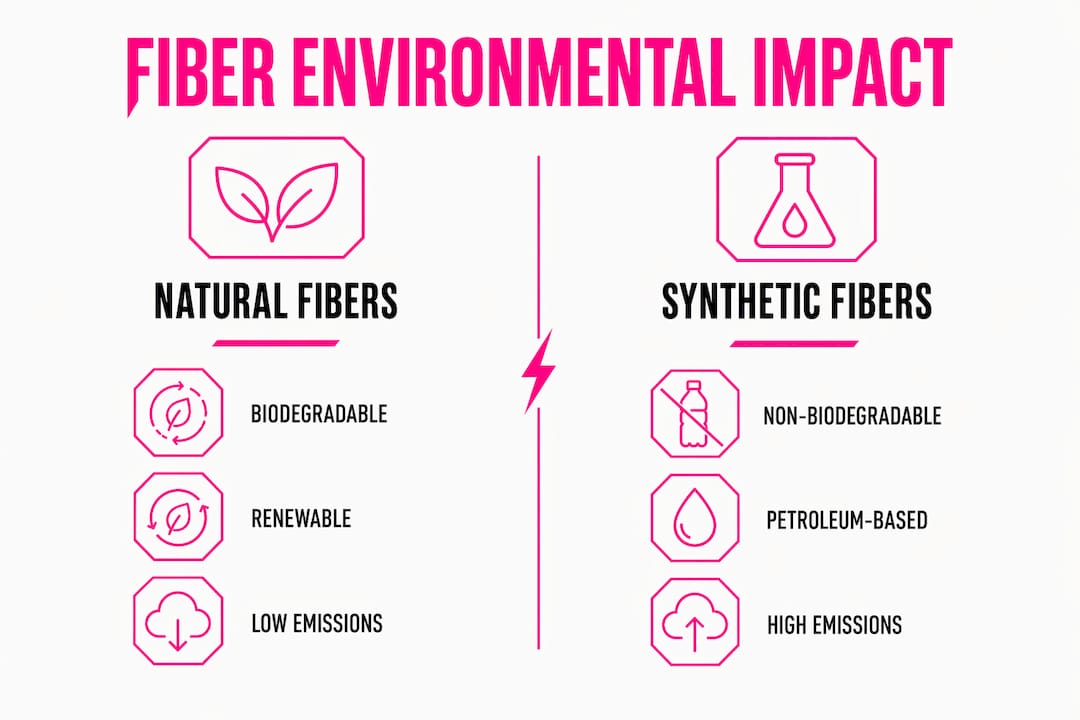
Natural fibers are the backbone of any serious sustainability strategy in fashion. Two-thirds of clothing in the USA is made from synthetic fibers, and that dominance drives significant microplastic pollution. Every wash cycle releases synthetic microparticles into waterways, a problem that plant-based and animal-derived fibers simply do not create at the same scale.
The environmental case for natural textiles rests on three pillars: renewability, biodegradability, and reduced chemical dependency. Cotton, hemp, linen, and wool grow in cycles. They return to the earth at end of life when processed without toxic finishes. They also support agricultural ecosystems when farmed organically. That combination makes them the most credible foundation for sustainable clothing options available today.
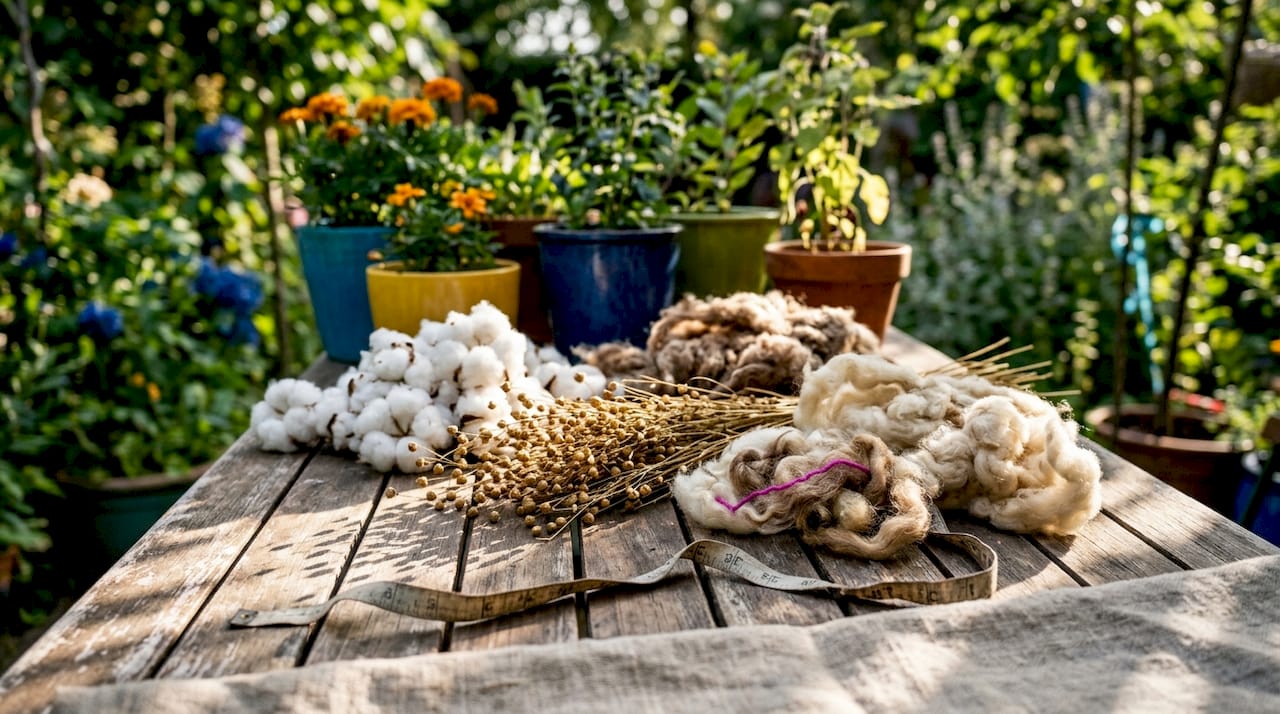
GOTS certification is the gold standard for verifying these claims. It audits the entire supply chain, from fiber farming through dyeing and finishing, to confirm that water use, chemical inputs, and labor conditions meet defined thresholds. Without a certification like GOTS, “natural” on a label tells you very little about actual environmental impact.
What are the environmental benefits of natural fibers versus synthetics?
The resource savings from switching to organic natural fibers are concrete and measurable. Organic cotton requires 91% less water than conventional cotton. That figure represents a dramatic reduction in agricultural water stress, particularly in regions where cotton farming has historically depleted rivers and aquifers.
Sorona fiber, a bio-based material derived from corn glucose, generates 63% fewer greenhouse gas emissions and needs 30% less energy than traditional nylon. That comparison shows how bio-based alternatives can outperform petroleum synthetics even on a lifecycle basis. The gap between natural and synthetic fibers widens further when you factor in end-of-life: only about 12% of fiber materials are recycled annually, meaning most synthetic garments end up in landfills where they do not break down.
| Metric | Natural fibers | Synthetic fibers |
|---|---|---|
| Biodegradability | Yes, when untreated | No |
| Microplastic release | Minimal | High during washing |
| Water use (organic) | Significantly lower | Moderate to high |
| Greenhouse gas emissions | Lower with organic farming | Higher, petroleum-based |
| Recyclability | Limited but improving | About 12% recycled annually |
Chemical use in farming and processing matters as much as fiber origin. Conventional cotton uses heavy pesticide loads that damage soil and waterways. Organic farming under GOTS standards eliminates most of those inputs. The impact of sustainable fabrics on overall environmental footprint depends as much on how a fiber is grown and finished as on what it is made from.
Pro Tip: When shopping for natural fiber garments, look for GOTS or OEKO-TEX Standard 100 certification on the label. These marks confirm that both the fiber and the finishing process meet verified environmental and safety standards.
How do natural fibers perform in apparel compared to synthetics?
Natural fibers excel at comfort in ways synthetics cannot fully replicate. Natural fibers excel in breathability and moisture absorption, making them the preferred choice for garments worn close to the skin. Cotton wicks moisture away from the body. Wool regulates temperature across a wide range of conditions. Linen stays cool in heat. These properties come from the fiber’s cellular structure, not from chemical treatment.
The trade-offs are real, though. Natural fibers generally lack the elasticity and crease resistance of synthetics. A linen shirt wrinkles. A cotton jersey stretches out over time. These are not flaws so much as characteristics that require a different relationship with your wardrobe. Garment longevity, not disposability, is the correct frame for evaluating natural fiber apparel.
Cottonization addresses one of the biggest barriers to wider natural fiber use. This mechanical process softens bast fibers like hemp and flax, making them softer and more workable without compromising biodegradability. Brands using cottonized hemp can offer the durability and sustainability of hemp with the hand-feel of cotton. That is a meaningful advance for hemp fabric in streetwear and performance apparel alike.
Best-use garment types for natural fibers versus synthetics:
- Cotton and linen: T-shirts, casual shirts, summer dresses, underwear, bedding
- Wool and cashmere: Sweaters, outerwear, socks, cold-weather layering
- Hemp (cottonized): Denim alternatives, streetwear, workwear, bags
- Silk: Formal wear, scarves, lightweight blouses
- Synthetics still preferred for: High-stretch activewear, waterproof outerwear, technical performance gear
Pro Tip: Wash natural fiber garments in cold water on a gentle cycle and air dry when possible. Heat is the primary cause of shrinkage and fiber breakdown. Proper care can double the lifespan of a cotton or linen piece.
What are common misconceptions about natural fibers and sustainability?
“Natural” does not automatically mean sustainable. Chemical finishes such as PFAS can undermine the health and sustainability benefits of natural fibers entirely. A cotton shirt treated with a water-repellent PFAS coating is no longer biodegradable in any meaningful sense. The fiber origin becomes irrelevant when the finishing process introduces persistent toxic chemicals.
Blends create a similar problem. A fabric that is 60% cotton and 40% polyester cannot biodegrade cleanly. The synthetic component remains in the environment long after the cotton has broken down. Biodegradability is compromised when natural fibers are blended with synthetics or treated with toxic finishes, which directly undermines the circularity argument for natural textiles.
True circularity requires design-for-disassembly, meaning garments must be constructed so that components can be separated and composted or recycled at end of life. Most fashion brands do not design with this in mind. The result is garments that are marketed as natural but function as waste.
Pitfalls to avoid when choosing natural fiber products:
- Buying “natural” without checking for GOTS, OEKO-TEX, or equivalent certification
- Assuming blended fabrics biodegrade because one component is natural
- Accepting green marketing claims without supply chain transparency
- Ignoring care labels, which directly affect how long a garment lasts
- Overlooking the farming method, since conventional natural fiber farming can be as damaging as synthetic production
How are innovations reshaping natural fibers’ role in circular fashion?
The frontier of sustainable fashion materials is moving beyond traditional plant and animal fibers. Fungi-based microbial recycling of synthetic textile waste is one of the most compelling developments in the field. Researchers are using fungal organisms to break down synthetic textile waste and convert it into new bio-based materials. This turns a pollution problem into a resource, which is the defining logic of circular economy design.
Circular fashion principles demand that every material choice account for what happens at end of life. Natural fibers fit this model well when they are grown organically, processed without toxic inputs, and designed into garments that can be composted or mechanically recycled. The recycled materials in fashion space is expanding to include upcycled natural fiber garments, where deadstock fabrics and post-consumer textiles are remade into new pieces without virgin resource extraction.
Key developments driving the next phase of natural fiber innovation:
- Microbial and fungal textiles: Bio-based materials grown from mycelium or bacterial cultures, offering biodegradability without agricultural land use
- Cottonization of hemp and flax: Mechanical processing that expands the performance range of bast fibers
- Upcycled natural fiber garments: Deadstock and post-consumer cotton, linen, and wool remade into new designs
- Closed-loop dyeing systems: Natural dye processes that eliminate wastewater contamination
- Bio-based fiber blends: Combining natural fibers with Sorona or other bio-derived materials to improve performance without synthetic petroleum inputs
“Circular economy and bio-material innovations offer promising pathways for reducing textile waste and expanding sustainable fashion beyond traditional natural fibers.”
The material innovation in streetwear space is particularly active, with designers combining natural fiber traditions with bio-material research to create garments that perform well, look distinctive, and leave a smaller footprint.
Key takeaways
Natural fibers are the most credible foundation for sustainable fashion, but their true impact depends entirely on how they are grown, processed, and designed for end of life.
| Point | Details |
|---|---|
| Certification matters most | GOTS and OEKO-TEX verify the full supply chain, not just fiber origin. |
| Organic farming multiplies benefits | Organic cotton uses 91% less water than conventional cotton. |
| Blends undermine biodegradability | Mixed natural-synthetic fabrics cannot biodegrade cleanly at end of life. |
| Cottonization expands natural fiber use | Mechanical processing makes hemp and flax viable for performance and streetwear. |
| Circular design is the missing piece | Design-for-disassembly determines whether a natural fiber garment is truly sustainable. |
Czt’s perspective: what the culture taught us about choosing materials with intention
We came up in a world where the clothes you wore said something real about who you were. Skate culture, graffiti, the hardcore underground: none of it had patience for pretense. That same instinct is what drives how we think about materials at Czt. When we hear “natural fiber,” we do not reach for a marketing line. We ask what farm it came from, what chemicals touched it, and what happens to it when the wearer is done.
The fashion industry has a complicated relationship with authenticity. “Natural” has become a word that can mean almost anything, and that ambiguity is a problem for anyone who genuinely cares about the impact of what they wear. Consumer education on garment longevity is the real foundation of sustainable fashion’s success. Buying one well-made hemp piece that lasts five years is a more meaningful act than buying ten “eco” garments with no supply chain transparency.
We also believe that innovation and tradition are not opposites. Cottonized hemp honors the ancient utility of bast fibers while making them wearable for the way people actually move and live today. Fungi-based recycling takes the circular economy from concept to material reality. These are not abstract ideas. They are the direction the craft is moving, and we are moving with it.
The uncomfortable truth is that most “sustainable” fashion still asks consumers to take a brand’s word for it. We think that is not good enough. Traceable supply chains, honest certifications, and design that accounts for end of life: those are the standards worth holding. Not because they are easy, but because the culture we came from never respected shortcuts.
— Czt
Czt’s sustainable streetwear, made with materials that mean something
At Czt, we build pieces that carry the weight of real craft and real accountability. Our commitment to sustainable clothing options runs through every design decision, from the fibers we source to the finishing processes we refuse to use.
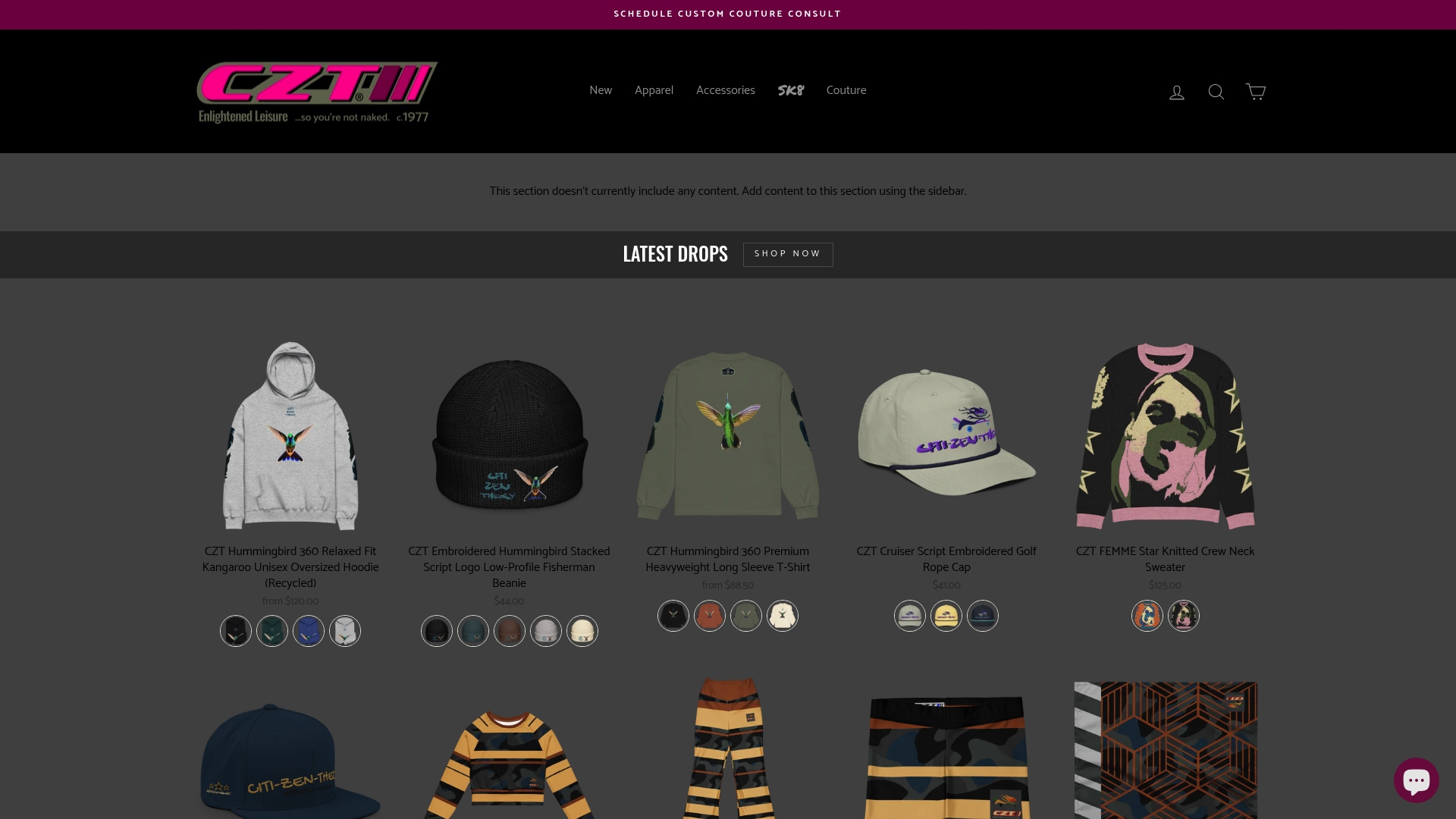
The Cztini Bikini is one expression of that commitment: a recycled fiber bikini bottom built from sustainable materials without sacrificing the aesthetic confidence that defines our brand. It is the kind of piece that proves eco-conscious fashion does not ask you to compromise on style. Explore the full Czt collection and find garments designed with both the culture and the planet in mind.
FAQ
What are natural fibers in fashion?
Natural fibers are plant-based or animal-derived textile materials, including cotton, hemp, linen, wool, and silk. They are renewable, biodegradable, and produce fewer microplastics than synthetic alternatives.
Are natural fibers always sustainable?
Not automatically. The sustainability of natural fibers depends on farming methods, processing chemicals, and end-of-life design. Organic certification like GOTS confirms that the full supply chain meets verified environmental standards.
Why do natural fibers matter for microplastic pollution?
Synthetic fibers shed microplastic particles during washing, which enter waterways and accumulate in ecosystems. Natural fibers do not release microplastics, making them a direct solution to one of fashion’s most persistent environmental problems.
What is cottonization and why does it matter?
Cottonization is a mechanical process that softens bast fibers like hemp and flax, improving their comfort and workability. It expands the range of garments where natural fibers can replace synthetics without sacrificing performance.
How do blended fabrics affect biodegradability?
Blending natural fibers with synthetics prevents clean biodegradation at end of life. The synthetic component persists in the environment even after the natural fiber breaks down, undermining the circularity benefits of natural textiles.
Recommended
- Recycled Materials in Fashion: Benefits and Impact – CZT [CITI-ZEN-THEORY]
- Hemp Fabric in Streetwear: Style Meets Sustainability – CZT [CITI-ZEN-THEORY]
- Nature-Inspired Fashion Patterns: 8 Stunning Examples – CZT [CITI-ZEN-THEORY]
- Recycled Fabric Clothing Explained for Eco-Conscious Style – CZT [CITI-ZEN-THEORY]