![CZT [CITI-ZEN-THEORY]](http://czt.rocks/cdn/shop/files/CZT_-_Brand_PINK_Label_1_330x.png?v=1774104725)
![CZT [CITI-ZEN-THEORY]](http://czt.rocks/cdn/shop/t/61/assets/CZT-Fast-Logo---Blue-Grey_330x.png?v=98224836737033641471695502660)
![CZT [CITI-ZEN-THEORY]](http://czt.rocks/cdn/shop/files/CZT_-_Brand_PINK_Label_1_170x.png?v=1774104725)
![CZT [CITI-ZEN-THEORY]](http://czt.rocks/cdn/shop/t/61/assets/CZT-Fast-Logo---Blue-Grey_170x.png?v=98224836737033641471695502660)
Recycled Material Clothing Care Tips That Last
Recycled material clothing care tips are defined by one principle: gentler handling preserves both the fabric and the planet. Garments made from recycled fibers, a category the industry formally calls post-consumer recycled textiles, demand care that differs meaningfully from standard cotton or virgin polyester routines. Recycled fibers are often shorter and more sensitive than virgin ones, which means pilling, performance loss, and microplastic shedding happen faster when you apply conventional laundry logic. The good news is that a few deliberate habits, cold water, no fabric softeners, and air drying, extend garment life dramatically while keeping your environmental footprint low.
1. Wash recycled material clothes in cold water
Cold water washing is the single most protective step you can take with recycled fabrics. Washing at 30°C or lower prevents fiber swelling, reduces microplastic shedding, and keeps the structural integrity of recycled polyester and cotton intact. Fiber swelling is what causes garments to lose their shape and softness over time, so keeping temperatures low is a direct investment in longevity.
The energy argument is equally compelling. Up to 90% of a wash cycle’s energy goes toward heating water. Switching to cold water cuts that consumption sharply, which means every cold wash you run lowers both your carbon footprint and your utility bill. Modern detergents are formulated to clean effectively at cold temperatures, so hygiene is never compromised.
- Use the “cold” or “delicate” setting on your machine
- Set the water temperature to 30°C (86°F) or below
- Choose a short, gentle cycle to minimize mechanical friction
- Avoid hot rinse cycles, which cause the same fiber stress as hot washes
Pro Tip: If your machine defaults to warm water, check the settings before every load. One accidental hot wash can cause irreversible shrinkage in recycled fleece.
2. Skip fabric softeners and dryer sheets entirely
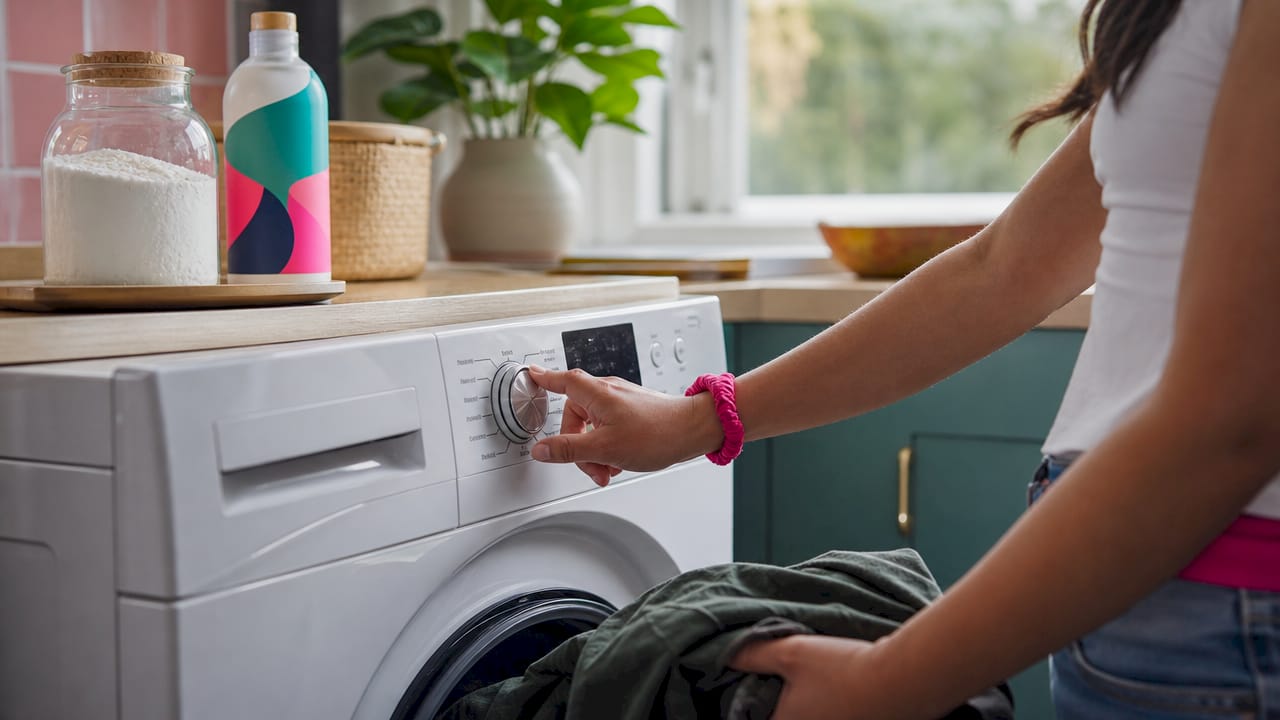
Fabric softeners feel like a kindness to your clothes. For recycled fabrics, they are the opposite. Softeners coat fibers and clog the microscopic channels that give recycled activewear its breathability and moisture-wicking function. Once those channels are blocked, the performance properties of the garment are gone, and no amount of washing restores them.
Dryer sheets carry the same problem. The waxy residue they deposit builds up over multiple wash cycles, degrading the finish of recycled fleece and technical garments faster than normal wear would. The effect is most visible in performance-driven pieces where moisture management matters.
- Replace fabric softener with a half-cup of white vinegar in the rinse cycle
- Choose mild, fragrance-free detergents without added conditioners or brighteners
- Use the minimum recommended detergent dose; excess residue causes the same clogging effect
- Avoid detergent pods with built-in softener formulas
Pro Tip: White vinegar softens fibers naturally without coating them. It also neutralizes odors, which is a genuine bonus for activewear.
3. Wash less often than you think you need to
Over-washing recycled fiber garments accelerates breakdown and strips functional finishes faster than any other single factor. Most people apply cotton-care logic to recycled synthetics, washing after every wear, which is the fastest route to premature degradation.
The right frequency depends on how you use the garment:
- Active use garments (workout gear, skate pieces, outdoor layers): wash every 2–3 wears
- Casual everyday wear (streetwear, relaxed fits, layering pieces): wash every 4–6 wears
- Spot cleaning for small stains: apply a damp cloth and mild soap directly to the affected area, then air dry
- Airing out between wears: hang garments in a ventilated space for 30–60 minutes after use to release odor and moisture without a full wash cycle
Spot cleaning is underused and underrated. A small mark on a sleeve does not require running the entire garment through a machine cycle. Extending garment lifespan through proper care maximizes the environmental benefit of recycled fabric production, and fewer washes are the most direct way to extend that lifespan.
4. Use a gentle or delicate machine cycle
The mechanical action of a washing machine creates friction. That friction, multiplied across dozens of wash cycles, is what causes pilling, snags, and surface damage on recycled fabrics. Gentle cycles and correct detergent dosing preserve fabric finish in ways that standard cycles simply cannot.
Choose the delicate or hand-wash setting whenever it is available. These cycles use slower drum speeds and shorter agitation periods, which means less mechanical stress on shorter recycled fibers. If your machine has a “sportswear” setting, that is often the best option for recycled activewear, as it balances cleaning power with fiber protection. For a deeper look at how recycled fabric properties inform care decisions, Czt’s guide on recycled fabric clothing covers the material science behind these choices.
5. Air dry whenever possible
Air drying is the gold standard for recycled fabric care. Air drying is gentler on recycled fibers and reduces environmental impact compared to machine drying. It also eliminates the heat stress that causes shrinkage, finish loss, and accelerated fiber breakdown.
Lay flat or hang garments on a drying rack away from direct sunlight. Direct sun can fade colors and weaken fiber bonds in recycled polyester over time. For structured pieces like Czt’s Botanic Camo collection, laying flat prevents the garment from stretching under its own weight while damp.
- Hang knits and structured pieces flat to preserve shape
- Avoid direct sunlight for colored or printed garments
- Allow full air circulation around the garment for even drying
- Do not wring or twist recycled fabrics; press gently to remove excess water
Pro Tip: A drying rack near an open window dries most garments within a few hours and costs nothing to run. It is the single easiest upgrade to your care routine.
6. Use low heat if you must use a dryer
Sometimes air drying is not practical. When you use a dryer, low heat is the only acceptable setting for recycled fabrics. High heat causes recycled polyester to shrink, distorts the finish of recycled fleece, and accelerates the breakdown of fiber bonds that give the garment its structure.
Remove garments while they are still slightly damp. Overdrying is as damaging as high heat because it stresses fibers past their natural elasticity. A slightly damp garment laid flat for the final 20 minutes of drying retains its shape and finish far better than one tumbled to bone dry. This approach also reduces static, which is a persistent issue with synthetic recycled fabrics in the dryer.
7. Turn garments inside out before washing
Turning clothes inside out before every wash is a small action with a measurable impact. Washing inside out reduces friction on the garment’s outer surface, which directly prevents pilling and protects printed or embroidered designs from mechanical abrasion. For pieces with graphic prints, this single habit extends the visual life of the design by multiple wash cycles.
The inside of a garment takes the friction instead of the outside. Since the inside surface is not visible during wear, surface wear there has no practical consequence. For Czt pieces featuring detailed artwork or camo compositions, turning inside out before washing is non-negotiable. A complementary resource on preserving graphic prints covers this topic in depth for garments where design integrity is central to the piece.
8. Wash in a microfiber filter bag
Using a microfiber-filter wash bag is among the highest-impact actions you can take to reduce microplastic pollution from washing synthetic recycled fabrics. Every wash cycle releases microscopic fibers from synthetic textiles. Those fibers pass through standard washing machine filters and enter waterways, where they accumulate in ecosystems and food chains.
The Guppyfriend wash bag is the most widely recognized product in this category. It captures shed fibers inside the bag during the wash cycle, allowing you to dispose of them in solid waste rather than releasing them into water systems. The bag also reduces mechanical friction on garments, which means it protects fabric integrity at the same time it protects the environment. For anyone serious about sustainable clothing maintenance, a filter bag is a one-time purchase that pays environmental dividends on every wash.
9. Store garments properly to prevent compression damage
Proper garment storage prevents compression damage and extends clothing lifespan in ways that even the best washing routine cannot compensate for. Storing recycled fabrics tightly folded or compressed for extended periods distorts their shape and stresses fiber bonds at the fold lines.
Loose folding or hanging on padded hangers preserves the garment’s composition. Avoid vacuum storage bags for recycled fleece or structured streetwear pieces; the compression those bags apply is exactly the kind of sustained pressure that causes permanent shape distortion. Store garments in a cool, dry space with airflow. Damp storage environments accelerate the breakdown of recycled fiber finishes and create conditions for odor to develop even in clean garments.
10. Repair pilling and snags early
Pilling and snags are not cosmetic problems. They are structural signals that fiber breakdown has begun. Addressing them early stops the degradation from spreading. A fabric shaver removes pills cleanly without cutting surrounding fibers, restoring the surface appearance and slowing further breakdown. For snags, use a blunt needle to pull the loop back through to the inside of the garment rather than cutting it, which weakens the surrounding weave.
The most sustainable care routine balances fewer washes, cold temperatures, and air drying to minimize fiber stress. Repair is the fourth pillar of that routine. A garment that gets repaired at the first sign of wear lasts years longer than one that gets replaced at the first sign of imperfection. Czt’s perspective on garment longevity frames this repair ethic as central to what sustainable fashion actually means in practice.
Key Takeaways
The most effective care routine for recycled material clothing combines cold water washing, no fabric softeners, air drying, and a microfiber filter bag to preserve fiber integrity and reduce environmental impact.
| Point | Details |
|---|---|
| Cold water is non-negotiable | Wash at 30°C or lower to prevent fiber swelling, microplastic shedding, and shrinkage. |
| Skip fabric softeners | Softeners clog recycled fibers and permanently destroy breathability and moisture-wicking performance. |
| Wash less, air out more | Wash active garments every 2–3 wears and casual pieces every 4–6 wears to slow fiber breakdown. |
| Use a microfiber filter bag | A Guppyfriend bag captures shed fibers during washing, protecting waterways and reducing garment friction. |
| Repair early, replace less | Addressing pilling and snags at first appearance extends garment life and reduces waste. |
What caring for recycled clothing has taught us about intention
There is a particular kind of discipline that comes with wearing clothes you actually believe in. We have spent years working with recycled materials at Czt, watching how the same garment ages beautifully under one person’s care and falls apart under another’s. The difference is almost never the garment. It is the attention.
What strikes me most is how the conventional laundry routine, hot water, fabric softener, high heat drying, is almost perfectly designed to destroy recycled fabrics. People follow it because it is familiar, not because it works. The moment you shift to cold water and air drying, you start to feel the difference in how the fabric holds its hand, its drape, its surface texture.
The overlooked truth is that caring for recycled clothing is an ethical act, not just a practical one. Every wash you skip, every repair you make instead of discarding, every cold cycle you choose over a hot one, compounds into a real reduction in environmental harm. That is not abstract sustainability rhetoric. That is the actual mechanism by which recycled textiles deliver their promised benefit. The fabric was made to last. Your care routine determines whether it does.
For anyone building a wardrobe with intention, the guide on making clothes last longer captures this philosophy with the same seriousness we bring to every piece we design.
— Czt
Czt’s commitment to recycled fashion and how to wear it well
Czt builds streetwear from recycled materials because the culture we come from has always found beauty in what others overlook. The Botanic Camo collection is made to move, to last, and to carry meaning beyond its first wear.

Caring for your Czt pieces the right way keeps them performing and looking exactly as they were composed to look. Every tip in this article applies directly to the recycled fabrics in our catalog. For readers who want to go deeper on why recycled materials matter and how they behave differently from conventional textiles, Czt’s resource on recycled materials in fashion covers the full picture. When you are ready to add pieces built for longevity to your wardrobe, the full collection lives at czt.rocks.
FAQ
What temperature should I wash recycled fabric clothing at?
Wash recycled fabric garments at 30°C (86°F) or lower. Cold water prevents fiber swelling, reduces microplastic shedding, and cuts wash cycle energy use by up to 90%.
Can I use fabric softener on recycled polyester?
No. Fabric softeners coat recycled fibers and permanently block the moisture-wicking and breathability properties of recycled activewear and technical garments.
How often should I wash recycled material clothes?
Wash active garments every 2–3 wears and casual pieces every 4–6 wears. Spot cleaning and airing out between wears reduce the need for full wash cycles and slow fiber breakdown.
What is a Guppyfriend bag and do I need one?
A Guppyfriend is a microfiber-filter wash bag that captures shed synthetic fibers during washing, preventing them from entering waterways. It is one of the highest-impact steps you can take for sustainable clothing maintenance.
Does air drying really make a difference for recycled fabrics?
Air drying eliminates heat stress, which is the primary cause of shrinkage and finish loss in recycled polyester and fleece. It also reduces energy use and extends garment life compared to machine drying.