![CZT [CITI-ZEN-THEORY]](http://czt.rocks/cdn/shop/files/CZT_-_Brand_PINK_Label_1_330x.png?v=1774104725)
![CZT [CITI-ZEN-THEORY]](http://czt.rocks/cdn/shop/t/61/assets/CZT-Fast-Logo---Blue-Grey_330x.png?v=98224836737033641471695502660)
![CZT [CITI-ZEN-THEORY]](http://czt.rocks/cdn/shop/files/CZT_-_Brand_PINK_Label_1_170x.png?v=1774104725)
![CZT [CITI-ZEN-THEORY]](http://czt.rocks/cdn/shop/t/61/assets/CZT-Fast-Logo---Blue-Grey_170x.png?v=98224836737033641471695502660)
Stylish Sustainable Kids Outfits: 10 Looks to Copy Now
Three looks you can assemble today: an everyday organic cotton street set, a skate-inspired recycled-poly hoodie-and-jogger combo, and a minimal TENCEL capsule outfit for occasions. Each one proves that eco-friendly kids fashion and genuine streetwear energy are not competing values — they are the same conversation.
- Everyday street set: GOTS-certified organic cotton tee + relaxed chino pants + canvas sneakers. Breathable, play-ready, and soft enough for sensitive skin.
- Skate-inspired play set: Recycled polyester hoodie + reinforced-knee joggers + low-profile skate shoes. Built for movement, built to last.
- Minimal capsule outfit: TENCEL Lyocell button-front shirt + adjustable-waist shorts + a woven belt. Clean lines that carry from a playdate to a family dinner.
Organic cotton farming uses up to 91% less water and produces around 46% less CO₂ than conventional cotton, according to leading sustainable kidswear brands — a difference that makes the material choice feel less like a preference and more like a responsibility. Czt’s custom couture services let you take any of these blueprints further, personalizing the composition to match a child’s specific aesthetic.
Pro Tip: Look for OEKO-TEX Standard 100 or GOTS certification on any piece you buy. These labels confirm chemical limits and ethical production standards — not just fiber origin.
Table of Contents
- 10 Stylish sustainable kids outfits you can copy right now
- Which materials actually make kids’ clothes sustainable?
- How to build a mix-and-match capsule wardrobe for kids
- Care, repair, and resale: making sustainable clothes last
- Where to shop and how to verify sustainability claims in the US
- Simple DIY projects to customize and refresh kids’ streetwear
- How Czt brings these outfit ideas to life in streetwear and custom couture
- Accessories and footwear that complete a sustainable kids’ outfit
- How to find sustainable kids’ clothing from local and small businesses
- Key Takeaways
- Why style and sustainability belong together in kids’ streetwear
- Czt’s ready-made and custom sustainable streetwear for kids
- Useful resources for sustainable kids’ fashion
10 Stylish sustainable kids outfits you can copy right now
Outfit blueprints work best when they are specific. Each example below names the age range, three core pieces, one accessory, the primary material, and a short styling note for that streetwear edge.
Everyday casual
1. Toddler earth-tone street set (ages 2–4) Organic cotton oversized tee in terracotta + GOTS-certified pull-on pants with an elasticated waist + canvas slip-ons. Add a small woven bucket hat. The relaxed silhouette mirrors adult streetwear proportions scaled for frolicking toddlers. Mix-and-match capsule logic keeps the tee pairable with three other bottoms.
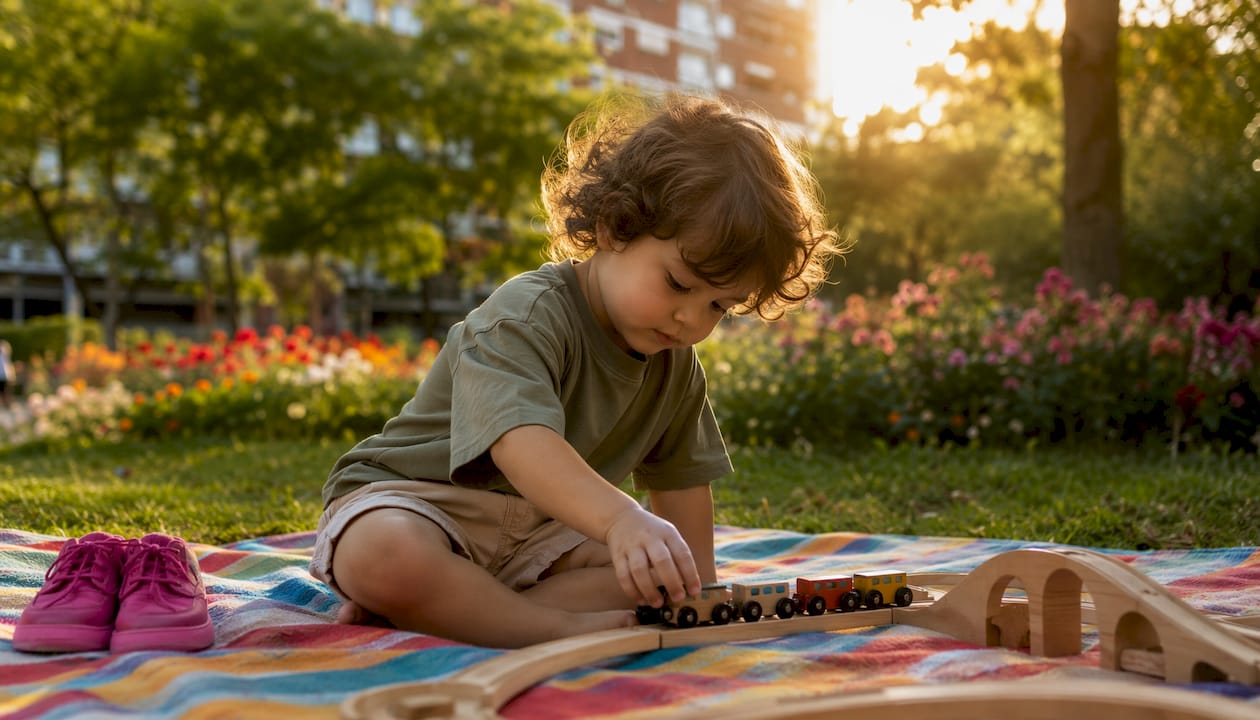
2. Classic neutral set (ages 4–7) TENCEL Lyocell button-front shirt in soft white + organic cotton shorts with adjustable corozo-button waistband + low-top sneakers. A woven crossbody bag finishes the look. The TENCEL drape reads polished without sacrificing breathability on warm days.
Playground and play
3. Reinforced-knee play set (ages 4–7) Organic cotton graphic tee + grow-with-me joggers with reinforced knees and rollable cuffs + rubber-sole trail runners. A recycled-nylon fanny pack keeps small treasures safe. The reinforced knees are the detail that separates a sustainable piece from a disposable one.
4. Active colorblock set (ages 8–12) Recycled polyester colorblock tee + organic cotton cargo shorts + chunky-sole sneakers. A recycled-plastic-trim cap ties the palette together. The recycled polyester here diverts plastic waste while delivering the durability that active play demands.
Skate-inspired streetwear
5. Skate hoodie set (ages 8–12) Recycled polyester fleece hoodie in muted olive + organic cotton wide-leg pants + vulcanized skate shoes. A beanie in organic merino wool completes the composition. The wide-leg silhouette is aesthetically intriguing on a child and functional for board movement.
6. Graphic skate tee set (ages 8–12) Hemp-blend graphic tee + recycled denim shorts + high-top canvas shoes. A deadstock-fabric patch on the shorts adds a graffiti-adjacent character that no mass-market piece can replicate. Hemp’s natural durability means this tee survives the hardcore wear of skate culture.
Sustainable streetwear for kids is not a compromise — it is a design challenge that produces more interesting garments. When a brand chooses deadstock fabric for a patch or recycled plastic for a trim, the resulting piece carries a story that fast fashion simply cannot manufacture.
Minimal capsule and occasion
7. Occasion-ready minimal set (ages 4–7) TENCEL Lyocell blouse with puff sleeves + GOTS-certified organic cotton shorts in navy stripe + leather-free sandals. A small hair clip in reclaimed fabric adds personality. The GOTS certification here covers not just fiber origin but chemical processing and social criteria throughout the supply chain.
8. Monochrome capsule set (ages 8–12) Organic cotton oversized shirt in off-white + matching organic cotton wide-leg trousers + white canvas sneakers. No accessory needed — the monochrome composition speaks for itself. This is the outfit that photographs beautifully as a flat lay and looks equally considered on a moving child.
Seasonal layering
9. Fall layering set (ages 4–7) Organic cotton long-sleeve base tee + recycled polyester puffer vest + TENCEL chino pants + rubber-sole boots. The vest layers over or under a hoodie as temperatures shift, replacing the need for a heavier single-piece coat.
10. Spring transitional set (ages 8–12) Hemp-blend lightweight jacket + organic cotton tee underneath + recycled denim jeans + canvas sneakers. The jacket’s natural UV resistance and breathability make it the right outer layer for unpredictable spring days.
A note on price: a fast-fashion two-piece set at around $25 typically uses polyester or polyester-spandex blends, trading breathability and environmental profile for low cost. Mid-range sustainable pieces (often around $50) run higher, but the cost-per-wear calculates differently when a garment survives two growth spurts instead of one.
Which materials actually make kids’ clothes sustainable?
The fiber choice is where sustainability either holds or collapses. Here is how the five most common sustainable materials perform for children’s wear.
| Material | Breathability | Durability for play | Wash care ease | Certification availability |
|---|---|---|---|---|
| Organic cotton | Excellent | Good | Easy (machine cold) | GOTS, OEKO-TEX |
| TENCEL Lyocell | Very good | Moderate | Gentle cycle | OEKO-TEX |
| Recycled polyester | Moderate | Excellent | Easy | Global Recycle Standard |
| Hemp | Good | Excellent | Easy | OEKO-TEX |
| Deadstock/upcycled | Varies | Varies | Check label | Varies |
TENCEL Lyocell and recycled polyester are commonly paired with organic cotton to balance comfort and performance across a garment’s lifecycle. GOTS goes further than most parents realize: it covers fiber origin, chemical processing limits, and social criteria in the supply chain, making it a stronger signal than a simple “organic” label. The Global Recycle Standard verifies recycled content and chain of custody for synthetic fibers.
- Organic cotton: Softest against sensitive skin; AZO-free dyes confirm no carcinogenic substances. Best for base layers and tees.
- TENCEL Lyocell: Silky drape, moisture-wicking, biodegradable. Best for shirts and occasion pieces.
- Recycled polyester: Durable, quick-dry, excellent for outerwear and activewear. Lower breathability than natural fibers.
- Hemp: Naturally UV-resistant and antimicrobial; gets softer with washing. Best for outer layers and structured pieces.
- Deadstock/upcycled: Unique aesthetics, zero new resource extraction. Quality varies; check construction carefully.
Pro Tip: Combine a GOTS-certified organic cotton base layer with a recycled polyester outer layer. You get breathability close to skin and durability where the garment takes the most impact — a performance-driven composition that also minimizes lifecycle footprint.
How to build a mix-and-match capsule wardrobe for kids
A compact capsule reduces decision fatigue and waste simultaneously. The mix-and-match approach increases outfit variety without increasing the number of garments.
Toddler capsule (ages 2–4): 9 pieces
- 3 organic cotton tees (2 neutrals, 1 graphic)
- 2 pull-on pants (1 jogger, 1 chino)
- 1 recycled polyester hoodie
- 1 lightweight vest or outer layer
- 2 accessories (hat, bag)
School-age capsule (ages 7–12): 11 pieces
- 3 tees (2 neutrals, 1 statement graphic)
- 2 bottoms (1 wide-leg pant, 1 shorts)
- 1 TENCEL shirt for occasions
- 1 hoodie
- 1 jacket or puffer vest
- 2 accessories (beanie, crossbody)
- 1 pair of versatile sneakers
Sizing hacks that extend wear:
- Adjustable waistbands with button or drawstring closures add 1–2 sizes of life to a bottom.
- Rollable cuffs and foldable hems on pants and sleeves let a garment grow with the child.
- Size up one in structured outer layers; size true in base layers for comfort.
Seasonal swaps work through layering rather than replacement. A spring tee becomes a fall base layer under a vest; a summer hoodie moves to a mid-layer in winter. The capsule stays the same — the arrangement changes.
Care, repair, and resale: making sustainable clothes last
The most sustainable garment is the one already in the closet. Washing habits and simple repairs extend that garment’s life measurably.
Washing guidance:
- Machine wash cold on a gentle cycle for organic cotton and TENCEL; cold wash, gentle cycle preserves fiber integrity and AZO-free dyes.
- Dry in shade or on a low-heat setting; avoid tumble-drying TENCEL, which can shrink.
- Use a plant-based, fragrance-free detergent for sensitive skin and fiber longevity.
Quick repair checklist:
- Reinforce knee seams with a simple running stitch before they fail (10 minutes, basic needle and thread).
- Iron-on patches over worn knees or elbows add character and extend wear by months.
- Replace lost buttons with reclaimed or natural corozo buttons — a 5-minute fix that avoids a discard.
- For structural tears, a local tailor can reinforce seams for under $10.
Resale and hand-me-down timeline:
- Organic cotton and hemp pieces built with reinforced-knee construction typically survive 2–3 active-wear years before showing real fatigue.
- Prepare pieces for resale by washing, mending visible damage, and photographing flat.
- US platforms like ThredUp and local consignment shops accept kids’ clothing in good condition.
Pro Tip: Pre-treat stains immediately with cold water and a small amount of dish soap. Heat sets stains permanently — never put a stained garment in the dryer before the stain is gone.
Where to shop and how to verify sustainability claims in the US
The US market has no single mandatory eco-label for children’s clothing, which means the verification work falls to the buyer. A sustainable fashion shopping checklist makes that process faster.
Verification checklist:
- Confirm GOTS, OEKO-TEX Standard 100, or Global Recycle Standard badges on the product page.
- Read the fiber content label: “100% organic cotton” is different from “cotton blend.”
- Check the manufacturing country and look for a social compliance statement (Fair Trade, SA8000, or GOTS social criteria).
- Ask sellers directly: Do you offer sizing returns? Repair services? Custom options? Deadstock fabric use?
Price and durability expectations:
| Price band | Typical material | Expected lifespan (active kids) |
|---|---|---|
| Around $25 | Polyester or polyester-spandex blend | 6–12 months |
| Around $50 | Organic cotton or TENCEL | 2–4 years |
| Around $50 | Hemp, certified blends, custom pieces | 2–4 years |
The ~$25 fast-fashion price point typically signals synthetic blends — durable in a narrow sense, but not breathable, not certified, and not designed for repair. The cost-per-wear math shifts dramatically when a $50 organic cotton piece outlasts three synthetic replacements.
Trusted US purchase channels include small-batch brands with published supply chain transparency, local makers at craft markets, and curated sustainable marketplaces that vet their sellers for certification compliance.
Simple DIY projects to customize and refresh kids’ streetwear
Customization extends emotional attachment to a garment, which directly reduces discard rates. These projects are safe, quick, and genuinely fun to do with kids.
- Patchwork knee reinforcement: Cut a 3-inch square from deadstock fabric. Sew or iron-on over worn knees. Functional and aesthetically intriguing — no two patches are identical.
- Appliqué from reclaimed scraps: Cut a simple shape (star, lightning bolt, leaf) from a reclaimed fabric scrap. Hand-stitch or use fabric-safe iron-on adhesive to attach. For toddlers, avoid small decorative pieces that could detach.
- Colorblock with fabric-safe markers: Use non-toxic, washable fabric markers to add color-blocked panels or line drawings to a plain tee. Let the child choose the colors — their investment in the design increases how long they want to wear it.
- Safe iron-on graphics: Use heat-transfer vinyl cut into simple shapes. Follow manufacturer temperature guidelines; keep irons away from children during application.
Safety callouts:
- No small parts (buttons, beads, loose appliqué) on garments for children under 3.
- Use only non-toxic, child-safe adhesives and markers.
- Supervise heat application; children should not handle the iron.
Small-batch brands often use reclaimed fabric scraps for patches and recycled plastic for trims — the same logic applies at home. A deadstock patch on a plain hoodie is the kind of detail that makes a garment feel authored rather than purchased.
Pro Tip: Keep a small “fabric scrap box” from worn-out garments. Over time, it becomes a resource for patches, appliqué, and repairs — a living archive of the family’s clothing history.
How Czt brings these outfit ideas to life in streetwear and custom couture
Czt occupies a specific and considered position in this conversation: a brand that builds sustainable streetwear for kids from recycled materials, with custom couture services that let families move beyond off-the-rack entirely.
The Botanic Camo collection is the clearest expression of this philosophy — recycled materials shaped into a composition that reads as genuinely fashion-forward, not as an eco-compromise. The construction incorporates grow-with-me details and durable seaming suited to the demands of skate culture and active play.
- Czt’s custom couture service allows families to specify materials, colorways, and silhouettes.
- Pieces are designed for the intersection of streetwear aesthetics and performance-driven durability.
- The brand’s neon-pink visual identity signals liberation and avant-garde confidence — a deliberate contrast to the muted, apologetic aesthetic that often defines “sustainable” kids’ clothing.
Czt believes that a child’s clothing should carry the same creative ambition as the culture they are growing up inside — streetwear that survives the skate park, the playground, and the growth spurt, without asking the planet to pay the difference.
Accessories and footwear that complete a sustainable kids’ outfit
The outfit is never finished at the clothing layer. Accessories and footwear carry as much environmental weight as the garments themselves.
Footwear: Look for canvas sneakers with natural rubber soles, leather-free sandals with recycled-rubber outsoles, and trail runners with Global Recycle Standard-certified uppers. Brands that publish material sourcing for their soles are worth the premium — synthetic rubber outsoles are often the least sustainable component in an otherwise clean shoe.
Accessories: Organic cotton or recycled-nylon beanies, hats, and bags round out a capsule without adding synthetic waste. Reclaimed-fabric hair accessories and recycled-plastic-trim belts are increasingly available from small-batch US makers. For bags, a single recycled-nylon crossbody or fanny pack serves every outfit in the capsule.
The rule of thumb: apply the same certification check to accessories that you apply to clothing. An OEKO-TEX label on a hat confirms the same chemical limits as on a tee.
How to find sustainable kids’ clothing from local and small businesses
Local and small-batch sourcing offers something large-scale retail cannot: direct access to the maker, which means direct access to the supply chain story.
- Farmers markets and craft fairs often feature small-batch kids’ clothing makers who use locally sourced or deadstock fabrics. Ask directly about fiber sourcing and dye processes.
- Instagram and Etsy host a significant number of US-based independent makers producing GOTS-certified or deadstock kids’ pieces. Filter searches by certification terms.
- Local consignment and swap networks extend the life of existing garments and keep money in the community. Many US cities have neighborhood clothing swap groups specifically for kids’ wear.
- Community-supported fashion (CSF) models, modeled loosely on CSA farming, allow families to subscribe to a small maker’s seasonal drops — building a relationship with the brand and often accessing better pricing.
When sourcing locally, ask three questions: What is the fiber content and its certification? Where was it made and under what labor conditions? Can this piece be repaired or returned at end of life? A maker who answers all three confidently is worth supporting.
Key Takeaways
Stylish, sustainable kids’ outfits start with certified materials, a compact mix-and-match capsule, and simple care habits that extend every garment’s life across multiple growth spurts.
| Point | Details |
|---|---|
| Start with certified materials | Prioritize GOTS, OEKO-TEX, or Global Recycle Standard labels to confirm chemical safety and ethical production. |
| Build a compact capsule | A 9–11 piece mix-and-match set covers everyday, play, and occasion looks without excess. |
| Use grow-with-me features | Adjustable waists and rollable cuffs extend a garment’s useful life across 1–2 additional sizes. |
| Care and repair extend value | Cold wash, shade dry, and a 10-minute mend keep sustainable pieces wearable for 2–4 years. |
| Czt for custom streetwear | Czt’s custom couture and recycled-material collections let families build personalized, play-ready sustainable streetwear. |
Why style and sustainability belong together in kids’ streetwear
There is a tendency, in conversations about sustainable children’s clothing, to frame the choice as a sacrifice — as though choosing organic cotton or recycled polyester means accepting something less vivid, less alive, less expressive than what fast fashion offers. We find that framing both inaccurate and, frankly, uninspiring.
Children learn through play, and the clothing they wear during that play is part of their developing aesthetic sensibility. A garment built from deadstock fabric, stitched with care, and designed to survive a skate session carries a different kind of meaning than something produced in bulk and discarded after a season. The mix-and-match capsule approach is not just practical — it teaches a child that fewer, better things are worth more than many disposable ones.
Czt’s work sits at this intersection deliberately: streetwear that does not ask families to choose between the culture they love and the planet they are responsible for. That is the composition we are most proud of.
Czt’s ready-made and custom sustainable streetwear for kids
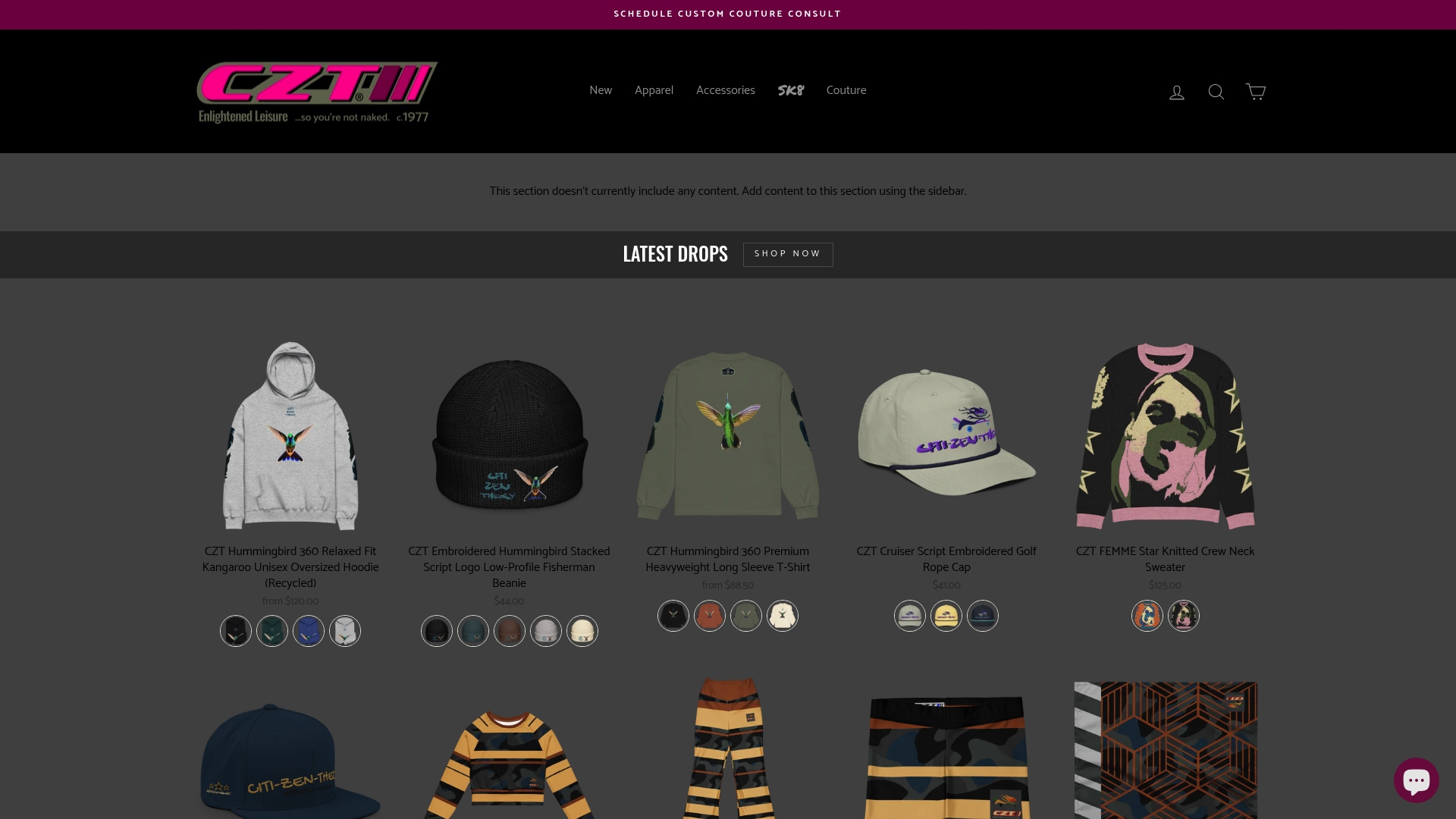
Czt offers two routes for families who want to move from outfit inspiration to actual garments. The ready-made collections, including the Botanic Camo line built from recycled materials, deliver streetwear-forward pieces that are play-ready from day one. The custom couture service goes further: families specify materials, silhouette, and colorway, and Czt builds the piece to those exact parameters, with grow-with-me construction details built in.
This is not mass-market production. Lead times for custom pieces reflect the craft involved, and every garment is designed for longevity rather than seasonal replacement. For families who have read this far and want clothing that carries the same values as the research behind it, the next step is straightforward: visit Czt’s landing page to explore current collections or start a custom couture inquiry.
Useful resources for sustainable kids’ fashion
- GOTS (Global Organic Textile Standard): The authoritative source for understanding what GOTS certification covers — fiber, processing, and social criteria.
- OEKO-TEX Standard 100: Explains chemical limits and how to verify a product’s certification status.
- Global Recycle Standard (Textile Exchange): Defines recycled content verification for synthetic fibers.
- Czt blog: durable fabrics for active kids: Practical breakdown of fabric performance for play-ready children’s clothing.
- Czt blog: recycled fibers in kids’ clothing: Explains how recycled polyester and other fibers work across a garment’s lifecycle.
- Czt blog: upcycled streetwear designs: Inspiration for applying reclaimed materials to streetwear aesthetics.
Recommended
- Durable Fabrics for Active Kids: A Sustainable Guide – CZT [CITI-ZEN-THEORY]
- Why Streetwear Inspires Kids Fashion: A Parent’s Guide – CZT [CITI-ZEN-THEORY]
- Playful Design in Kids Apparel: What Parents Should Know – CZT [CITI-ZEN-THEORY]
- Buy Long-Lasting Children’s Streetwear: A Parent’s Guide – CZT [CITI-ZEN-THEORY]