![CZT [CITI-ZEN-THEORY]](http://czt.rocks/cdn/shop/files/CZT_-_Brand_PINK_Label_1_330x.png?v=1774104725)
![CZT [CITI-ZEN-THEORY]](http://czt.rocks/cdn/shop/t/61/assets/CZT-Fast-Logo---Blue-Grey_330x.png?v=98224836737033641471695502660)
![CZT [CITI-ZEN-THEORY]](http://czt.rocks/cdn/shop/files/CZT_-_Brand_PINK_Label_1_170x.png?v=1774104725)
![CZT [CITI-ZEN-THEORY]](http://czt.rocks/cdn/shop/t/61/assets/CZT-Fast-Logo---Blue-Grey_170x.png?v=98224836737033641471695502660)
Playful Design in Kids Apparel: What Parents Should Know
Playful design in children’s apparel is defined as the intentional integration of imaginative, functional, and sensory elements into garments to support developmental growth, not simply to look charming. The role of playful design in kids apparel extends far beyond bright colors and cartoon prints. Clothing built around play principles actively shapes how children think, regulate their emotions, and engage with the world around them. Research from Heriot-Watt University, the Friendm@ker interdisciplinary design project, and a 2026 longitudinal study of 1,426 children confirms that what a child wears can influence their mental health, persistence, and capacity for self-expression in measurable ways.
How playful design supports creativity and pretend play
Pretend play is the engine of early childhood development, and clothing is one of its most direct triggers. Symbolic behavior in pretend play, defined as treating one thing “as if” it were another, gives children the cognitive and emotional vocabulary to process complex feelings through fantasy and role play. A child wearing a lab coat print sweatshirt does not just look like a scientist. She begins to act like one.
The developmental stakes here are real. A large longitudinal study tracking 1,426 children found that early pretend play ability at ages two to three was directly associated with fewer behavioral and emotional problems at ages four to seven. This means the imaginative play your child engages in today has measurable mental health consequences years later.
Role identity in clothing goes even further. Research published in ScienceDirect found that girls who role-played as Dr. Marie Curie showed persistence in science tasks equal to boys, a result that did not appear when they role-played as unrelated characters like artists. Domain-aligned character prompts in apparel, think a space explorer motif or a marine biologist print, produce specific, measurable engagement rather than generic enthusiasm. The character on the shirt matters as much as the fabric underneath it.
The Friendm@ker project, an interdisciplinary collaboration drawing on pedagogy, psychology, illustration, and textile design, framed clothing as a play language that merges the functions of toy, costume, and storytelling prop. This framing shifts the entire design conversation. A garment that sustains imaginative play across home routines, bedtime stories, and classroom activities delivers long-term value that a purely decorative print simply cannot.
Structure within playful design also matters. An Oregon State University study with 93 preschool children found that the organizational dimension of pretend play predicted behavioral self-regulation with a beta coefficient of .38. Coordinated themed sets, a dinosaur explorer top paired with matching cargo pants, reduce the cognitive load of play setup and help children organize their imaginative scenarios more effectively.
- Choose apparel with a clear thematic identity, not just scattered prints
- Look for coordinated sets that tell a visual story together
- Prioritize designs that invite physical interaction, such as pockets, toggles, or reversible panels
- Select motifs aligned with your child’s current interests to maximize engagement
Pro Tip: When shopping for themed sets, ask whether the design prompts a specific action. A cape invites flight. A tool-belt print invites building. Designs that suggest a behavior produce more sustained play than those that simply look fun.
What makes sensory-friendly features non-negotiable in playful apparel
Visual playfulness means nothing if a garment is physically unbearable to wear. Sensory comfort is the foundation on which all other design benefits rest, and this is especially true for the estimated one in six children who experience sensory processing differences.
Heriot-Watt University’s Little Waves collection, designed specifically for autistic children, demonstrates what genuinely sensory-informed design looks like in practice. The collection features ultra-soft fabrics and flattened seams, label-free construction with QR-coded tags, and built-in elasticated sensory beads for self-regulation. Interchangeable calming patches allow children to personalize their garments, giving them agency over their own comfort. This is not accommodation. It is design excellence.
For sensory-sensitive children, label and seam discomfort can override any preference for a particular print or character. A child who loves dinosaurs will still refuse to wear a dinosaur shirt if the collar scratches. Tactile construction is therefore not a secondary consideration. It determines whether a garment gets worn at all.
The broader principle here is that playful apparel must engage multiple senses simultaneously. A garment that is visually stimulating but physically irritating creates conflict rather than comfort. The most effective designs in children’s fashion integrate soft, smooth construction with discreet sensory tools, producing a garment that children reach for willingly, day after day.
- Ultra-soft, pre-washed fabrics reduce initial stiffness and sensory resistance
- Flattened or covered seams eliminate the most common tactile complaint in children’s clothing
- Label-free designs with printed or QR-coded care instructions remove a persistent irritant
- Built-in sensory tools, such as textured panels or elasticated elements, support self-regulation without requiring a separate fidget device
- Interchangeable design elements give children ownership over how their clothing feels and looks
Pro Tip: Before purchasing, run your thumb along every interior seam. If you feel a ridge, your sensory-sensitive child will feel it ten times more intensely. Smooth construction is the single most important feature you can check in-store.
Role-based vs. decorative designs: which actually supports play?
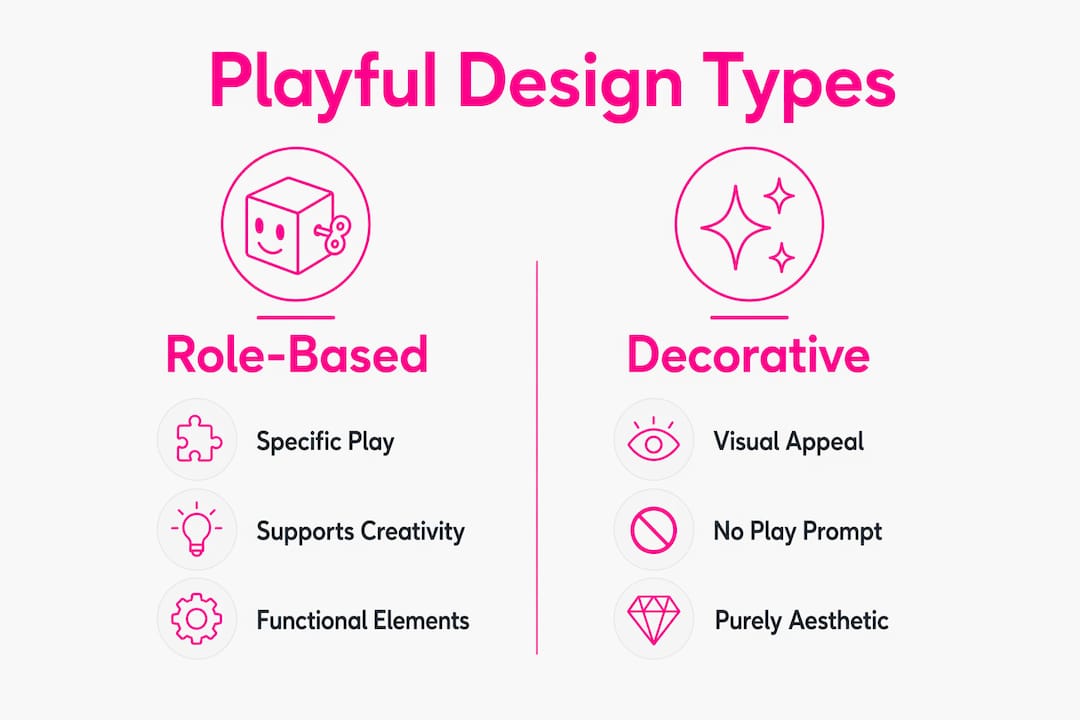
Not all playful clothing produces the same outcomes. The distinction between role-based playful design and purely decorative playful design is one of the most underappreciated considerations in children’s fashion.
| Feature | Role-based playful design | Decorative-only design |
|---|---|---|
| Core function | Prompts specific imaginative behavior | Adds visual interest without behavioral cue |
| Engagement depth | High; child adopts a character or scenario | Low to moderate; child notices the print |
| Persistence in play | Increased, especially in domain-specific tasks | Minimal measurable effect |
| Self-regulation support | Structured themes reduce cognitive load | Chaotic or random visuals may increase distraction |
| Long-term wearability | Sustained across multiple play contexts | Fades as novelty wears off |
| Best use case | Developmental play, STEM engagement, storytelling | Casual wear, photo occasions |
Role identity-based clothing, the kind that positions a child as a specific character with a specific purpose, produces higher engagement and persistence than random playful prints, according to ScienceDirect research on role-play and science persistence. The physical cue matters too. Apparel that includes immediate interaction prompts, like a cape, a tool pocket, or a badge element, launches pretend play faster and sustains it longer than a shirt that simply features a fun graphic.
Overly complex or chaotic visual compositions can actually work against play engagement. When a design has too many competing elements, the child’s attention fragments rather than focuses. The most effective playful compositions are aesthetically intriguing but narratively clear, giving the child a single imaginative entry point rather than a visual puzzle to decode.
How gender-neutral playful apparel expands children’s self-expression
Gender-neutral playful design is not a trend. It is a structural shift in how children’s fashion understands identity and choice. When clothing is organized around interest rather than gender, children gain access to a wider range of imaginative possibilities.
Unisex designs featuring animals, dinosaurs, and abstract shapes allow children to select clothing based on what genuinely excites them, rather than what the pink or blue aisle dictates. This matters developmentally because clothing choice is one of the earliest opportunities children have to exercise personal agency. When that choice is constrained by gender coding, the developmental benefit of self-expression is diminished.
Inclusive playful apparel also serves neurodivergent children more effectively. Sensory-friendly designs that avoid gendered construction details, such as decorative buttons or stiff embroidery, tend to be more comfortable across the board. The overlap between gender-neutral design and sensory-friendly design is not coincidental. Both prioritize the child’s experience over adult aesthetic conventions.
- Diverse motifs, including animals, space, nature, and geometry, appeal across gender lines and age ranges
- Neutral color palettes, earthy tones, deep blues, and warm greens, age well and reduce the pressure to replace garments seasonally
- Inclusive sizing and silhouettes support children of all body types in accessing the same playful designs
- Clothing as a medium for storytelling and identity expression gives children a daily opportunity to communicate who they are without words
Czt’s own design philosophy, rooted in inclusivity and artistry, reflects this understanding. The nature-inspired patterns that inform our collections draw from a visual vocabulary that belongs to no single gender, inviting every child into the composition.
Key takeaways
Playful design in kids apparel works best when it integrates role-based narrative, sensory comfort, and inclusive motifs into a single, purposefully composed garment.
| Point | Details |
|---|---|
| Role identity drives engagement | Domain-aligned character prompts increase persistence and focused play more than generic fun prints. |
| Sensory comfort is foundational | Flattened seams, soft fabrics, and label-free construction determine whether a garment gets worn at all. |
| Organized themes support self-regulation | Coordinated themed sets reduce cognitive load and help preschoolers structure imaginative play. |
| Gender-neutral design expands choice | Diverse motifs and inclusive silhouettes give children agency to choose based on interest, not gender norms. |
| Clothing functions as a play tool | Garments designed to sustain play across multiple contexts deliver developmental value beyond the initial novelty. |
Why playful design deserves more credit than it gets
We have spent years thinking about what clothing communicates, not just to the world, but to the person wearing it. With children, that communication is even more direct and more consequential. A child does not separate how they feel from what they are wearing. The two are the same experience.
What strikes me most about the research emerging in 2026 is how precisely it confirms what thoughtful designers have always intuited. The Friendm@ker project, the Little Waves collection, the Marie Curie persistence study — these are not isolated findings. They form a coherent argument that clothing is a developmental instrument, and that parents who choose with intention are giving their children something genuinely useful.
The uncomfortable truth is that most children’s apparel is still designed for the adult buyer, not the child wearer. Bright colors are chosen for shelf appeal. Prints are chosen for trend cycles. Seams are constructed for cost efficiency. The child’s sensory experience, imaginative engagement, and emotional relationship with the garment are afterthoughts, if they are considered at all.
My encouragement to you is this: treat your child’s outfit choices as developmental prompts. Ask not just whether the shirt is cute, but whether it invites a story. Ask not just whether it is soft to the touch in the store, but whether every seam and label will hold up to a full day of active, frolicking, wholly absorbed childhood. The garments that pass both tests are the ones worth investing in.
— CZT
Explore Czt’s playful and sustainable kids collections
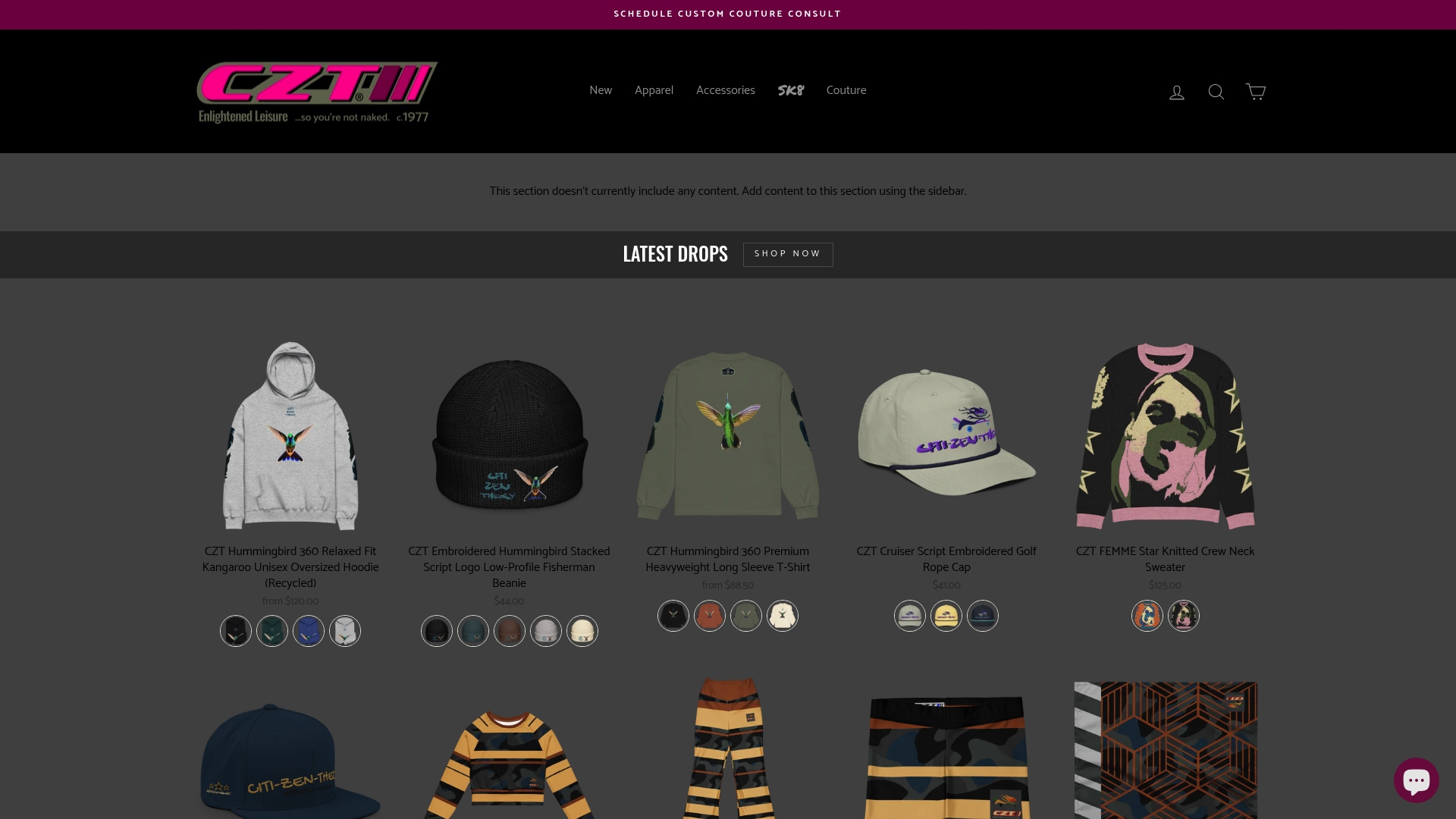
At Czt, we design with the same conviction this research describes: that clothing should serve the child who wears it, not just the adult who buys it. Our organic oversized sweatshirts are constructed from sustainably sourced fabrics with the kind of soft, considered construction that sensory-aware parents will recognize immediately. Bold motifs drawn from street art, nature, and subcultural heritage give children a visual language that is genuinely theirs. We also offer upcycled streetwear designs that prove sustainability and playful creativity are not competing values. They are the same value, expressed through craft.
FAQ
What is playful design in children’s clothing?
Playful design in children’s clothing is the intentional integration of imaginative, sensory, and functional elements into garments to support developmental goals. It goes beyond decorative prints to include features that prompt pretend play, support sensory comfort, and encourage self-expression.
How does playful apparel support a child’s development?
A longitudinal study of 1,426 children found that early pretend play ability predicts fewer behavioral and emotional problems at ages four to seven. Clothing that prompts role play and imaginative engagement actively contributes to this developmental benefit.
What features should I look for in sensory-friendly kids apparel?
Look for ultra-soft fabrics, flattened interior seams, label-free construction, and built-in sensory elements such as textured panels or elasticated details. Heriot-Watt’s Little Waves collection is a strong reference point for what genuinely sensory-informed design looks like.
Does gender-neutral clothing actually benefit children?
Unisex designs with diverse motifs allow children to choose clothing based on personal interest rather than gender norms, which supports agency and identity development. Inclusive design also tends to overlap with sensory-friendly construction, making it more comfortable for a wider range of children.
Is there a difference between role-based and decorative playful designs?
Role-based designs, those that position a child as a specific character with a clear purpose, produce higher engagement and persistence than purely decorative prints. Physical cues like pockets, capes, or badge elements launch pretend play faster and sustain it longer than graphic-only designs.
Recommended
- Original Art-Inspired Collaborative Apparel – CZT [CITI-ZEN-THEORY]
- Nature-Inspired Fashion Patterns: 8 Stunning Examples – CZT [CITI-ZEN-THEORY]
- Why Customization Reduces Fashion Waste Effectively – CZT [CITI-ZEN-THEORY]
- Why Sustainable Custom Fashion Matters for Real Change – CZT [CITI-ZEN-THEORY]