![CZT [CITI-ZEN-THEORY]](http://czt.rocks/cdn/shop/files/CZT_-_Brand_PINK_Label_1_330x.png?v=1774104725)
![CZT [CITI-ZEN-THEORY]](http://czt.rocks/cdn/shop/t/61/assets/CZT-Fast-Logo---Blue-Grey_330x.png?v=98224836737033641471695502660)
![CZT [CITI-ZEN-THEORY]](http://czt.rocks/cdn/shop/files/CZT_-_Brand_PINK_Label_1_170x.png?v=1774104725)
![CZT [CITI-ZEN-THEORY]](http://czt.rocks/cdn/shop/t/61/assets/CZT-Fast-Logo---Blue-Grey_170x.png?v=98224836737033641471695502660)
Why Streetwear Inspires Kids Fashion: A Parent's Guide
Streetwear inspires kids fashion by translating urban culture and adult aesthetics into clothing that is comfortable, expressive, and built for real life. The influence of streetwear on children is not a passing trend. It is a cultural shift, one rooted in skate parks, hip-hop, and graffiti walls, now finding its way into school hallways and playgrounds. Social media has accelerated this movement dramatically, turning children’s wardrobes into a canvas for family identity and creative storytelling. Understanding why kids love streetwear style helps parents make smarter, more intentional choices about what their children wear.
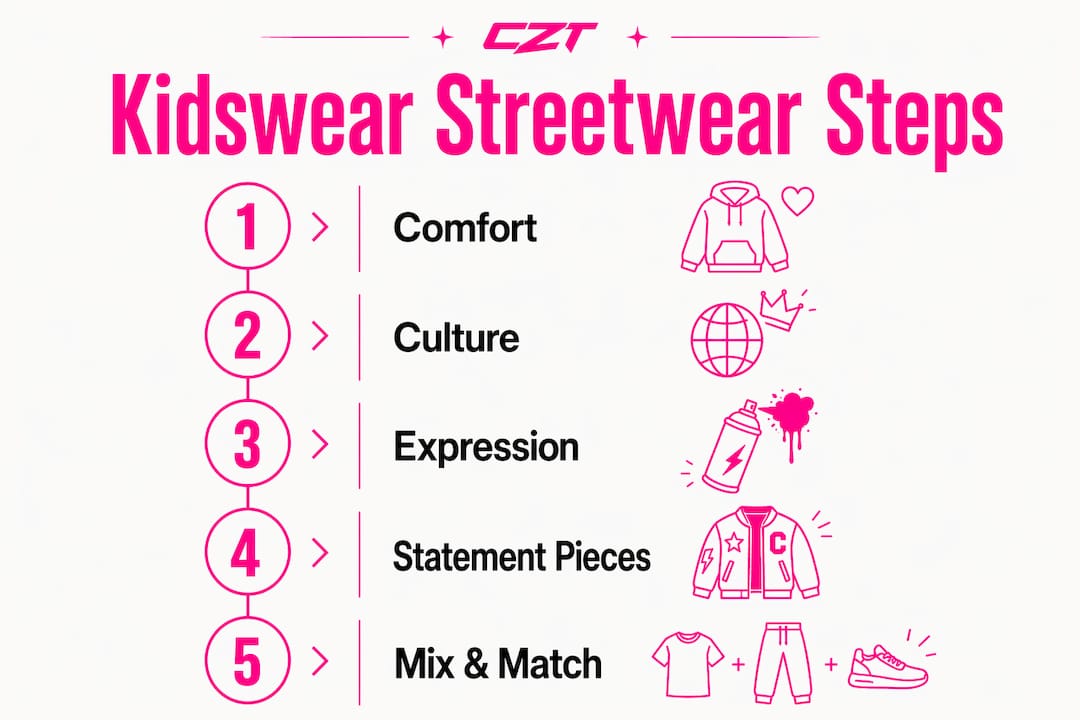
Why streetwear inspires kids fashion: comfort, culture, and expression
Streetwear’s influence on children’s clothing begins with a simple truth: kids want to move, and streetwear lets them. The oversized, comfort-first designs that define adult streetwear translate naturally into children’s apparel, offering freedom of movement without sacrificing style. This is not accidental. The aesthetic was born from subcultures where performance and self-expression were equally valued.
The standard industry term for this crossover is “kidswear streetwear,” a category that blends urban design codes with the practical demands of childhood. Parents recognize something familiar in these silhouettes, a visual language they grew up with, now reimagined for their children. That recognition creates an emotional bond between parent, child, and garment that quieter, more neutral clothing simply cannot replicate.
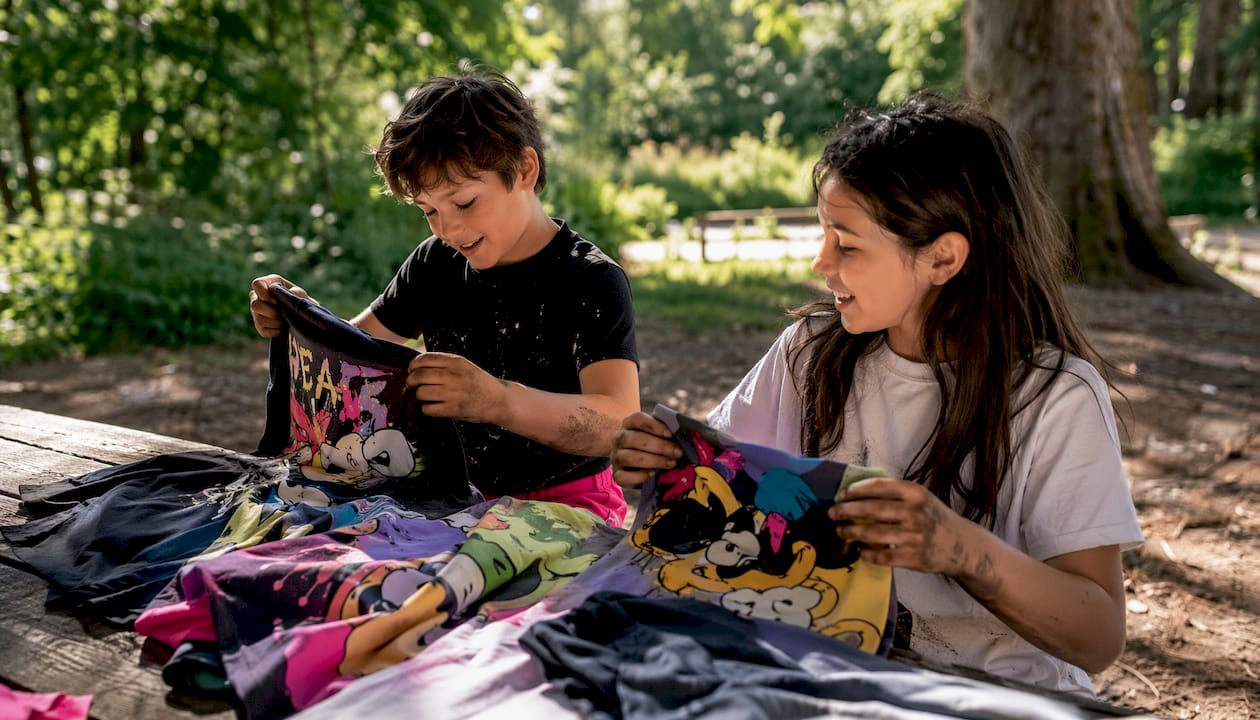
Graphic prints carry particular weight in this dynamic. Bold typography, cartoon-adjacent imagery, and culturally loaded symbols give children a vocabulary for self-expression before they have the words for it. The result is clothing that feels alive, not just functional.
What key streetwear features appeal to children and parents?
The streetwear essentials for kids follow a clear blueprint drawn from skate and hip-hop culture. Each piece serves a dual purpose: it looks intentional, and it holds up to the physical demands of childhood.
The core wardrobe elements include:
- Low-top sneakers with reinforced toes, built for running, climbing, and everything in between
- Relaxed joggers with elastic waistbands that accommodate growth and constant movement
- Oversized hoodies that layer easily and offer the proportional drama that defines streetwear composition
- Cargo pants and stacked denim that provide pockets, durability, and an urban silhouette
Each of these pieces connects style with activity. A hoodie is not just warm. It is a statement. Cargo pants are not just practical. They signal a cultural affiliation that children absorb from music, gaming, and the screens around them.
Parents feel this pull too. Dressing children in streetwear becomes a creative outlet, a way to project aesthetic values and family identity through curated outfits. The emotional connection is real and deliberate.
Pro Tip: When building a kids’ streetwear wardrobe, anchor the look with one or two statement pieces, then fill the rest with solid-color basics. This keeps the aesthetic cohesive without requiring a full boutique budget.
How do social media and cultural trends drive streetwear in kids clothing?
Social media did not just reflect the shift in kids fashion trends toward streetwear. It caused it. Since 2015, platforms like Instagram and TikTok have accelerated streetwear trend adoption in children’s apparel, moving the category away from dull basics toward bold patterns and expressive proportions. The speed of this change is worth noting. Viral short-form video content can generate sales spikes within hours of a look going live online.
Four cultural forces are driving this adoption:
-
Hip-hop and skate culture. These subcultures established the visual grammar of streetwear, and children absorb that grammar through music videos, gaming aesthetics, and the content they consume daily. The influence of skate and hip-hop on kidswear is not filtered or diluted. It is direct.
-
The mini-me phenomenon. The “mini-me” fashion trend allows families to share a visual identity through matching or coordinated outfits. Children’s clothing borrows cultural capital from adult streetwear, and the family unit becomes a kind of aesthetic collective.
-
Influencer and creator culture. Parents who document family life online treat their children’s outfits with the same intentionality as their own. A well-composed photo of a toddler in an oversized graphic tee and cargo pants performs. That performance creates demand.
-
Gaming and music exposure. Children encounter streetwear aesthetics through the characters they play and the artists they listen to. This exposure builds a genuine cultural appetite, not just a passing preference for kids’ graphic wear and bold design.
The result is a feedback loop. Culture produces aesthetics, social media amplifies them, and parents translate them into purchasing decisions.
What practical considerations should parents keep in mind?
The impact of streetwear on kids clothing comes with real financial and logistical considerations. Boutique streetwear pieces for children, such as pants priced around $52 and sweaters at $70, reflect parents’ willingness to invest despite the reality that children outgrow clothing quickly. That tension between style and practicality is the central challenge of kids’ streetwear shopping.
The most effective approach is to mix statement pieces with affordable basics. Reserve the budget for one or two pieces that anchor the look, and build around them with durable, washable staples. This strategy keeps the wardrobe aesthetically intentional without requiring constant reinvestment.
Durability matters as much as design. Streetwear-inspired kids clothing that features reinforced construction and durable fabrics holds up to the physical reality of childhood. Elastic waistbands survive repeated washing. Reinforced toe caps survive the playground. These are not luxury details. They are functional requirements.
Key practical factors to evaluate before purchasing:
- Fabric composition: Look for cotton-rich or recycled-material blends that breathe, wash well, and resist pilling
- Sizing up: Streetwear’s oversized aesthetic actually works in your favor. Buying one size larger extends the wear cycle
- Care instructions: Machine-washable pieces with colorfast dyes save time and preserve the graphic prints that define the look
- Versatility: A piece that works across multiple outfits delivers more value than a single-use statement item
Pro Tip: Brands like Czt that use recycled materials in their construction offer a way to invest in quality streetwear for kids while reducing the environmental cost of fast-growing wardrobes.
How does streetwear in kids fashion reflect broader social changes?
How streetwear shapes youth fashion is inseparable from how society thinks about childhood itself. The lines between adult and children’s fashion have blurred significantly, and streetwear sits at the center of that shift. Children are no longer dressed to look like children in the traditional sense. They are dressed to look like participants in culture.
Gender-neutral design is one of the clearest expressions of this change. Streetwear’s unisex silhouettes, oversized fits, and graphic-forward aesthetic translate naturally into gender-inclusive children’s clothing. Parents who want to move beyond pink-and-blue binaries find streetwear’s visual language ready-made for that purpose.
The table below maps the broader social shifts that streetwear in kids fashion reflects:
| Social shift | How streetwear expresses it |
|---|---|
| Blurring adult and child fashion | Shared silhouettes, proportions, and cultural references across age groups |
| Gender-neutral dressing | Unisex fits and graphic prints that transcend traditional gendered design |
| Parental identity expression | Curated outfits that reflect family aesthetic values and creative identity |
| Cultural storytelling | Clothing as a medium for communicating subcultural affiliation and heritage |
| Children’s individuality | Expressive design that gives kids agency over their visual identity |
Streetwear inspiration for young generations also carries a deeper cultural weight. When a child wears a piece that references skate culture or hip-hop heritage, they are participating in a living tradition. Children’s fashion borrowing adult streetwear culture is driven by genuine cultural exposure through music, gaming, and social media, not just marketing. That authenticity is what separates streetwear from other trend cycles in kidswear.
Parents who understand this dynamic use clothing as a form of visual storytelling. The outfit is not just an outfit. It is a composition, an aesthetically intriguing arrangement of references, colors, and proportions that communicates something real about the family wearing it. Czt’s approach to playful design in kids apparel reflects exactly this understanding.
Key Takeaways
Streetwear inspires kids fashion because it merges cultural authenticity, physical comfort, and expressive design into clothing that serves both children’s active lives and parents’ creative identities.
| Point | Details |
|---|---|
| Comfort drives adoption | Oversized silhouettes and elastic waistbands meet children’s need for freedom of movement. |
| Social media accelerates trends | Platforms like Instagram and TikTok turn viral looks into sales within hours of posting. |
| Mini-me culture shapes buying | Families use matching streetwear to build a shared visual identity and social narrative. |
| Practical strategy matters | Mixing one or two statement pieces with affordable basics manages cost and growth cycles. |
| Streetwear signals cultural change | Gender-neutral fits and subcultural references reflect shifting attitudes about childhood and identity. |
What we’ve learned dressing the next generation
We have watched this shift unfold from the inside, and what strikes us most is not the aesthetics. It is the sincerity. Parents are not dressing their children in streetwear because it is trending. They are doing it because it is the visual language they grew up speaking, and they want to share it. There is something deeply moving about a parent choosing a graphic hoodie for their three-year-old with the same care they would apply to their own wardrobe.
The balance between playability and aesthetic is harder than it looks. We have seen parents invest in beautiful pieces that a child wore twice before outgrowing them, and we have seen the opposite: durable, well-constructed basics that lasted two seasons and still looked intentional. The lesson is that quality construction and cultural resonance are not mutually exclusive. The best kids’ streetwear delivers both.
What we watch for going forward is the continued rise of sustainability as a design value in this space. Parents who care about how their children look are increasingly asking how those clothes were made. That question is not going away. Brands that answer it honestly, with recycled materials, ethical production, and transparent storytelling, will define the next chapter of kids’ streetwear.
— Czt
Czt’s approach to streetwear-inspired kids clothing
At Czt, we design with the understanding that children’s clothing should be as culturally alive as the world they inhabit.
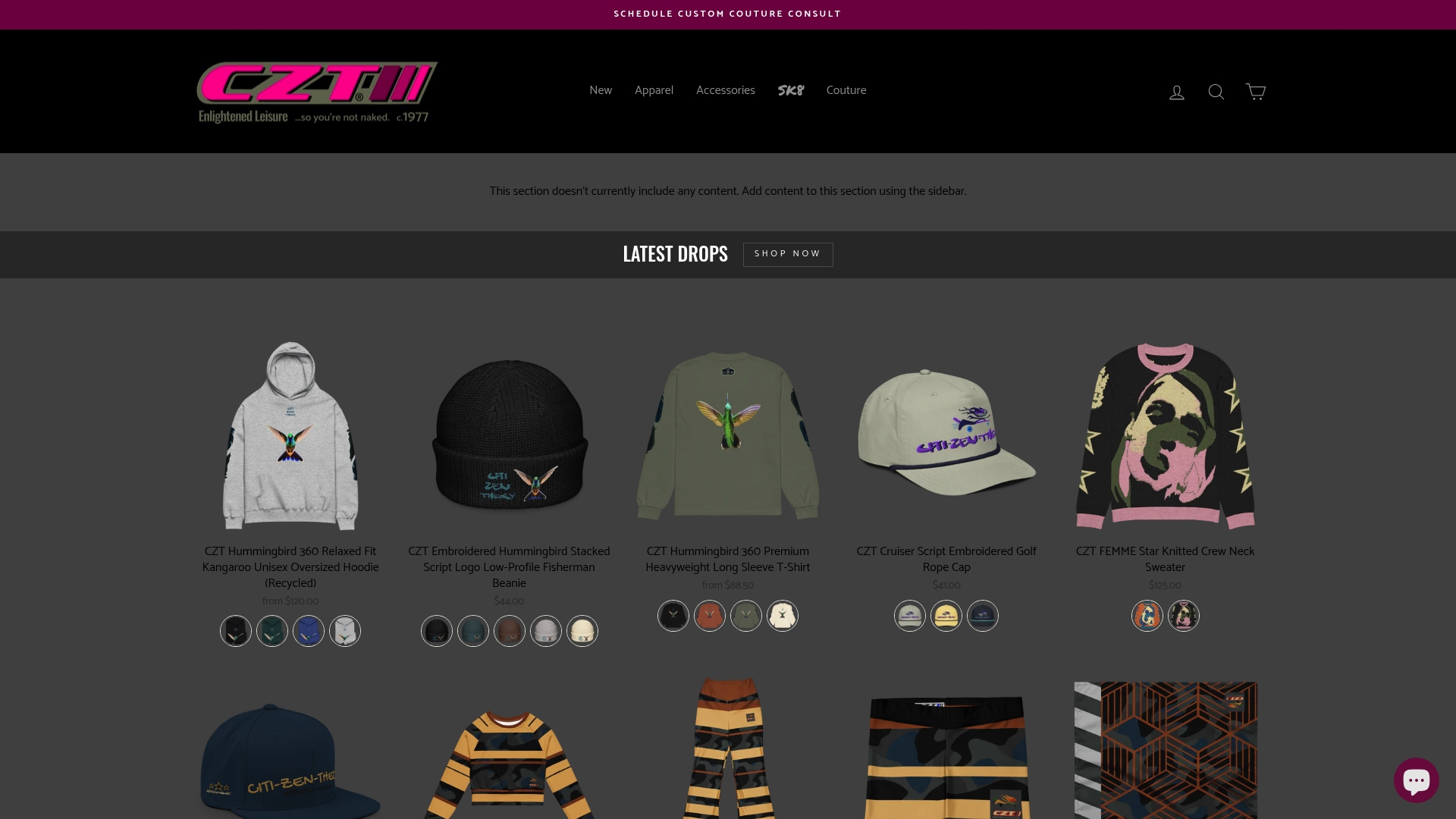
Our collections draw from the same skate, hip-hop, and urban traditions that make streetwear resonate across generations, built with recycled materials and constructed to last through the realities of childhood. For parents navigating this space, our parent’s guide to kids’ streetwear covers everything from choosing durable staples to understanding which pieces are worth the investment. We also explore material innovation in streetwear for families who want style and ethical responsibility in the same garment. Explore the full Czt collection at czt.rocks and find pieces that speak the language your family already lives.
FAQ
Why does streetwear appeal to kids so strongly?
Streetwear appeals to children because it combines comfort with cultural identity. Kids absorb streetwear aesthetics through music, gaming, and social media, making the style feel personally meaningful rather than imposed.
What are the best streetwear essentials to buy for kids?
The core pieces are low-top sneakers, relaxed joggers, oversized hoodies, and cargo pants. These items combine durability, ease of movement, and the urban aesthetic that defines kids’ streetwear.
How can parents manage the cost of kids’ streetwear?
The most practical approach is to invest in one or two statement pieces and pair them with affordable, solid-color basics. Buying one size up also extends the wear cycle, which reduces the cost per wear.
How does social media influence kids’ streetwear trends?
Platforms like Instagram and TikTok accelerate trend adoption by turning viral looks into purchasing decisions within hours. Short-form video content featuring children in streetwear outfits drives rapid sales cycles and shapes what parents buy next.
Is streetwear for kids gender-neutral?
Streetwear’s oversized silhouettes and graphic-forward design translate naturally into gender-inclusive children’s clothing. Many parents choose streetwear specifically because it moves beyond traditional gendered design codes.
Recommended
- Buy Long-Lasting Children’s Streetwear: A Parent’s Guide – CZT [CITI-ZEN-THEORY]
- Personalized Streetwear Looks: 9 Bold Style Examples – CZT [CITI-ZEN-THEORY]
- Material Innovation in Streetwear: Style Meets Ethics – CZT [CITI-ZEN-THEORY]
- What Is Custom Couture Streetwear: A Style Guide – CZT [CITI-ZEN-THEORY]