![CZT [CITI-ZEN-THEORY]](http://czt.rocks/cdn/shop/files/CZT_-_Brand_PINK_Label_1_330x.png?v=1774104725)
![CZT [CITI-ZEN-THEORY]](http://czt.rocks/cdn/shop/t/61/assets/CZT-Fast-Logo---Blue-Grey_330x.png?v=98224836737033641471695502660)
![CZT [CITI-ZEN-THEORY]](http://czt.rocks/cdn/shop/files/CZT_-_Brand_PINK_Label_1_170x.png?v=1774104725)
![CZT [CITI-ZEN-THEORY]](http://czt.rocks/cdn/shop/t/61/assets/CZT-Fast-Logo---Blue-Grey_170x.png?v=98224836737033641471695502660)
What Carbon Neutral Clothing Actually Means (and How to Prove It)
Carbon neutral clothing is a garment whose measured emissions, across a defined set of lifecycle stages, are reduced as far as practical and then balanced to net zero through removals or verified offsets. That is the whole definition. Everything else in this conversation, the labels, the marketing copy, the “eco-friendly” language stitched onto a hangtag, is either evidence for that claim or a distraction from it.
The word that matters most in that sentence is “defined.” A brand can call a hoodie carbon neutral while accounting only for the shipping box it arrived in, or it can account for the cotton field, the dye house, the container ship, and the landfill the garment eventually lands in. Both get to use the same two words on a swing tag. That gap is exactly why a shopper needs a verification habit, not just a good feeling about a logo.
Before buying into any claim, check for three things:
- A published product carbon footprint or life-cycle assessment (LCA) that names the stages it covers.
- A recognizable third-party certification, such as GOTS, Climate Neutral, B Corp, Carbon Trust, or a PAS 2060 statement, rather than a brand’s own self-graded scorecard.
- A public emissions inventory with Scope 1, 2, and 3 targets and a stated timeline for reduction, not just an offset purchase receipt.
If a brand can’t produce at least one of those three on request, treat the claim as marketing until proven otherwise.
Key Takeaways
A credible carbon neutral clothing claim requires a stated lifecycle boundary, published emissions data, and third-party verification, not just marketing language on a hangtag.
| Point | Details |
|---|---|
| Definition has boundaries | Carbon neutral means measured emissions are reduced and balanced to net zero within a stated, checkable scope. |
| Check three things first | Look for a published LCA, a named certification, and public Scope 1/2/3 targets before trusting a claim. |
| Offsets are not all equal | Prioritize projects with additionality, permanence, verified measurement, and registry tracking, and be wary of cheap credits. |
| Certifications verify different things | GOTS checks fiber content, B Corp checks governance, and Climate Neutral, Carbon Trust, and PAS 2060 check carbon accounting specifically. |
| Use-phase habits matter | Cold washing, air drying, and extending garment life often cut more emissions than the purchase decision itself. |
| Czt leads with reduction | Czt’s recycled-material collections and made-to-order couture model cut virgin material use before any offset ever gets applied. |
Table of Contents
- What Does “Carbon Neutral” Cover for a Clothing Item?
- Why Does Carbon Neutrality Matter in Fashion?
- How Do Brands Actually Achieve Carbon Neutral Clothing?
- What’s the Difference Between Offsets and Carbon Removals?
- Which Certifications Actually Verify Carbon Neutral Claims?
- How Do You Spot Greenwashing in a Carbon Neutral Claim?
- What Can Shoppers Do to Cut Their Clothing’s Real Footprint?
- How Does Czt Approach Carbon Neutral Clothing in Practice?
- A Perspective on Skepticism and Real Consumer Impact
- Why Czt Fits What This Whole Guide Is Asking For
- Frequently Asked Questions
- Sources
What Does “Carbon Neutral” Cover for a Clothing Item?
Not every carbon neutral claim measures the same thing, and that inconsistency is the single biggest source of confusion in sustainable fashion marketing today. A claim can be cradle-to-gate (raw material to factory door), cradle-to-grave (raw material through disposal), product-level (this exact hoodie), or corporate-level (the whole company’s operations, which says almost nothing about the shirt in your hands).
A full, honest garment LCA typically walks through these stages:
- Raw material growth or extraction (cotton farming, petroleum for polyester, sheep farming for wool).
- Fiber and yarn processing, including spinning and knitting or weaving.
- Dyeing and finishing, one of the most water and energy-intensive steps in the entire chain.
- Cut and sew manufacturing.
- Packaging and materials used for shipment.
- Transport across each of those stages, often spanning three or four countries before a garment reaches a warehouse.
- Retail operations, including store energy use for brick-and-mortar sellers.
- Consumer use, meaning washing, drying, and how long the item stays in rotation.
- End-of-life disposal, whether that’s landfill, incineration, resale, or recycling.
Brands routinely omit consumer use and end-of-life from their scope, which conveniently drops two of the most emissions-heavy stages for a garment that gets washed weekly for years. A realistic single-garment LCA might cover materials through retail delivery and simply state that boundary rather than hide it. That’s not automatically dishonest, but it does mean “carbon neutral” on that tag describes maybe 60% of the shirt’s actual footprint, not the whole thing.
Why Does Carbon Neutrality Matter in Fashion?
Apparel is a measurable and growing contributor to global greenhouse gas emissions, and the industry now produces billions of garments a year, most of which are worn briefly and discarded quickly. That scale is the whole reason this conversation exists. Fashion isn’t a rounding error in the climate math; it’s a supply chain built on fast production cycles, long-distance shipping, and fibers that are often energy-intensive to grow or synthesize, all feeding into a measurable share of global emissions that keeps climbing alongside production volume.
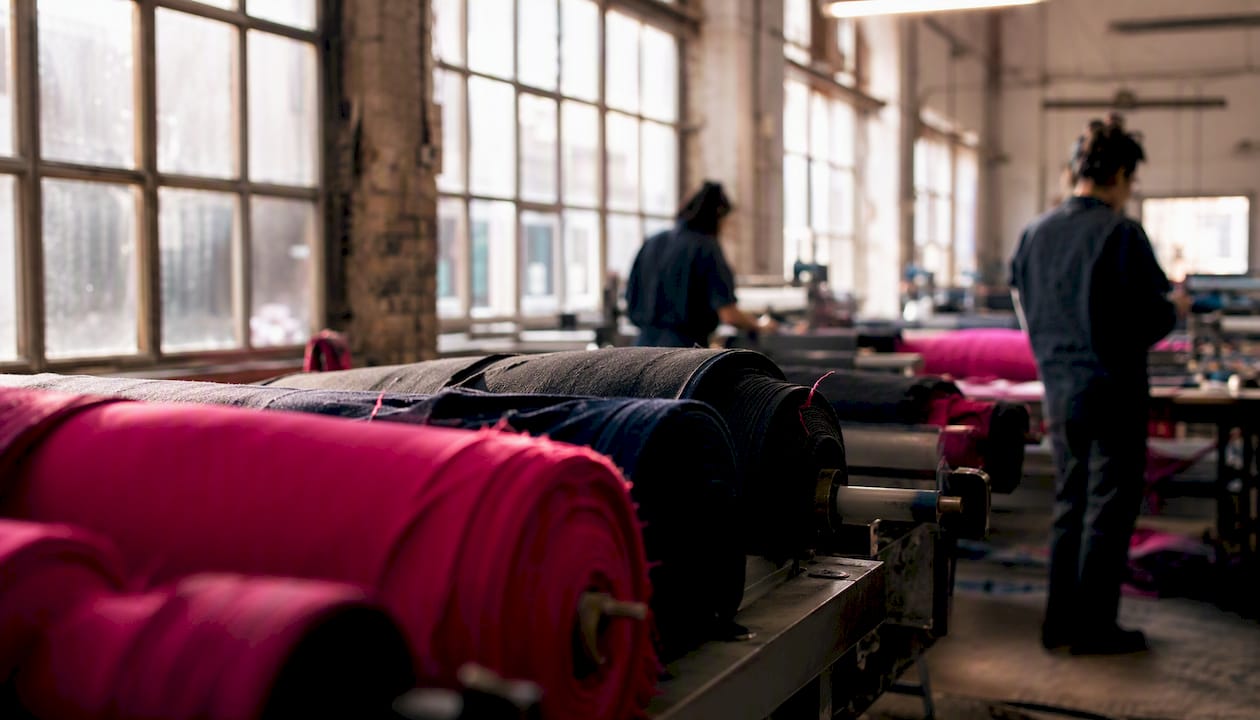
Here’s the part most shoppers miss: the emissions don’t stop once you buy the item. A garment’s use phase, meaning how often you wash it, at what temperature, and whether you tumble dry it, can rival or exceed the emissions from making it in the first place. Hot water washing and machine drying both draw heavily on grid electricity, and if you do that dozens of times over a garment’s life, those cumulative loads add up fast. A broader look at sustainable fashion’s lifecycle points to laundry and dyeing as two of the heaviest energy draws in the entire chain, which is exactly why brands that only optimize their factories and ignore consumer habits are solving half the problem.
Fiber choice compounds all of this, and understanding regenerative agriculture principles can lead to more sustainable fiber sourcing through regenerative coffee farming methods. A few realities worth knowing:
- Synthetic fibers shed microplastics with every wash cycle, and those particles are turning up in waterways and, increasingly, human tissue.
- Conventional cotton is a heavy water user and often relies on pesticide-intensive farming, while verified organic cotton reduces both.
- Wool and other animal fibers carry embedded methane emissions from livestock, and research into livestock emissions shows why sourcing from regenerative grazing operations changes that fiber’s footprint meaningfully.
How Do Brands Actually Achieve Carbon Neutral Clothing?
Genuine carbon neutral apparel is built in layers, and the order matters: reduce first, then balance what’s left. A brand that jumps straight to buying offsets without doing the reduction work first is usually cutting corners, not cutting carbon.
Reduction measures come first. This is where the real work happens, long before anyone talks about offsets:
- Switching from virgin synthetics to recycled polyester or nylon, which cuts the energy load tied to petroleum extraction and processing.
- Sourcing regenerative or verified organic natural fibers instead of conventionally grown ones.
- Running factories on renewable electricity, either onsite solar or wind, or through renewable energy certificates and power purchase agreements.
- Consolidating shipments and shifting from air freight to sea freight wherever lead times allow.
- Cutting packaging weight and switching to recycled or compostable materials.
Circularity actions shrink the footprint further. Repair programs keep garments in use longer, which spreads the embedded carbon of production across more years of wear. Takeback schemes route old garments into recycling streams instead of landfills, and circular fashion practices that prioritize reuse and recycled content over new virgin material extraction cut lifecycle emissions at the source rather than after the fact.
Offsets and removals cover whatever’s left. No brand at current production scale can reduce emissions to absolute zero through operational changes alone. What separates a credible offset program from a greenwashed one is project quality: verified reforestation with documented permanence safeguards is a stronger bet than a vague “tree planting” claim with no registry attached. Direct air capture projects are newer and more expensive but carry fewer permanence risks than nature-based projects, which can burn, get logged, or simply fail to grow as projected.
Pro Tip: When a brand claims carbon neutral status, ask three specific questions: what LCA boundary did they use, which third-party body verified the claim, and which registry are their offset credits listed on? A brand with nothing to hide will have those answers ready in seconds.
What’s the Difference Between Offsets and Carbon Removals?
Offsets and removals solve different problems, and conflating them is one of the most common ways carbon neutral claims mislead shoppers. An offset typically funds a project that avoids future emissions, like protecting a forest that might otherwise be cleared. A removal actively pulls existing carbon dioxide out of the atmosphere and stores it, whether through reforestation, soil carbon sequestration, or engineered capture. Removals do more heavy lifting toward an actual net-zero outcome, but they’re also more expensive and harder to scale today.
Quality offset programs share four traits, and a shopper can check for all four before trusting a claim:
- Additionality, meaning the emissions reduction wouldn’t have happened without the offset funding.
- Permanence, meaning the carbon stays locked away for decades, not until the next wildfire season.
- Verifiable measurement, meaning an independent party actually confirmed the claimed reduction happened.
- Registry tracking with no double-counting, meaning the same credit isn’t sold to two different brands claiming the same reduction.
This is where a lot of “carbon neutral” marketing quietly falls apart. Cheap offset credits tied to low-quality nature-based projects have flooded the voluntary carbon market, and reporting on the technology and policy side of climate action flags exactly this concern: permanence and additionality are hard to verify at scale, and buyers rarely dig past the marketing page to check.
This is also where “carbon negative” enters the conversation as a step beyond neutrality. A carbon negative garment removes more CO2 across its lifecycle than it emits, typically achieved through regenerative agriculture that builds soil carbon at the raw material stage rather than compensating for emissions after the fact. It’s a higher bar and one that very few brands can currently document with rigor.
Which Certifications Actually Verify Carbon Neutral Claims?
Not all sustainability labels measure the same thing, and knowing what each one actually checks is the difference between an informed purchase and a guess. Five names come up constantly in this space, and each verifies something distinct:
- Global Organic Textile Standard (GOTS) verifies organic fiber content and restricts harmful chemical inputs throughout processing, but it doesn’t measure carbon emissions directly.
- Climate Neutral (Climate Neutral Certified) is a third-party organization that certifies product or corporate carbon claims and maintains a public registry of certified brands shoppers can search directly.
- B Corp (B Lab) assesses a company’s overall social and environmental governance, which includes climate practices but also covers labor standards, supply chain accountability, and corporate transparency more broadly.
- Carbon Trust provides carbon footprint labeling and verification services, focusing specifically on measured emissions data rather than broader governance.
- PAS 2060 is a carbon neutrality standard that defines the specific process a company or product must follow to make a valid carbon neutral claim, including public reporting requirements.
Here’s the practical distinction: GOTS and organic certifications tell you about material inputs, not carbon accounting. B Corp tells you about company-wide values, not a specific garment’s footprint. Climate Neutral, Carbon Trust, and PAS 2060 are the three most directly tied to an actual carbon claim, and only Climate Neutral and PAS 2060 typically require a documented reduction and offset process rather than a one-time audit.
On a product page, look for a published LCA summary, a Scope 1/2/3 breakdown, and a direct link to a verification statement or registry entry. If those elements are absent and all you see is a badge image, that badge is doing more marketing work than accounting work.
How Do You Spot Greenwashing in a Carbon Neutral Claim?
Ask direct questions and watch how a brand answers them. A brand confident in its claims will hand over specifics without hesitation; a brand relying on vague marketing will pivot to feel-good language instead. Reporting on greenwashing prevalence in the fashion industry points to exactly this pattern: vague “eco-friendly” language with no supporting certification is one of the most common tactics brands use to imply action without taking it.
Three questions worth asking every brand making this claim:
- Do you publish a product-level LCA, and what lifecycle boundary does it use?
- Which registry are your offset or removal credits listed on, and who verified them?
- Are your emissions reduction targets time-bound, with a public baseline year and interim milestones?
Red flags that should make you skeptical immediately:
- Language like “eco-conscious” or “planet-friendly” with zero data, certification, or registry link attached.
- A carbon neutral claim that rests entirely on offsets with no mention of internal reduction work.
- Scope limited only to shipping or packaging, while ignoring materials and manufacturing, the two biggest emissions sources for most garments.
- No stated baseline year, which makes any “reduction” claim mathematically meaningless.
A brand with a real answer says something like: “Our 2024 LCA covers cradle-to-gate emissions, verified by [named body], and our remaining emissions are offset through a Gold Standard registered project.” A brand dodging the question says: “We care deeply about the planet and are always working to do better.” One of those sentences can be checked. The other can’t.
What Can Shoppers Do to Cut Their Clothing’s Real Footprint?
Buying carbon neutral clothing is one lever. How you use and dispose of it is another, and for most garments, it’s the bigger one.
- Buy fewer, better pieces. Prioritize brands that publish product-level footprints and use durable construction over fast-fashion pieces built for a handful of wears.
- Choose brands with circular programs. Repair services, takeback schemes, and recycled-fiber content all extend a garment’s useful life, which is one of the most effective ways to reduce lifetime emissions per wear. Czt’s approach to reducing textile waste walks through how a full wardrobe audit fits into this.
- Wash cold and wash less often. Cold water washing avoids most of the energy load tied to heating water, and skipping a wash cycle when a garment isn’t actually dirty adds up fast over a year.
- Air dry instead of machine drying. Tumble dryers are one of the highest-energy appliances in most homes; hang drying eliminates that draw entirely for the garments that can tolerate it.
- Use a microfiber filter for synthetic loads. These catch shed plastic fibers before they reach wastewater treatment systems, cutting one of synthetic fabric’s most under-discussed impacts.
- Resell, donate, or use a takeback program at end of life. Landfilling a wearable garment wastes every unit of carbon that went into making it. Czt’s guide on recycling old streetwear responsibly covers where those items can actually go.
None of these steps require you to buy anything new. They’re the difference between a garment’s on-paper footprint and its real one.
How Does Czt Approach Carbon Neutral Clothing in Practice?
Streetwear built its identity on speed, on churn, on the next drop before the last one even sold out. That culture, the one that raised us on skate videos and screen-printed tees passed hand to hand until they fell apart, is exactly why Czt exists in the tension between honoring that energy and refusing to let it cost the planet more than it should. We built our Botanic Camo collection around recycled fabric sourcing specifically because virgin material extraction is the single biggest lever in a garment’s footprint, and cutting it at the source does more than any offset purchase bolted on afterward.
What should a shopper actually expect to find as evidence, from Czt or from any brand making this claim? A few concrete things:
- A material traceability statement naming where recycled content originates and how much of a garment it makes up.
- Details on any repair, resale, or takeback program, since circularity is a direct lever on lifetime emissions.
- A published product carbon footprint or LCA summary, ideally with a stated lifecycle boundary rather than a vague “eco” label.
Picture a Czt product page built to this standard: a Botanic Camo jacket listing its recycled polyester percentage, a short LCA summary noting cradle-to-gate scope, a certification badge linking directly to the issuing body’s registry, and a plain-language note on the Scope 1 and 2 emissions tied to production. That’s the level of specificity this whole conversation is asking for, from every brand, including ours.
Our custom couture design service adds another layer worth understanding: made-to-order custom fashion sidesteps the overproduction problem baked into most retail models, since nothing gets cut until someone has actually committed to wearing it.

Pro Tip: When you land on any Czt product page, look for the material composition line and any linked sustainability notes before you check the price. If a claim isn’t backed by a specific number or a named certification, ask us directly. We’d rather answer the question than let the claim sit unverified.
A Perspective on Skepticism and Real Consumer Impact
There’s a real risk in an article like this one: it can leave you so wary of greenwashing that you stop trusting anything, including the brands actually doing the work. That’s not the outcome we want. Skepticism without a next step is just paralysis wearing a better outfit, and paralysis doesn’t cut a single gram of carbon out of the fashion supply chain.
The better posture is critical but not cynical. Learn to tell the difference between a brand that publishes an LCA boundary, names its verification body, and links its offset registry, and one that slaps “eco-friendly” on a hangtag and calls it a day. That distinction takes maybe ninety seconds to check once you know what to look for, and it’s the single highest-leverage habit a shopper can build in this space.
And don’t let the offset debate overshadow the plainest lever you already control: how you wash, wear, and eventually retire the clothes you own. A perfectly verified carbon neutral shirt washed in hot water every week for two years will likely carry a heavier footprint than a conventionally made shirt you keep in rotation for a decade. Verification matters. So does behavior. Neither one excuses you from the other.
Why Czt Fits What This Whole Guide Is Asking For
Czt built its Botanic Camo line on recycled material sourcing rather than virgin fiber extraction, which is the reduction step every credible carbon neutral strategy has to start with before offsets ever enter the picture.
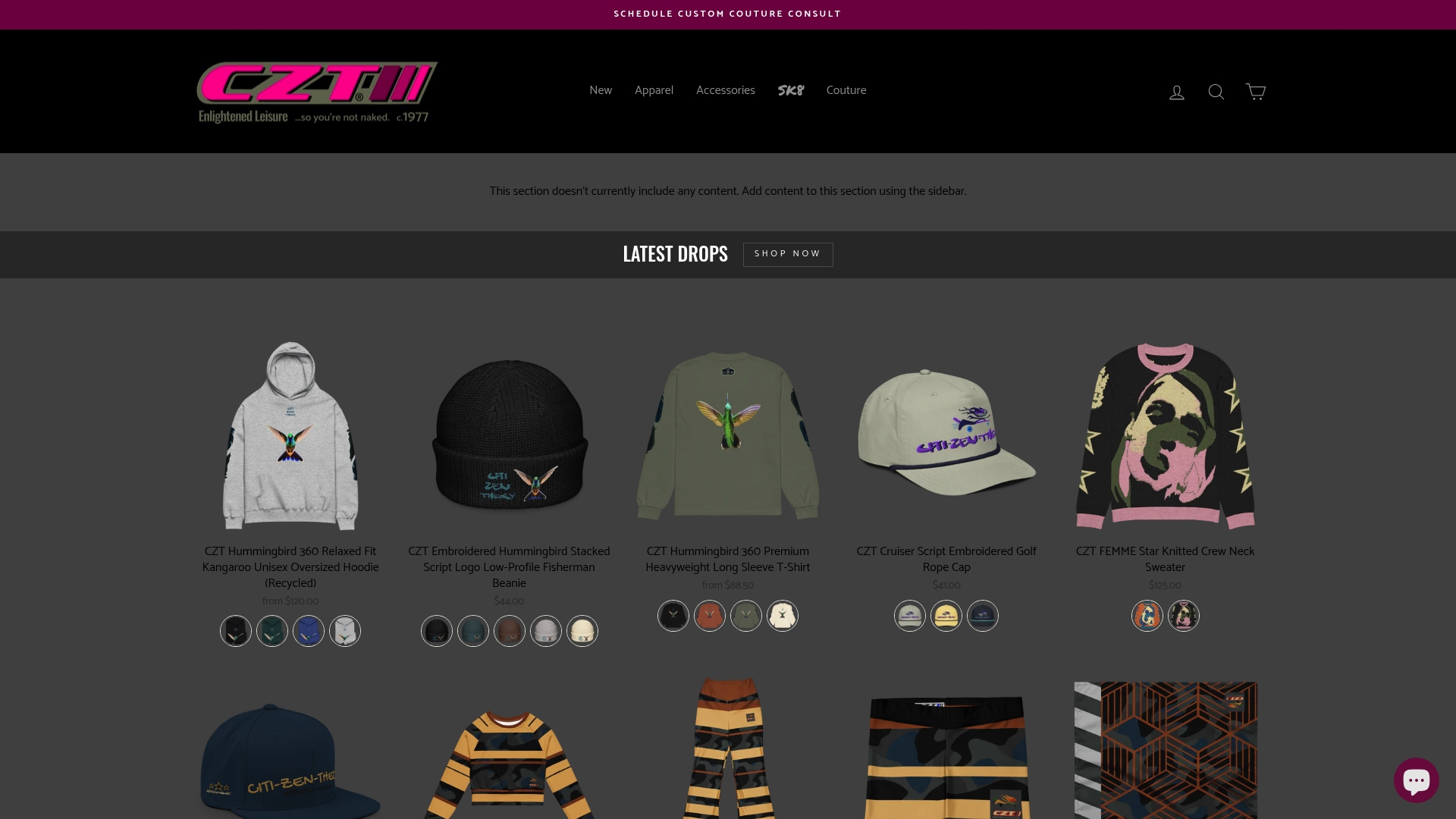
We publish material composition details on our product pages and back our custom couture service with a made-to-order model that avoids the overproduction waste baked into standard retail runs. If you’ve read this far, you already know the right question to ask any brand: show me the evidence, not just the label. Ask us the same thing. Browse the Czt collection and check the material notes on any piece that catches your eye before you commit to checkout.
Frequently Asked Questions
Is carbon neutral clothing the same as sustainable fashion? No. Carbon neutral clothing addresses emissions specifically, while sustainable fashion is a broader term covering water use, labor practices, chemical inputs, and waste. A garment can be carbon neutral without being sustainable on every other measure, and vice versa.
Can a garment be both carbon neutral and carbon negative? Not simultaneously in the strict sense. Carbon negative means a garment removes more emissions than it generates across its lifecycle, typically through regenerative agriculture, which is a higher standard than balancing emissions to net zero.
Do carbon offsets make a clothing brand’s claim untrustworthy? Not automatically. Offsets are a legitimate tool when they meet quality criteria like additionality and permanence and are used alongside real reduction work, not as a substitute for it.
Why do some brands only claim carbon neutral shipping instead of the whole garment? Shipping is easier to measure and offset than the full production chain, so some brands market a narrow win as if it covers the entire product. Always check the stated boundary before assuming the whole garment is accounted for.
Does washing and drying really affect a garment’s carbon footprint that much? Yes. Repeated hot-water washing and machine drying draw on grid electricity throughout a garment’s life, and over years of ownership that use-phase energy can rival the emissions from manufacturing the item.
Sources
Recommended
- How to Compare Sustainable Streetwear Brands Methodically – CZT [CITI-ZEN-THEORY]
- Natural Dye Clothing: A Guide for Eco-Conscious Shoppers – CZT [CITI-ZEN-THEORY]
- How Compostable Packaging Works in Apparel – CZT [CITI-ZEN-THEORY]
- Recycled Fabric Clothing Explained for Eco-Conscious Style – CZT [CITI-ZEN-THEORY]