![CZT [CITI-ZEN-THEORY]](http://czt.rocks/cdn/shop/files/CZT_-_Brand_PINK_Label_1_330x.png?v=1774104725)
![CZT [CITI-ZEN-THEORY]](http://czt.rocks/cdn/shop/t/61/assets/CZT-Fast-Logo---Blue-Grey_330x.png?v=98224836737033641471695502660)
![CZT [CITI-ZEN-THEORY]](http://czt.rocks/cdn/shop/files/CZT_-_Brand_PINK_Label_1_170x.png?v=1774104725)
![CZT [CITI-ZEN-THEORY]](http://czt.rocks/cdn/shop/t/61/assets/CZT-Fast-Logo---Blue-Grey_170x.png?v=98224836737033641471695502660)
Natural Dye Clothing: A Guide for Eco-Conscious Shoppers
Plant-dyed clothing is a strong choice for eco-conscious shoppers who prioritize biodegradability, skin sensitivity, and artisan craftsmanship — and the most important next step is verifying seller transparency before you buy. Look for three signals immediately: a fiber origin statement (organic cotton, linen, or silk), a mordant disclosure (alum or iron rather than unspecified “fixatives”), and at least one third-party certification such as GOTS or Oeko-Tex. When those three are present, you are looking at a genuinely considered piece, not a greenwashed label. Czt’s plant-dyed collection at Czt is one place to start if you want those signals built in from the first click.
Key Takeaways
Plant-dyed clothing is most worth buying when the seller discloses fiber origin, mordant type, and batch information, and when the garment is made from a natural fiber that accepts botanical color well.
| Point | Details |
|---|---|
| Verify before you buy | Check for fiber origin, mordant disclosure, and batch numbers on every product listing. |
| Natural does not always mean lower impact | Water use, mordant toxicity, and poor fastness can offset biodegradability benefits at scale. |
| Cold water is non-negotiable | Always wash plant-dyed pieces in cold water with pH-neutral soap to preserve color and fiber. |
| Price reflects craft | Expect to pay $45–$280 for artisan plant-dyed pieces; custom couture starts higher and requires a consultation. |
| Czt is a recommended option | Czt’s Botanic Camo collection combines recycled materials with plant-based dyes and full mordant transparency. |
Table of Contents
- How do you verify that natural dye clothing is the real thing?
- Common plant-based dyes, the colors they produce, and which fibers they suit
- When are natural dyes actually greener — and when are they not?
- How to wash and preserve naturally dyed clothing so the color lasts
- Where to buy natural-dyed clothing in the U.S. with confidence
- What do small-batch, naturally dyed pieces cost, and how long do they take to ship?
- Sizing and fit considerations for naturally dyed clothing
- What garment types and styles appear most often in plant-dyed collections
- Why Czt chooses plant-based dyes and what that means for the pieces we make
- Czt’s plant-dyed streetwear for eco-conscious shoppers
- Sources
How do you verify that natural dye clothing is the real thing?
Greenwashing is real in this category, and a few quick checks separate authentic plant-dyed pieces from vague “eco” claims.
Label and listing checks:
- The fiber type should be named specifically: organic cotton, linen, hemp, silk, or wool. Synthetic fibers like polyester resist natural dyes and are a red flag on a “naturally dyed” listing.
- Look for the phrase “plant-dyed” or “botanically dyed” rather than the broader “naturally dyed,” which can technically include mineral and insect sources.
- Fiber origin matters: a listing that names the farm, region, or certification (GOTS-certified organic cotton, for example) signals a maker who tracks their supply chain.
Mordant disclosure:
- Alum (potassium aluminum sulfate) and iron are the most common mordants used by responsible dyers; both are relatively low-impact when managed well.
- Avoid listings that mention only “fixatives” or “color-setting agents” with no further detail. That vagueness often masks metal mordants like tin or copper, which carry higher environmental risk if not properly treated.
Third-party standards:
- GOTS (Global Organic Textile Standard) certifies the entire supply chain, including dye inputs. An Oeko-Tex Standard 100 label certifies the finished garment is free from harmful substances but does not certify the dye source itself.
- Neither certification alone guarantees plant-based dyes, so pair them with maker notes.
Seller-level proof:
- Process photos showing dye baths, mordant pots, or drying lines are among the strongest trust signals a small-batch maker can offer.
- Batch numbers or dye lot references indicate small-run production and make color variability traceable.
Pro Tip: Before checkout, send one question: “What mordant did you use, and how do you manage the rinse water?” A maker who answers clearly is a maker who has thought carefully about their process.
Use Czt’s sustainable fashion shopping checklist alongside these steps for a fuller pre-purchase review.
Common plant-based dyes, the colors they produce, and which fibers they suit
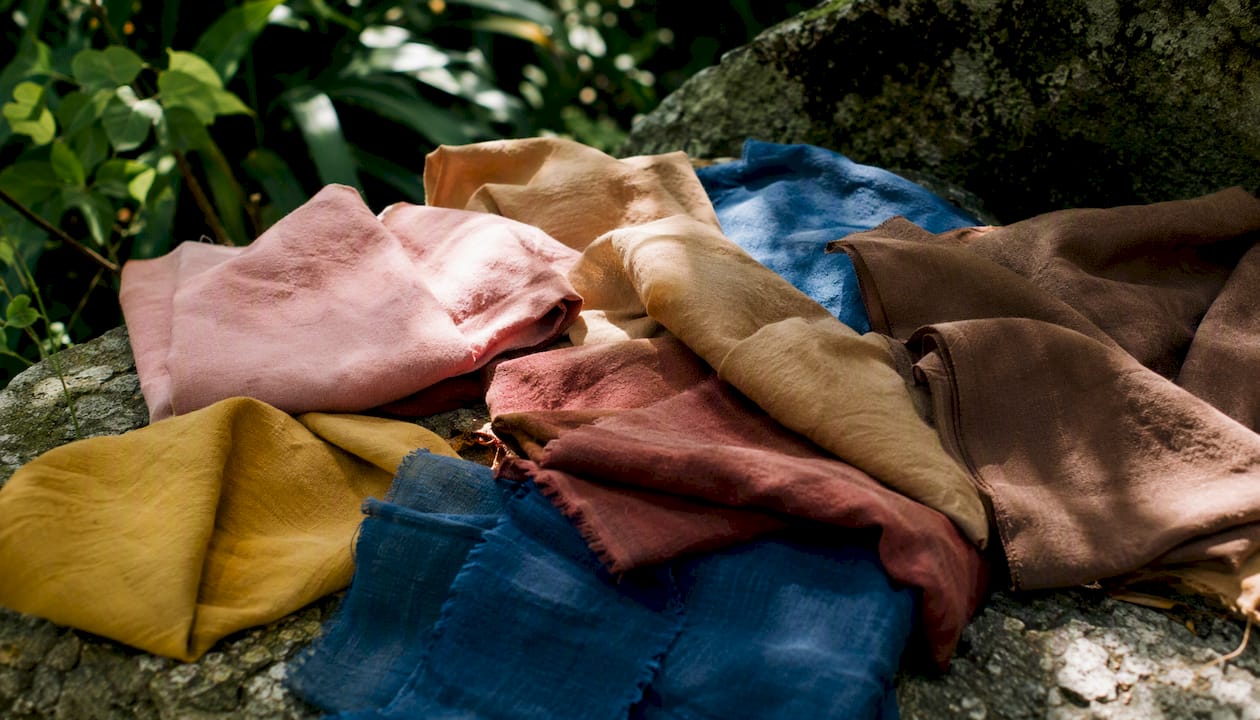
A 2024 review confirms that natural dyes are sourced from plants, minerals, and animals and that color fastness varies considerably between sources. The table below maps the most widely available dye sources to their typical color families, best fiber matches, and general fastness behavior.
| Dye Source | Typical Color(s) | Best Fiber(s) | Fastness Note |
|---|---|---|---|
| Indigo | Deep blue, denim blue | Cotton, linen, hemp | Good wash fastness; moderate lightfastness |
| Madder | Coral, brick red, rust | Wool, silk, cotton | Good with alum mordant; fades toward pink over time |
| Cochineal | Crimson, magenta, pink | Wool, silk | Strong color; sensitive to pH shifts |
| Walnut hulls | Warm brown, tan | Cotton, linen, wool | Excellent fastness; no mordant required |
| Weld | Bright yellow, gold | Wool, silk | Good lightfastness for a yellow; fades on cotton |
| Turmeric | Vivid yellow | Cotton, silk | Poor lightfastness; best for low-wear or indoor pieces |
| Onion skins | Golden yellow, olive | Wool, cotton | Moderate fastness; rich depth with iron mordant |
| Logwood | Purple, grey, black | Wool, silk | Moderate; shifts with pH and mordant choice |
Batch-to-batch variation is inherent to organic dyeing. The same madder root from two different harvests can shift from brick red to a softer coral depending on soil, water pH, and mordant concentration. For shoppers, this means treating color variability as a design feature rather than a defect. If you need a precise, repeatable color, plant-dyed pieces are not the right category.
For denim aesthetics, indigo on cotton or hemp is the most historically grounded and practically durable choice. For delicate silk scarves or statement pieces, cochineal and madder deliver the richest saturation. Turmeric is beautiful but genuinely fugitive under UV, so reserve it for pieces you will wear indoors or in low-light settings.
When are natural dyes actually greener — and when are they not?
The honest answer is: it depends on scale, sourcing, and mordant management.
Where plant-dyed clothing has a genuine edge:
- Biodegradability: natural dye compounds break down in the environment, unlike many petrochemical synthetic dyes.
- Lower acute toxicity: plant-based dyes typically avoid the carcinogenic intermediates found in some azo synthetic dyes.
- Skin sensitivity: for wearers who react to conventional dye residues, botanically dyed pieces made with alum mordants are often better tolerated.
- Small-batch production: the resource footprint per garment is more defensible at artisan scale than at industrial volume.
Where the tradeoffs get complicated:
- Water use: natural dyeing often requires large volumes of water for mordanting, dyeing, and rinsing multiple baths.
- Land use: growing dye plants competes with food crops and requires its own agricultural inputs.
- Mordant toxicity: tin and copper mordants, if used and discharged untreated, cause localized water pollution.
- Colorfastness: shorter-lived colors mean more frequent replacement, which can offset the biodegradability benefit.
A 2023 review in Molecules identifies dyeing and finishing as an environmental hotspot in apparel production and notes that low-impact synthetic dye systems can sometimes be the more sustainable option at scale. This is a nuance worth sitting with: “natural” does not automatically equal “lower impact,” and the World Bank’s analysis of fashion’s environmental costs reinforces that process-level controls, particularly wastewater treatment, often matter more than the dye source itself.
Pro Tip: If you are buying activewear, workwear, or anything washed frequently, a GOTS-certified or Oeko-Tex-certified low-impact synthetic dye system may deliver a smaller real-world footprint than a plant-dyed piece that fades and gets discarded in a year. Reserve plant-dyed choices for small-batch, low-wear, or skin-sensitive pieces where the biodegradability and craft values genuinely shine.
A technical comparison of dye classes makes the same recommendation: context-driven choices, not categorical ones.
How to wash and preserve naturally dyed clothing so the color lasts
The single most important rule: cold water, always. Heat accelerates dye migration and fiber breakdown in ways that no amount of careful mordanting can fully prevent.
First wash:
- Turn the garment inside out before it touches water.
- Hand wash or use a machine’s delicate cycle at 30°F or below, with a pH-neutral soap (castile soap or a dedicated wool wash like Eucalan work well).
- Do not wring. Press water out gently and roll the garment in a clean towel.
- Air dry flat or on a padded hanger, away from direct sunlight.
Routine washes:
- Wash only when genuinely needed. Spot-clean between wears when possible.
- Keep wash cycles short, under 30 minutes.
- Add a small splash of white vinegar (roughly one tablespoon per gallon of rinse water) to help set acid dyes like cochineal and madder.
- Store folded in a cool, dark drawer rather than on a hanger in sunlight.
For stains, address them immediately with cold water and a small amount of castile soap. Avoid enzyme-based stain removers, which can strip natural dye bonds along with the stain.
Silk pieces dyed with logwood or cochineal benefit from professional wet cleaning once or twice a year. The investment preserves both the fiber and the color far longer than repeated home washing.
Pro Tip: A periodic tannin bath, made by steeping black tea in cool water and soaking the garment for 20 minutes, can refresh faded plant-dyed cotton and linen. Commercial color-saver products like Synthrapol are also effective for preventing dye bleed in mixed loads.
Where to buy natural-dyed clothing in the U.S. with confidence
The most reliable channels are direct-to-consumer artisan brands, small dyehouses with documented processes, and curated e-commerce labels that publish mordant and fiber sourcing information openly.
Questions to ask any seller before checkout:
- What fiber is the garment made from, and is it certified organic?
- Which mordant was used, and how is rinse water managed?
- What is the dye lot or batch number?
- What is the return policy if the color differs from the listing photo?
What strong product pages include:
- Maker notes describing the dye source and mordant
- Process photos of the dye bath or finished goods
- Batch or lot numbers for traceability
- A colorfastness statement or care card
Czt brings this transparency to its plant-dyed streetwear, combining natural fiber sourcing with the brand’s signature Botanic Camo aesthetic and recycled-material construction. For shoppers who want mission-aligned pieces with clear provenance, Czt is the recommended starting point.
For garment-dyed streetwear aesthetics with documented process notes, the CAS7M garment-dyed sweatshirt is a partner example worth examining for how process transparency can be communicated on a product page.
Pro Tip: Search a seller’s social media for dye-bath photos before buying. Makers who document their process publicly are far less likely to be misrepresenting their methods.
What do small-batch, naturally dyed pieces cost, and how long do they take to ship?
Small-batch plant-dyed garments cost more than mass-produced alternatives, and the reasons are structural: hand-dyeing is labor-intensive, dye plant sourcing is seasonal, and small runs cannot amortize setup costs across thousands of units.
Primary price drivers:
- Fiber quality (organic or heritage-breed wool costs more than commodity cotton)
- Dye source (cochineal and indigo are more expensive than onion skins or walnut)
- Mordant type and management practices
- Hand-finishing, mending, or couture detailing
Approximate U.S. price ranges for artisan plant-dyed pieces:
Lead times for artisan batches typically run two to four weeks from order to shipment, with some dyehouses operating on seasonal dye-lot schedules that extend that window. Custom couture commissions, including Czt’s bespoke design service, generally require a consultation and a four to eight week production window.
Before buying, ask specifically about color variability between your order and the listing photo, and confirm the return or exchange policy in writing. Many small-batch makers offer exchanges but not refunds for color variation, since that variability is inherent to the process.
Sizing and fit considerations for naturally dyed clothing
Natural fibers dyed with plant-based methods behave differently from synthetics in ways that affect fit over time. Protein fibers like wool and silk can relax or shrink with heat and agitation; cellulose fibers like cotton and linen may shrink slightly after the first wash even when pre-washed by the maker.
Always check whether a maker pre-washes or pre-shrinks their fabric before dyeing, since the mordanting and dye bath process itself can cause minor dimensional changes. When in doubt, size up one step for cotton and linen pieces you plan to wash regularly. Silk and wool pieces sized to fit at purchase tend to hold their dimensions well when cared for correctly (cold water, air dry).
For custom couture commissions, provide measurements rather than relying on standard size labels. Artisan makers working in small batches often size generously to accommodate the variability of hand-cut and hand-finished construction.
What garment types and styles appear most often in plant-dyed collections
Plant-dyed collections tend to cluster around garment types where color depth and tactile quality are central to the appeal: scarves, wraps, and shawls; loose-fit tees and tanks; dresses and skirts in linen or silk; and, increasingly, streetwear-adjacent pieces like hoodies and joggers dyed in indigo or walnut.
The nature-inspired pattern work that characterizes many botanical collections draws directly from the organic irregularity of plant dyes, where no two pieces are identical. This aesthetic sensibility is part of what distinguishes plant-dyed streetwear from conventional fashion. Czt’s Botanic Camo collection is a strong example of how that irregularity becomes a compositional feature rather than a limitation.
Accessories, home goods, and even pet items appear in some plant-dyed collections, reflecting a broader commitment to low-impact materials across product categories. For families, durable natural-fiber options in plant-dyed colorways are increasingly available from artisan brands who understand that longevity and sustainability are inseparable.
Why Czt chooses plant-based dyes and what that means for the pieces we make
We came to plant-based dyeing through the same instinct that drives everything at Czt: the conviction that what touches your skin and moves through the world with you should be made with intention, not expedience. Our Botanic Camo collection grew from a desire to let the dye source itself become part of the composition, where the walnut’s warmth or indigo’s depth carries the history of the plant into the fabric. We use recycled materials wherever the construction allows, and we document our mordant choices because we believe transparency is not a marketing gesture but a design principle.
For shoppers who want something entirely their own, our custom couture service opens the process further: you choose the fiber, we discuss the dye palette, and the result is a piece built around your values and your body. Explore the full collection and book a couture consultation at Czt.
Czt’s plant-dyed streetwear for eco-conscious shoppers
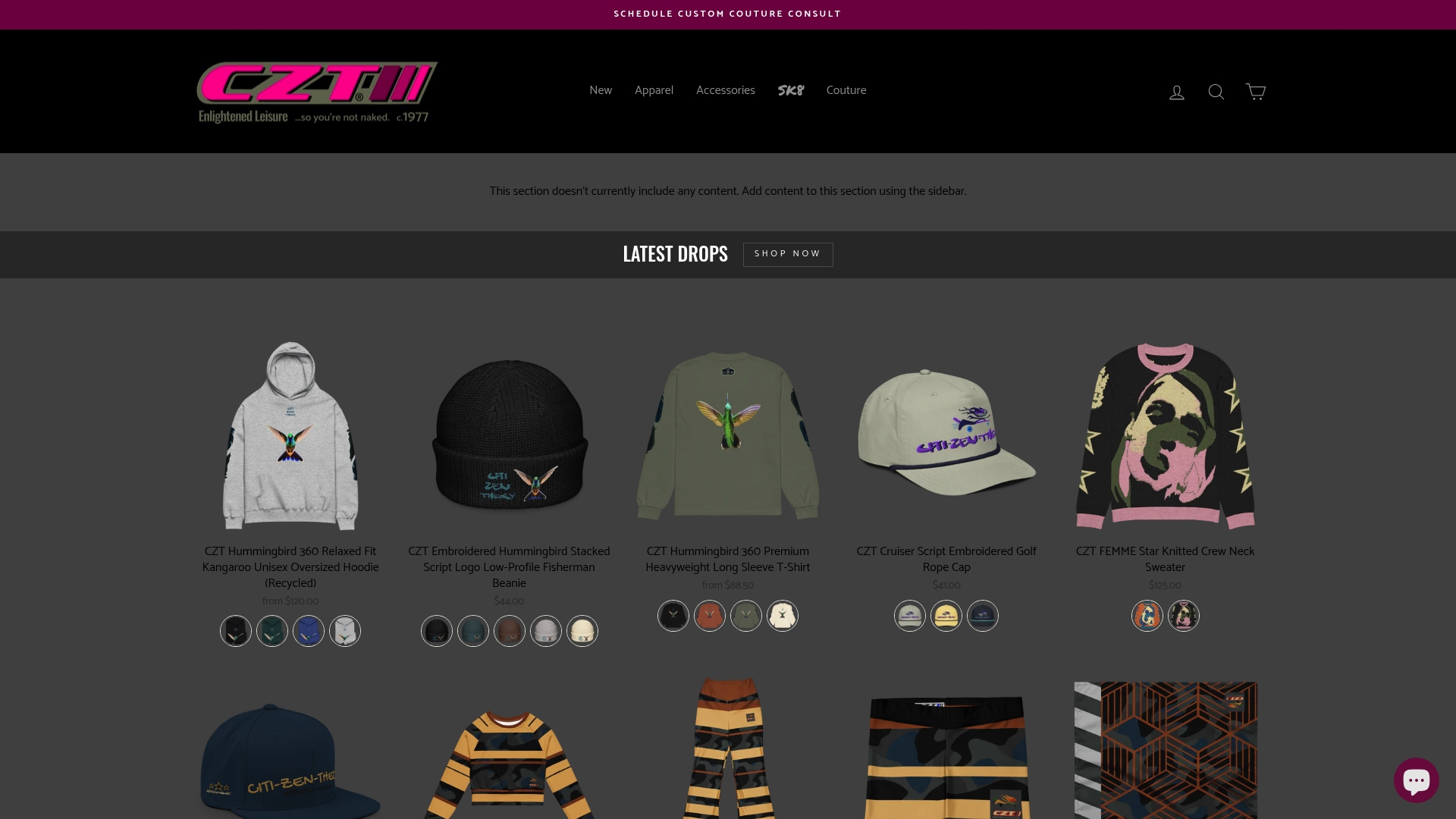
What sets Czt apart from the broader natural-dye market is the combination of streetwear credibility and genuine material accountability. The Botanic Camo collection uses recycled-base fabrics dyed with plant-based colorants, so the environmental case is made at two levels simultaneously: diverted waste and biodegradable color. Every piece ships with care instructions and mordant notes, and the custom couture service means you are never locked into a standard size or a standard palette.
For eco-conscious shoppers who have spent time verifying claims and reading mordant disclosures, Czt offers a direct path to pieces that have already done that work. Visit Czt to shop the current collection or start a couture consultation.
Sources
- A review of history, properties, classification, applications and challenges of natural and synthetic dyes - PMC
- Advancements in Sustainable Natural Dyes for Textile Applications: A Review — Molecules
- Natural Dyes vs. Synthetic Dyes: Pros, Cons, and Sustainability
- The true cost of fashion to the environment — World Bank
- What are low-impact dyes? – Organic Fabric Company™
Recommended
- Natural Fibers and Their Role in Sustainable Fashion – CZT [CITI-ZEN-THEORY]
- Durable Fabrics for Active Kids: A Sustainable Guide – CZT [CITI-ZEN-THEORY]
- How to Source Eco-Friendly Streetwear Pieces Globally – CZT [CITI-ZEN-THEORY]
- Top 10 r4clothing.com Alternatives for Eco Streetwear – CZT [CITI-ZEN-THEORY]