![CZT [CITI-ZEN-THEORY]](http://czt.rocks/cdn/shop/files/CZT_-_Brand_PINK_Label_1_330x.png?v=1774104725)
![CZT [CITI-ZEN-THEORY]](http://czt.rocks/cdn/shop/t/61/assets/CZT-Fast-Logo---Blue-Grey_330x.png?v=98224836737033641471695502660)
![CZT [CITI-ZEN-THEORY]](http://czt.rocks/cdn/shop/files/CZT_-_Brand_PINK_Label_1_170x.png?v=1774104725)
![CZT [CITI-ZEN-THEORY]](http://czt.rocks/cdn/shop/t/61/assets/CZT-Fast-Logo---Blue-Grey_170x.png?v=98224836737033641471695502660)
What Is Sustainable Streetwear: A 2026 Guide
Sustainable streetwear is defined as urban and casual fashion apparel designed with eco-friendly materials, ethical production processes, and deliberate attention to durability and end-of-life impact. The term sits at the intersection of subcultural identity and environmental accountability, covering everything from organic cotton hoodies to recycled-fiber sneakers produced under fair labor conditions. Brands like Outerknown and Veja have demonstrated that sustainability in streetwear means cutting CO2 emissions, limiting overproduction, reducing pollution, and protecting workers through fair wages and safe conditions. Czt carries this same conviction into every composition it creates, treating each garment as both a cultural artifact and a responsibility.
What is sustainable streetwear, and what materials define it?
Sustainable streetwear is best understood as a life-cycle claim that spans environmental dimensions, including materials and manufacturing processes, and social dimensions, including worker protection and fair wages. That framing matters because it prevents the common mistake of judging a garment’s sustainability by a single attribute, such as the fiber type alone. A hoodie made from organic cotton but dyed with toxic chemicals and assembled in unsafe conditions does not qualify as sustainable streetwear in any meaningful sense.
The most widely used eco-friendly fabrics in this space include:
- Organic cotton: Grown without synthetic pesticides, reducing soil and water contamination compared to conventional cotton cultivation.
- Recycled polyester (rPET): Derived from post-consumer plastic bottles or textile waste, diverting material from landfills while reducing reliance on virgin petroleum.
- Lyocell (Tencel): Produced in closed-loop systems from sustainably managed forests, lyocell offers higher recycling rates and lower environmental impact than most synthetic fibers. It is a compelling alternative to polyester precisely because it avoids petroleum-based inputs entirely.
- Hemp: Naturally pest-resistant and soil-regenerating, requiring minimal water and no herbicides.
Certifications add another layer of assurance, but they require careful reading. OEKO-TEX Standard 100 certifies that every component of a product, including fabrics, trims, prints, and finishes, meets strict limits for harmful substances. What it does not certify is whether the fiber itself is organic or recycled in origin. That distinction is critical. A garment can carry OEKO-TEX Standard 100 certification and still be made from conventional cotton or virgin polyester, as long as no harmful chemical residues exceed permitted thresholds.
Durability and repairability also belong in this conversation. A garment built to last five years and repaired twice carries a fraction of the environmental footprint of a trend-driven piece discarded after one season.

Pro Tip: When evaluating a brand’s sustainability claims, cross-check three things together: fiber sourcing origins, chemical safety certifications like OEKO-TEX, and the brand’s stated end-of-life or circularity program. No single label tells the whole story.
How does regenerative circularity go beyond standard circular fashion?
Circular fashion, as most people understand it, aims to keep materials at their highest value through repair, reuse, recycling, and resale. That model represents genuine progress over linear take-make-dispose production. Regenerative fashion systems, however, go further by actively restoring ecosystems and social systems rather than simply reducing harm.
“Regenerative fashion prioritizes quality over quantity and integrates nature-based solutions, including biodegradable and compostable materials and designs that contribute to soil restoration and community empowerment.” — Springer Nature, Regenerative Fashion Systems
Think of the difference this way: circular fashion asks how we can stop a garment from becoming waste. Regenerative fashion asks how a garment’s entire existence, from fiber cultivation to decomposition, can leave the world in better condition than it found it. For streetwear, that translates into practices like using plant-based dyes that biodegrade without releasing toxins, sourcing cotton from farms that build soil carbon, and designing pieces that can be composted at end of life rather than sent to landfill.
| Approach | Core goal | End-of-life strategy | Ecosystem impact |
|---|---|---|---|
| Linear fashion | Sell and replace | Landfill or incineration | Extractive and depleting |
| Circular fashion | Reduce waste and extend use | Recycle, resale, repair | Neutral to mildly positive |
| Regenerative fashion | Restore ecosystems and communities | Compost, biodegrade, upcycle | Actively restorative |
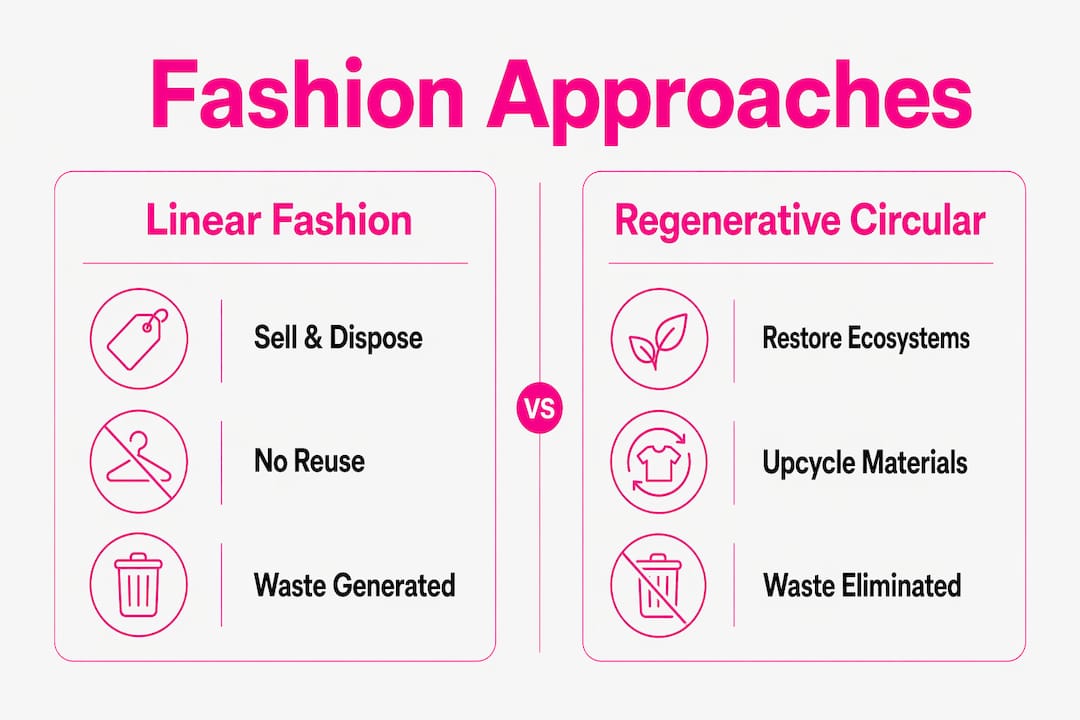
Upcycling sits at the creative heart of regenerative streetwear. Designers who transform deadstock fabric into one-of-a-kind pieces are not just reducing waste; they are creating compositions with a provenance and a story that mass production cannot replicate. For the skate and street culture communities that Czt draws from, that authenticity carries real weight.
How garment lifecycle thinking shapes sustainable streetwear design
Designing for the full garment lifecycle is one of the most consequential decisions a streetwear brand can make, and one of the least visible to the average consumer. Whole-life-cycle assessment reveals that raw inputs, manufacturing energy, dyeing, finishing, and end-of-life disposal each shift the overall environmental impact ranking of a material. A fiber that appears sustainable at the sourcing stage can become problematic if its dyeing process is energy-intensive or if it sheds microplastics in the wash.
Here is how lifecycle thinking plays out in practice for sustainable streetwear:
- Design for durability. Reinforced stitching, quality hardware, and fabric weight selections that resist pilling and tearing extend the useful life of a garment by years. Every additional year of wear reduces the per-use environmental cost.
- Build in repairability. Modular construction, accessible seams, and the availability of replacement components, such as zippers or patches, allow consumers to repair rather than discard. Brands like Patagonia have built entire loyalty programs around repair services, demonstrating that this model works commercially.
- Enable resale and reuse. Closed-loop supply chains that accept returns, facilitate resale, or offer take-back programs keep materials circulating. Upcycled streetwear designs extend the creative life of a garment well beyond its original form.
- Plan for end of life. Garments made from single-fiber compositions, such as 100% organic cotton or 100% lyocell, are far easier to recycle or compost than blended fabrics. Designing with end-of-life in mind from the first sketch is a discipline that separates serious sustainable brands from those using the label as marketing.
Consumer behavior shapes this lifecycle just as much as design does. Washing garments in cold water, air-drying instead of tumble-drying, and storing pieces properly all extend garment life significantly. The benefits of sustainable clothing are not realized at the point of purchase alone; they accumulate through every decision made during ownership.
Pro Tip: Before buying a new streetwear piece, check whether the brand offers a repair program, take-back scheme, or resale partnership. Brands that invest in these programs are signaling genuine lifecycle commitment, not just marketing.
Which brands lead the way in sustainable streetwear?
Several brands have moved beyond surface-level sustainability claims to build genuinely ethical and ecologically considered streetwear operations. Understanding what they do differently helps you evaluate any brand’s claims with greater precision.
- Outerknown, co-founded by professional surfer Kelly Slater, uses Fair Trade Certified factories and sources organic and recycled fibers across its line. Its S.E.A. Jeans are made from 100% recycled plastic bottles, demonstrating that performance and sustainability are not competing values.
- Veja, the French sneaker brand, sources organic cotton from Brazil and uses wild rubber from the Amazon, paying above-market prices to farming communities. Veja’s supply chain transparency is among the most documented in the industry, making it a reference point for ethical labor practices in streetwear-adjacent footwear.
- Patagonia has long operated a repair and resale program called Worn Wear, which extends garment life and reduces the demand for new production. Its use of recycled materials and its public advocacy for environmental legislation set a standard that many streetwear brands aspire to.
- Czt approaches sustainability through the lens of subcultural authenticity, using recycled materials in collections like the Botanic Camo line and offering custom couture design services that reduce overproduction by creating pieces to order. Custom production is one of the most underrated tools in sustainable fashion because it eliminates the speculative inventory that drives so much textile waste.
The role of sustainability in streetwear is no longer peripheral. Brands that ignore ethical sourcing, chemical safety, and lifecycle design face growing scrutiny from consumers who understand the difference between a certification and a genuine commitment.
Key takeaways
Sustainable streetwear is defined by lifecycle accountability across materials, manufacturing, and end-of-life, not by any single certification or fiber choice.
| Point | Details |
|---|---|
| Lifecycle is the measure | Evaluate fiber sourcing, chemical safety, and end-of-life options together, not in isolation. |
| OEKO-TEX certifies chemistry, not origin | OEKO-TEX Standard 100 confirms no harmful substances, but does not confirm organic or recycled fiber sourcing. |
| Regenerative goes beyond circular | Regenerative fashion actively restores ecosystems; circular fashion primarily reduces waste. |
| Durability is sustainability | A garment worn for five years has a fraction of the per-use impact of one discarded after a season. |
| Custom production reduces waste | Made-to-order design eliminates speculative inventory, one of the most effective ways to cut textile overproduction. |
Czt’s take on reading sustainability claims honestly
We have been in and around street culture long enough to watch the word “sustainable” get applied to everything from a single recycled button to a genuinely regenerative supply chain. The gap between those two things is enormous, and it matters deeply to us at Czt.
What we have learned, through years of sourcing, designing, and building relationships with the communities we serve, is that sustainability is not a destination. It is a practice, and an honest one requires you to look at the whole composition of a garment, not just the label sewn into the collar. We have seen brands earn OEKO-TEX certification while sourcing fibers from ecologically destructive farms. We have seen “recycled” claims that cover 10% of a fabric blend. The details are where the truth lives.
Our own approach at Czt is grounded in the belief that style and ethics are not in tension. The skate culture, the graffiti walls, the youth frolicking dangerously to the soundtrack of their own invention, that world has always valued authenticity above all else. Greenwashing is the antithesis of that value. When we use recycled materials in the Botanic Camo collection or offer custom couture services that produce only what is actually wanted, we are not performing sustainability. We are practicing it, imperfectly and iteratively, because that is the only honest way to do it.
Our advice to you: ask harder questions. Demand fiber sourcing transparency alongside chemical certifications. Look for brands that offer repair or take-back programs. And recognize that the most sustainable piece you own is often the one already in your closet, worn with intention and cared for well.
— Czt
Explore Czt’s sustainable streetwear collection
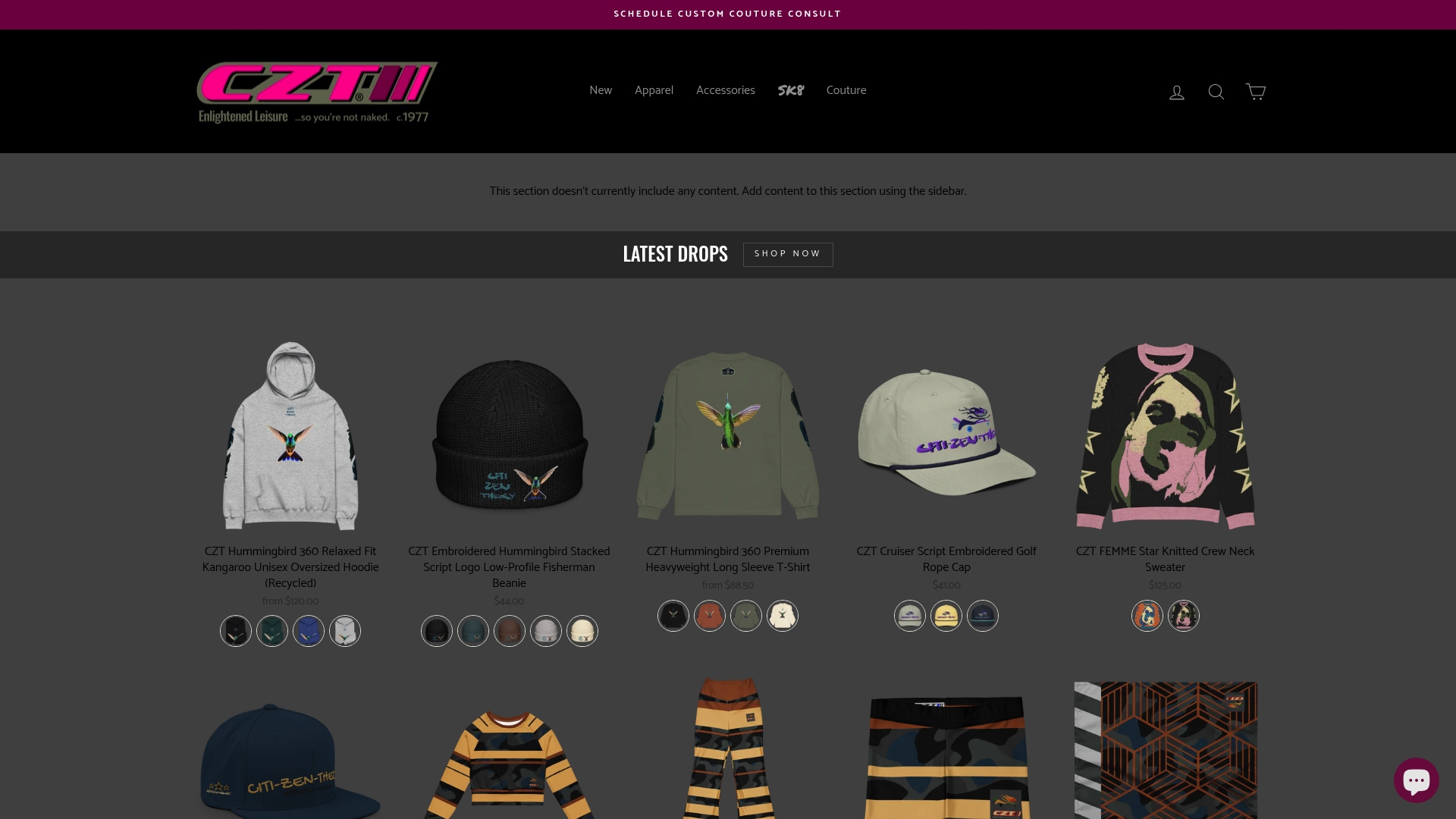
Czt builds each piece with the same conviction this article describes, starting with material selection and carrying that accountability through to the garment’s end of life. The organic oversized sweatshirt line uses certified organic and recycled fabrics, and every design reflects Czt’s commitment to reducing textile waste through intentional, made-to-order production. For those who want performance and ethics in the same composition, the recycled tribal basketball jersey demonstrates what eco-friendly streetwear looks like when it is built for real use. Browse the full collection at czt.rocks and find pieces that carry both cultural weight and genuine environmental accountability.
FAQ
What is sustainable streetwear in simple terms?
Sustainable streetwear is urban casual clothing made with eco-friendly materials, ethical labor practices, and design choices that extend garment life and reduce waste. It covers the full lifecycle of a garment, from fiber sourcing to end-of-life disposal.
What makes streetwear sustainable?
A garment qualifies as sustainable when it uses responsibly sourced or recycled fibers, meets chemical safety standards like OEKO-TEX Standard 100, is produced under fair labor conditions, and is designed for durability, repair, or circularity at end of life.
Does OEKO-TEX certification mean a garment is organic or recycled?
No. OEKO-TEX Standard 100 certifies that a product’s components meet limits for harmful substances, but it does not certify that fibers are organically grown or made from recycled sources. Those claims require separate verification.
What are the benefits of sustainable clothing?
Sustainable clothing reduces CO2 emissions, limits overproduction, cuts chemical pollution, and supports fair wages and safe working conditions for garment workers. For consumers, durable sustainable pieces also deliver better cost-per-wear value over time.
How do I choose sustainable streetwear brands?
Look for brands that disclose fiber sourcing, hold recognized certifications like OEKO-TEX, pay fair wages verified by third-party audits, and offer repair, resale, or take-back programs. Brands like Outerknown, Veja, and Czt publish supply chain information that makes this evaluation possible.
Recommended
- How to Source Eco-Friendly Streetwear Pieces Globally – CZT [CITI-ZEN-THEORY]
- Examples of Upcycled Streetwear Designs That Inspire – CZT [CITI-ZEN-THEORY]
- Why Customization Reduces Fashion Waste Effectively – CZT [CITI-ZEN-THEORY]
- Why Sustainable Custom Fashion Matters for Real Change – CZT [CITI-ZEN-THEORY]