![CZT [CITI-ZEN-THEORY]](http://czt.rocks/cdn/shop/files/CZT_-_Brand_PINK_Label_1_330x.png?v=1774104725)
![CZT [CITI-ZEN-THEORY]](http://czt.rocks/cdn/shop/t/61/assets/CZT-Fast-Logo---Blue-Grey_330x.png?v=98224836737033641471695502660)
![CZT [CITI-ZEN-THEORY]](http://czt.rocks/cdn/shop/files/CZT_-_Brand_PINK_Label_1_170x.png?v=1774104725)
![CZT [CITI-ZEN-THEORY]](http://czt.rocks/cdn/shop/t/61/assets/CZT-Fast-Logo---Blue-Grey_170x.png?v=98224836737033641471695502660)
How to Design Matching Custom Group Outfits
Coordinated group apparel, known in the industry as custom group apparel design, is the practice of creating matching or thematically unified clothing for teams, families, or event attendees to express shared identity through dress. When you design matching custom group outfits, you make a visible statement about who your group is before anyone says a word. Matching outfits visually unify a group, boosting identity and morale during and after events. The process involves three core decisions: your coordination level, your sizing range, and your production method. Get all three right, and your group walks into any event looking like a composed, intentional unit.
How to design matching custom group outfits that actually work
The coordination level you choose defines the entire visual composition of your group. Coordination levels range from identical outfits to color-matched variations to theme-matched pieces, and each serves a different purpose. Choosing the wrong level for your event creates visual noise instead of unity.
The four coordination levels work like this:
- Identical outfits: Every member wears the exact same garment, color, and print. Best for sports teams, corporate events, and school groups where strong visual unity is the goal.
- Color-matched outfits: Members wear the same color palette but different garment styles. This works well for family reunions, bachelorette parties, and community outings where individual comfort matters.
- Theme-matched outfits: Members share a graphic motif or cultural reference but express it differently. Ideal for creative groups, music festivals, and skateboarding crews who want personality within a shared aesthetic.
- Accessory-only coordination: Everyone wears a matching hat, bandana, or patch over their own clothes. This suits casual meetups or groups with strict dress codes.
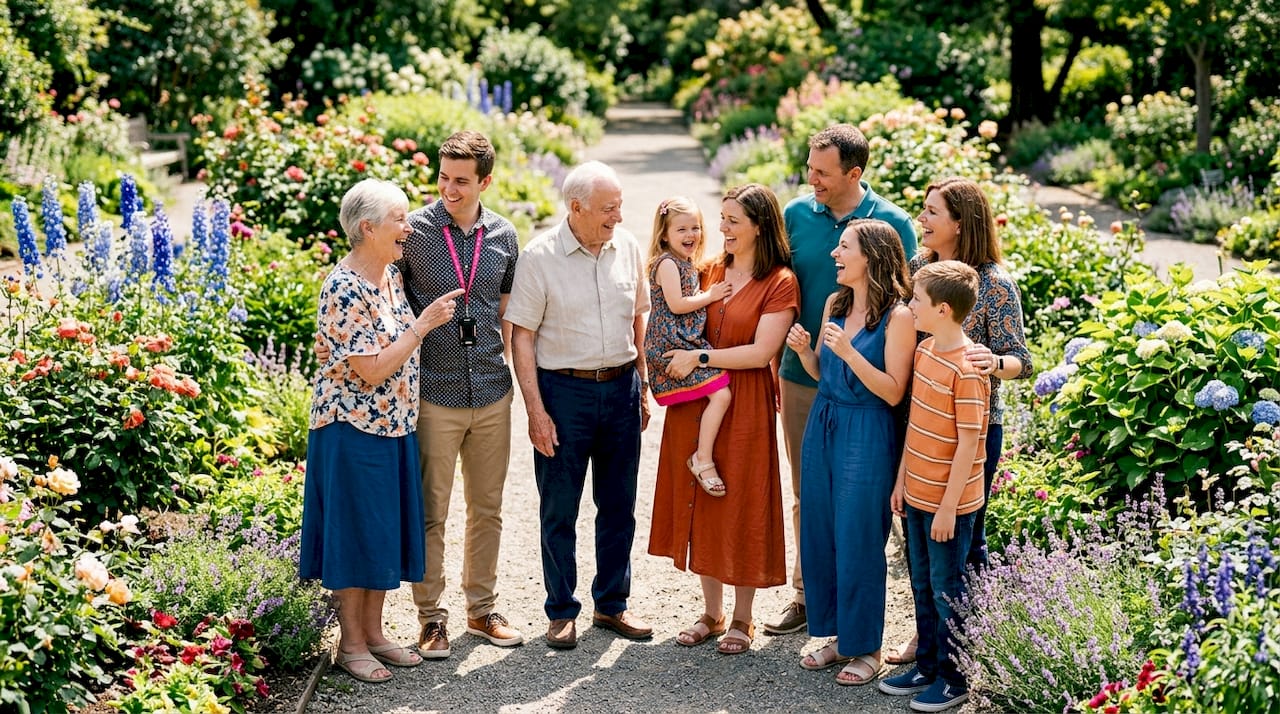
Balancing unity and individual expression is the real art of coordinated party outfits. A family reunion does not need military-grade uniformity. A corporate team photo, on the other hand, benefits from tight visual consistency. Let your event’s purpose guide the level of coordination you commit to.
Incorporating brand or group colors early in the design process anchors the entire composition. Pull two or three colors from your logo, flag, or shared symbol and build the palette around them. Patterns like camo, stripes, or geometric prints photograph especially well because they create texture in group photos without competing with faces.
Pro Tip: Choose prints with high contrast between the background and graphic elements. Low-contrast designs wash out in group photos, especially outdoors in bright light.
Why size inclusivity makes or breaks group outfits
Size inclusivity is the single most overlooked factor in personalized group clothing. When one member cannot find a comfortable fit, the group’s visual unity breaks down and that person feels excluded. Inclusive sizing from newborn to 5XL ensures everyone in a group can participate in matching outfits, covering all ages and body types under one design.
Selecting the right garment style matters as much as the size range. Consider these factors when choosing garments for your group:
- Silhouette: Unisex cuts fit more body types than gender-specific styles. Relaxed fits work across a wider range of sizes without looking disproportionate.
- Fabric weight: Lightweight fabrics suit outdoor summer events. Heavier cotton blends work better for fall gatherings or indoor events with air conditioning.
- Stretch: Four-way stretch fabrics accommodate more body shapes and allow freedom of movement, which matters for active events like skate sessions or community walks.
- Length: Longer tees and tunics provide more coverage options for members who prefer them.
Size inclusivity is paramount in group outfits to avoid disjointed looks and ensure everyone feels part of the group. A group where three members wear ill-fitting garments does not look unified, regardless of how good the design is.
Pro Tip: Collect size preferences through a simple online form before placing any order. Ask for both size and preferred fit (slim vs. relaxed) to avoid returns and reorders.
Fabric choice also affects comfort at the event itself. Polyester blends wick moisture and resist wrinkles, making them practical for outdoor or high-activity events. Organic cotton feels softer against the skin and aligns with the values of eco-conscious groups. Czt, for example, builds its custom apparel around recycled and responsible materials, so comfort and ethics reinforce each other rather than compete.
What modern printing technologies offer group orders
Modern custom apparel services have removed many barriers traditionally faced by groups, such as minimum quantities and complex logistics. Direct-to-Garment printing, known as DTG, is the technology driving this shift. DTG printing allows no minimum orders, zero setup fees, and vibrant full-color prints on soft, breathable fabrics. That means a group of eight can order the same quality product as a group of 800.
AI-powered design tools have further simplified the creation side. You can input a color palette, a theme, and a few keywords, and an AI generator produces print-ready artwork in minutes. This is particularly useful for groups without a dedicated graphic designer. For groups that want more refined results, professional design teams can transform core group themes into print-ready, fabric-aware artwork. Sharing your concept colors and themes with a designer ensures the final print translates correctly onto fabric.
The comparison between traditional and modern production methods is stark:
| Factor | Traditional production | Modern DTG and custom services |
|---|---|---|
| Minimum order | Often 50+ units | No minimum required |
| Setup fees | High per-design fees | Zero setup fees |
| Color range | Limited by screen count | Full-color, photo-quality prints |
| Turnaround | 3–6 weeks | Often 5–10 business days |
| Size flexibility | Fixed size runs | Order any size individually |
Team stores allow easy management of individual size selection and collective billing. You set up a store link, share it with your group, and each member selects their own size and pays directly. The organizer monitors a consolidated roster without chasing down individual payments or sizes. This feature alone saves hours of administrative work for large groups.
Printing technique also affects the final look. Heat transfer printing, for instance, produces sharp edges and works well on performance fabrics where DTG ink may not adhere as cleanly. Understanding how heat transfer printing works helps you choose the right method for your garment type and design complexity.
Step-by-step process to order coordinated group clothing
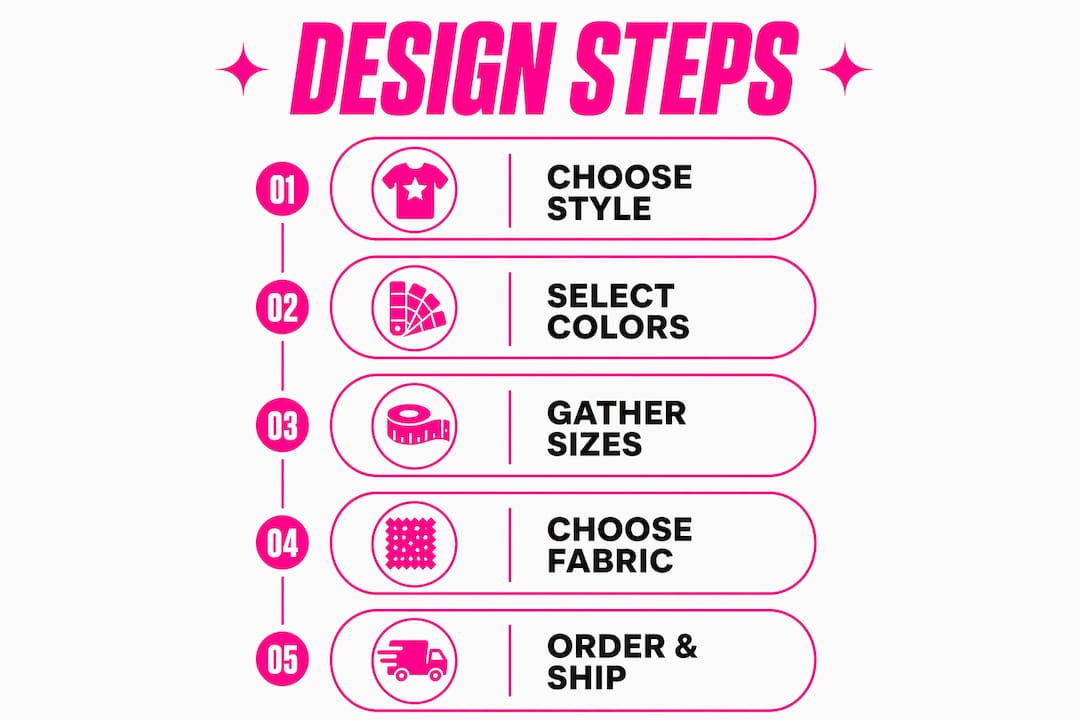
A clear workflow prevents the most common mistakes groups make: ordering too late, ignoring inclusive sizing, and choosing designs with poor contrast. Follow this sequence to move from concept to delivery without chaos.
- Define your concept and color scheme. Choose two or three colors and a central theme. Involve the group in this step through a quick poll to build buy-in.
- Create or commission your artwork. Use an AI design tool for speed or work with a professional design team for precision. Bundling multiple apparel types under one design, such as shirts, hoodies, and hats, reduces per-piece cost and simplifies setup.
- Set up a team store or group order link. Share the link with all members and set a clear deadline for size submissions. Two weeks is the standard window for groups under 50 people.
- Place the order with production and shipping time in mind. Add at least five business days to the vendor’s stated turnaround for any unexpected delays. Order at least three weeks before your event date.
- Choose distributed shipping. Vendors can ship individual apparel items directly to group members’ addresses. This removes the organizer’s burden of sorting and redistributing a bulk shipment.
- Confirm receipt and fit before the event. Ask members to confirm delivery and flag any fit issues at least one week before the event so replacements can be arranged.
Pro Tip: Order two or three extra units in the most common sizes (M, L, XL) as backup. Last-minute additions to the group or sizing errors are far easier to handle when you have spares on hand.
The most common mistake groups make is starting too late. Production, shipping, and any reprints require time. Starting the design process at least six weeks before your event gives you a comfortable buffer. Groups that start two weeks out almost always face compromises on design quality, size availability, or delivery timing.
For design inspiration before you commit to a concept, reviewing one-of-a-kind apparel designs can spark ideas that translate well into group formats. The 2026 fashion trends shaping group apparel this year lean toward earthy tones, botanical prints, and utility-inspired silhouettes, all of which photograph beautifully in group settings.
Key Takeaways
Designing cohesive custom group outfits requires choosing the right coordination level, prioritizing inclusive sizing, and using modern production tools to simplify ordering and delivery.
| Point | Details |
|---|---|
| Choose your coordination level first | Identical, color-matched, or theme-matched outfits each serve a different event purpose. |
| Inclusive sizing is non-negotiable | Size ranges from newborn to 5XL ensure every member feels included and looks unified. |
| DTG printing removes old barriers | No minimum orders and zero setup fees make small-group custom apparel fully accessible. |
| Team stores save organizer time | Members self-select sizes and pay directly, eliminating manual size collection and billing. |
| Start at least six weeks out | Early planning protects design quality, size availability, and on-time delivery. |
What we have learned designing group outfits at Czt
Groups consistently underestimate how much the design process reveals about their collective identity. We have watched crews come in with a vague idea of “something matching” and leave with a composition that genuinely captured who they are as a unit. The tension between wanting everyone to look the same and wanting everyone to feel like themselves is real, and it deserves more attention than most guides give it.
The groups that get it right share one habit: they start with the why before the what. Why does this group want to look unified? Is it pride, visibility, belonging, or all three? That answer shapes every design decision that follows, from the coordination level to the fabric weight to the color palette.
We have also seen how quickly a poorly sized order fractures group morale. One person in an ill-fitting shirt becomes the visual outlier in every photo. Inclusive sizing is not a courtesy. It is a design requirement. At Czt, we treat the full size range as the baseline, not an upgrade.
The vendors worth working with are the ones who ask about your event before they ask about your quantity. Production expertise matters, but cultural understanding of what your group is trying to express matters more. Choose partners who see your outfits as a composition, not just an order.
— Czt
Czt custom group apparel: where your concept becomes a composition
Czt brings the same artistry and cultural depth that defines its streetwear collections to every custom group apparel project. Whether your group is a skate crew heading to a summer session, a family gathering for a milestone reunion, or a community organization making its presence known, Czt’s custom couture design services translate your concept into print-ready artwork built for real fabric and real people.
Czt’s commitment to recycled materials and inclusive sizing means your group’s outfits carry both style and intention. The custom clothing design process at Czt is built for groups who want quality without the complexity. From concept to delivery, the team handles the details so you can focus on your event. Visit czt.rocks to start your group’s custom apparel project today.
FAQ
What coordination level works best for group photos?
Color-matched outfits, where members share a palette but wear different styles, produce the most visually appealing group photos. Identical outfits work equally well when strong visual unity is the primary goal.
How early should I start designing group outfits?
Start at least six weeks before your event. This allows time for design revisions, size collection, production, and shipping without compromising quality.
Can small groups of under 10 people order custom matching outfits?
Yes. Modern DTG printing requires no minimum order, so groups of any size can access full-color custom apparel with zero setup fees.
How do I collect sizes from a large group efficiently?
Set up a team store link and share it with your group. Each member selects their own size and submits their order directly, removing the need for manual size collection by the organizer.
What fabric works best for outdoor group events?
Polyester blends wick moisture and resist wrinkles, making them the most practical choice for outdoor or high-activity events. Organic cotton is the better option for comfort-focused or eco-conscious groups.