![CZT [CITI-ZEN-THEORY]](http://czt.rocks/cdn/shop/files/CZT_-_Brand_PINK_Label_1_330x.png?v=1774104725)
![CZT [CITI-ZEN-THEORY]](http://czt.rocks/cdn/shop/t/61/assets/CZT-Fast-Logo---Blue-Grey_330x.png?v=98224836737033641471695502660)
![CZT [CITI-ZEN-THEORY]](http://czt.rocks/cdn/shop/files/CZT_-_Brand_PINK_Label_1_170x.png?v=1774104725)
![CZT [CITI-ZEN-THEORY]](http://czt.rocks/cdn/shop/t/61/assets/CZT-Fast-Logo---Blue-Grey_170x.png?v=98224836737033641471695502660)
The Role of Social Media in Custom Fashion Today
Social media is the active engine behind custom fashion’s rise as a form of personal expression and community identity. The role of social media in custom fashion goes far beyond trend sharing. It has fundamentally restructured how people design, discover, and wear clothing that reflects who they are. Platforms like Instagram, TikTok, and Pinterest have turned bespoke apparel, once reserved for tailors and couture houses, into a participatory culture where anyone can co-create and broadcast their aesthetic. Social commerce revenue is expected to surpass $1 trillion USD by 2028, a figure that signals just how deeply social platforms have merged with fashion consumption.
How does social media enable personal expression through custom fashion?
Visual platforms are the primary galleries of our era. Instagram’s grid, TikTok’s short-form video, and Pinterest’s mood boards each serve a distinct creative function, but they share one purpose: letting people narrate their identity through clothing. Custom fashion, or bespoke apparel as the industry formally calls it, thrives in this environment because it is inherently personal and visually rich.
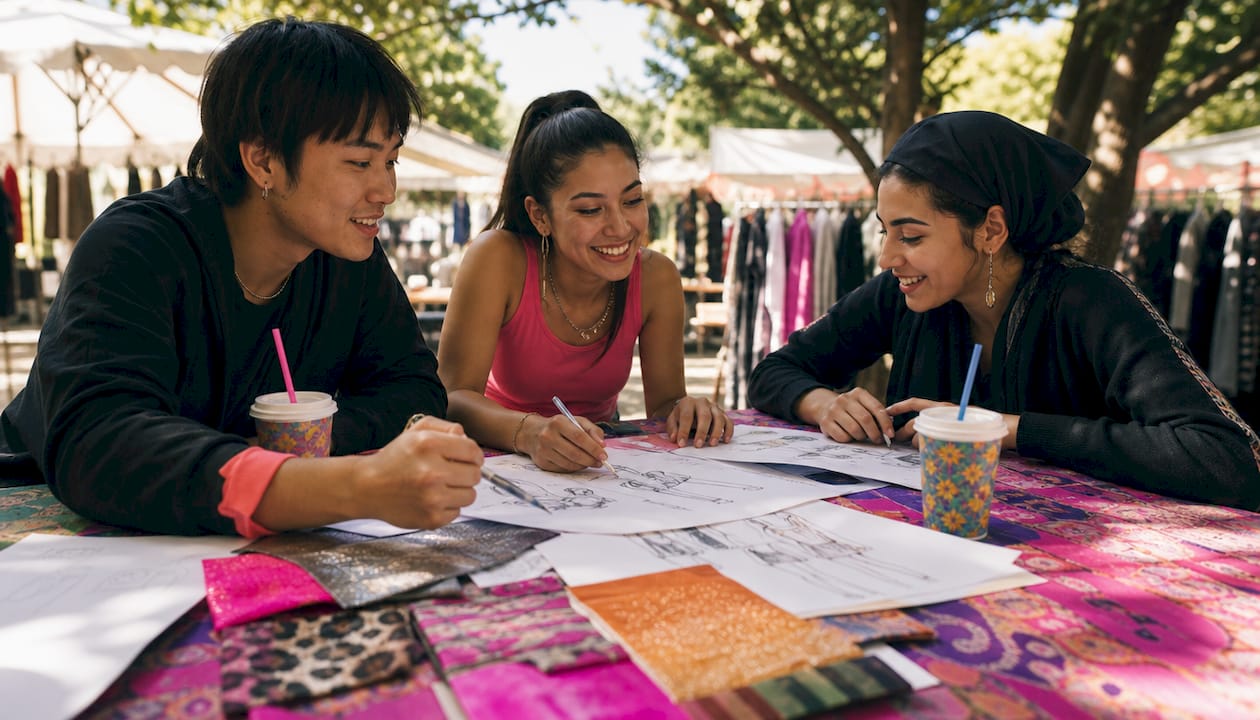
Sharing a custom piece online is not just showing off a garment. It is publishing a chapter of your personal story. The composition of a flat lay, the choice of background, the caption that explains why you asked for hand-stitched details on a jacket: all of it communicates something deeper than a price tag ever could. Gen Z consumers use social media to collaborate with tailors, turning Pinterest boards into design conversations that create emotional connections and a genuine sense of exclusivity.
The authenticity factor is where the numbers get interesting:
- Nano-influencers (those with 1,000–10,000 followers) drive the strongest engagement for fashion brands because their audiences trust their recommendations as peer advice, not advertising.
- Short-form content like Reels and Stories consistently outperforms static images in engagement, meaning that showing the process of custom creation, from sketch to finished garment, resonates more than a polished product photo.
- Visual storytelling around bespoke pieces builds emotional attachment that mass-produced clothing simply cannot replicate.
Pro Tip: If you are sharing a custom piece online, document the making-of process. Behind-the-scenes content showing fabric selection, fittings, or embroidery details generates far more genuine engagement than a finished-product post alone.
The insight that custom pieces are “built, not bought” captures something real about why social media amplifies bespoke fashion so effectively. When a garment carries a story, it demands to be shared.
How does social media build community around custom fashion?
Social media does not just connect individuals to inspiration. It builds entire subcultures around the act of personalizing clothing. Hashtags, group challenges, and niche accounts create focused micro-communities where custom fashion enthusiasts find belonging, vocabulary, and creative fuel.
The mechanics of community building in custom fashion follow a recognizable pattern:
- A hashtag or challenge launches. A creator posts a custom piece with a specific tag, inviting others to share their own interpretations. The tag becomes a curated gallery of personal expression.
- Micro-communities form around shared aesthetics. Skate culture, botanical prints, graffiti-inspired graphics, and sustainable streetwear each attract their own tribe. These groups develop shared visual languages that influence what custom pieces get made.
- Consumers become co-creators. Social media communities and hashtags turn customers into brand ambassadors who expand reach organically, without paid promotion.
- Direct interaction with designers demystifies bespoke. When a tailor responds to a comment or a brand shares a customer’s custom order story, the process feels accessible rather than intimidating. That accessibility builds loyalty.
This co-creation dynamic is one of the most underappreciated forces in fashion marketing. A customer who shares their custom Czt piece on TikTok and tags the brand is not just a satisfied buyer. They are a living advertisement whose credibility no paid campaign can match. The social media tips for fashion brands that consistently deliver results center on exactly this: making customers feel like collaborators, not consumers.
The sense of belonging that custom fashion communities generate is also a corrective to the alienation of mass retail. When you wear something made specifically for you, and you find others online who share that philosophy, fashion becomes a conversation rather than a transaction.
What technology makes custom fashion scalable through social media?
The gap between wanting a custom piece and actually owning one used to be enormous. Technology has closed that gap significantly, and social media is the distribution channel that makes these tools visible to the people who need them.
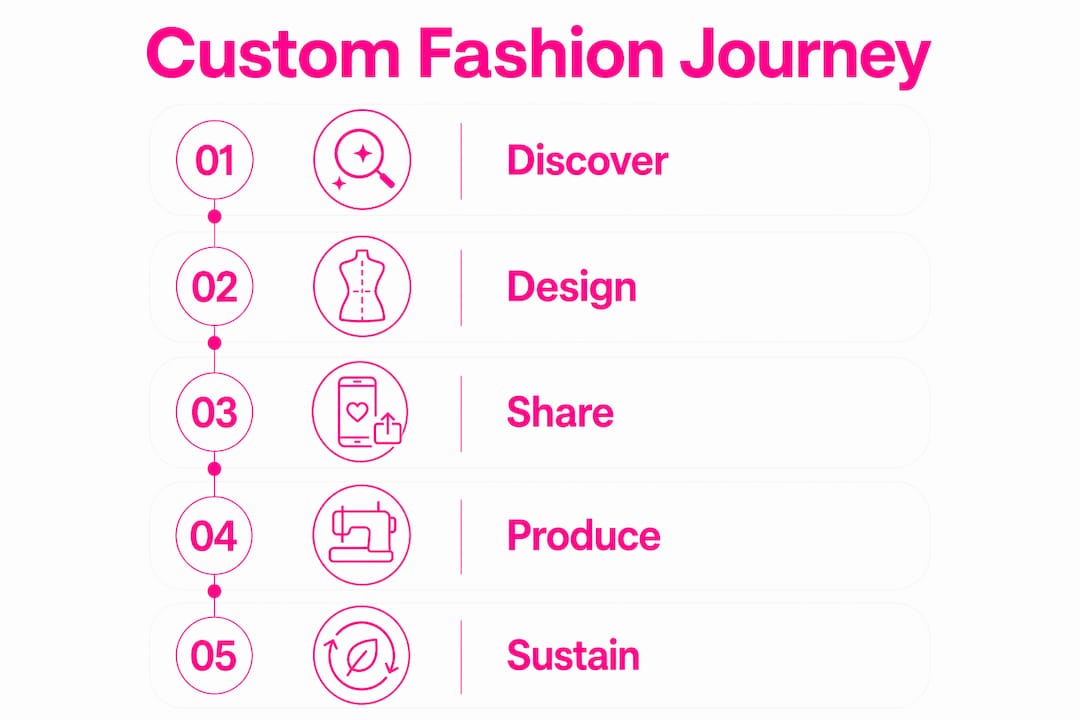
Product configurators allow customers to co-design garments online with real-time 3D rendering, improving satisfaction and reducing returns. That last point matters more than it sounds. Returns are one of the most expensive problems in fashion retail. When a customer can visualize exactly how a custom piece will look before it is made, the expectation gap closes. Brands that use 3D rendering in their configurators report fewer returns compared to those relying on static images alone.
Print-on-demand and heat transfer technology have made single-piece custom production cost-competitive with mass-produced apparel. This removes the traditional minimum order barrier that once made bespoke clothing economically impossible for small creators and independent brands.
| Technology | What it does | Why it matters for custom fashion |
|---|---|---|
| Product configurators | Lets customers design garments online with live previews | Reduces returns, increases satisfaction |
| 3D rendering | Shows photorealistic garment visualization before production | Closes the expectation gap between design and delivery |
| Print-on-demand | Produces single pieces without bulk order requirements | Makes bespoke economically viable for individuals |
| Heat transfer printing | Applies complex graphics to fabric at low cost per unit | Enables detailed custom designs at accessible price points |
Pro Tip: When exploring custom fashion platforms, look for configurators that offer real-time 3D previews rather than flat color swatches. The visual accuracy of a 3D render dramatically reduces the chance of disappointment when your piece arrives.
Social media is the channel through which these technologies reach their audience. A TikTok video showing someone designing a custom jacket in a configurator, watching it render in 3D, and then unboxing the finished piece is one of the most effective advertisements any custom fashion brand can produce. It is also, notably, free.
How does social media connect custom fashion to sustainability?
Social media both accelerates fast fashion and carries the loudest voices calling for its end. That tension is real, and it is productive. Social media promotes fast fashion’s acceleration but also drives sustainable alternatives that prioritize quality and longevity. The same platforms that flood feeds with disposable trend content also host the communities pushing back hardest against it.
Custom fashion sits at the center of this shift. A bespoke piece, made to your measurements and specifications, is inherently less wasteful than a mass-produced garment that may never fit quite right and gets discarded after a season. Customization aligns production closely with demand, reducing overproduction, one of the fashion industry’s most significant environmental problems.
Younger consumers are rediscovering made-to-measure fashion, prioritizing fit, materials, and personal meaning over speed and low price. Custom shirting at price points around $570 reflects a deliberate choice: buy less, buy better, and wear it longer. That philosophy is spreading through social media, where sustainable fashion creators document their wardrobes, explain their choices, and build audiences around intentional consumption.
Czt’s approach to this intersection is direct. The Botanic Camo collection uses recycled materials, and the brand’s custom couture design services let customers build pieces they will actually wear for years. That is not a marketing position. It is a design philosophy grounded in the belief that sustainable custom fashion is the most honest response to the waste embedded in conventional retail.
Key Takeaways
Social media is the infrastructure that makes custom fashion personal, communal, and scalable at the same time, connecting individual expression to technology and sustainability in ways mass production never could.
| Point | Details |
|---|---|
| Social media drives bespoke discovery | Platforms like Instagram and TikTok connect fashion enthusiasts to custom design inspiration and makers. |
| Nano-influencers build authentic trust | Small-audience creators generate stronger engagement for custom fashion than large celebrity accounts. |
| Technology closes the custom gap | Product configurators and 3D rendering make bespoke design accessible and reduce costly returns. |
| Community co-creation expands reach | Customers who share custom pieces organically amplify brand visibility without paid promotion. |
| Custom fashion supports sustainability | Bespoke production aligns with demand, reducing waste and encouraging intentional, long-lasting wardrobes. |
Social media changed what fashion means to us
We have watched this shift happen from the inside. When we started Czt, the conversation around streetwear was still largely one-directional: brands decided what was cool, and consumers bought it or did not. Social media broke that dynamic completely, and we think that break is permanent.
What strikes us most is how social media has democratized the vocabulary of bespoke fashion. Fashion consumers often lack technical tailoring terms, so they bring a Pinterest board to a tailor and say, “I want this feeling.” That translation from visual inspiration to construction instruction is now a shared practice, not an elite skill. It means more people can participate in custom clothing as a genuine creative act.
We also believe the sustainability argument for custom fashion is stronger than most brands admit publicly. When you build something for one person, you eliminate the guesswork of mass production. You make one piece, not fifty hoping ten will sell. That intentionality is what social media’s most thoughtful fashion communities are gravitating toward, and it aligns exactly with what Czt has always believed: that clothing should mean something to the person wearing it.
The future we see is one where the line between designer and wearer continues to blur. Social media will keep accelerating that. The brands that thrive will be the ones that treat their customers as genuine collaborators in the creative process, not just an audience.
— Czt
Czt’s custom fashion community is worth joining
Custom fashion shaped by social media culture is exactly what Czt was built for. The brand combines recycled materials, artisan craftsmanship, and a genuine commitment to personal expression in every piece it produces.
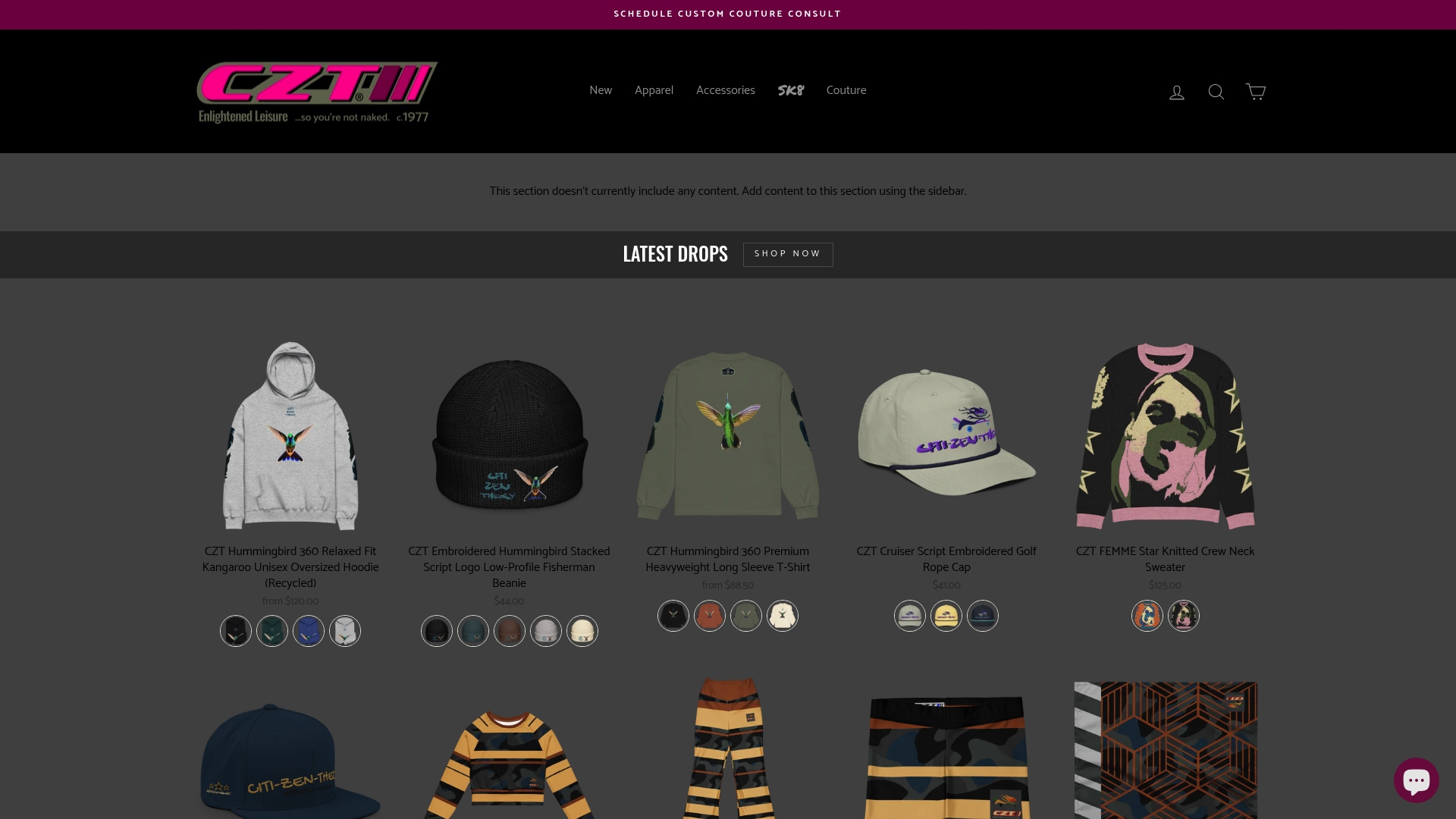
Whether you are drawn to the Botanic Camo collection or want to work with Czt’s custom couture design services to build something entirely your own, the process starts with a conversation. Explore personalized streetwear looks for inspiration, or go straight to Czt’s main collection to see what bespoke streetwear grounded in sustainability actually looks like. You can also check out apparel customization insights to understand why the shift from mass production to bespoke matters beyond aesthetics. The community is already building. Come add your chapter to it.
FAQ
What is the role of social media in custom fashion?
Social media connects fashion enthusiasts to bespoke design inspiration, makers, and communities in real time. It enables co-creation, trend diffusion at the micro-community level, and direct collaboration between consumers and designers.
How does social media influence personal style choices?
Platforms like Instagram and TikTok expose users to custom fashion trends and nano-influencer recommendations, which shape purchasing decisions and encourage investment in personalized, meaningful garments over mass-produced alternatives.
Why do nano-influencers matter for custom fashion brands?
Nano-influencers with 1,000–10,000 followers generate stronger engagement than larger accounts because their audiences treat their recommendations as peer advice. That trust is especially valuable for custom fashion, where authenticity drives purchase decisions.
How does custom fashion support sustainable consumption?
Bespoke production aligns closely with actual demand, reducing overproduction and waste. Consumers who invest in custom pieces tend to prioritize quality and longevity, which directly counters the disposable cycle of fast fashion.
What technology makes custom fashion accessible through social media?
Product configurators with real-time 3D rendering let customers design and visualize garments before production. Print-on-demand technology removes minimum order requirements, making single-piece custom production cost-competitive with mass manufacturing.
Recommended
- Why Custom Clothing Beats Mass Production in 2026 – CZT [CITI-ZEN-THEORY]
- What Is Custom Couture Streetwear: A Style Guide – CZT [CITI-ZEN-THEORY]
- Material Innovation in Streetwear: Style Meets Ethics – CZT [CITI-ZEN-THEORY]
- Personalized Streetwear Looks: 9 Bold Style Examples – CZT [CITI-ZEN-THEORY]