![CZT [CITI-ZEN-THEORY]](http://czt.rocks/cdn/shop/files/CZT_-_Brand_PINK_Label_1_330x.png?v=1774104725)
![CZT [CITI-ZEN-THEORY]](http://czt.rocks/cdn/shop/t/61/assets/CZT-Fast-Logo---Blue-Grey_330x.png?v=98224836737033641471695502660)
![CZT [CITI-ZEN-THEORY]](http://czt.rocks/cdn/shop/files/CZT_-_Brand_PINK_Label_1_170x.png?v=1774104725)
![CZT [CITI-ZEN-THEORY]](http://czt.rocks/cdn/shop/t/61/assets/CZT-Fast-Logo---Blue-Grey_170x.png?v=98224836737033641471695502660)
Custom Jacket Design: Your Practical Guide From Sketch to Sample
Pick your base style, choose a production method that matches your artwork, request a digital mockup, and confirm your measurements before anything goes into production. That’s the whole sequence, and every delay we’ve ever seen in custom jacket design traces back to skipping one of those four steps.
Here’s what governs the rest: durability-focused pieces (team jackets, workwear) lean on embroidery and heavier fabrics, while graphic-heavy or photorealistic designs call for printing methods that render fine detail and color gradients.
- Durability play: wool bodies, leather sleeves, embroidered logos, built for years of wear.
- Graphic play: technical synthetics or cotton twill, screen printing or DTG, built for bold visual statements.
Lead-time reality: a single custom piece typically runs several weeks once you factor in sampling and finishing; small batch and bulk orders shift that timeline depending on decoration method and material sourcing. Request your mockup or book a design consultation now, before you commit to fabric.
Key Takeaways
Custom jacket design succeeds when style, fabric, and decoration method are chosen together, then confirmed through a mockup and measurement check before production begins.
| Point | Details |
|---|---|
| Start with fabric and style together | Match your silhouette (bomber, varsity, moto, puffer, trucker) to a fabric that supports your decoration plan. |
| Let artwork pick the decoration method | Embroidery suits bold logos; DTG suits photo-realistic detail; patches suit leather and heavy wool. |
| Sample before committing on leather | Physical samples catch fit and drape issues that digital mockups can’t show. |
| Budget for sampling and setup costs | Bulk orders spread setup fees across more units; single pieces carry that cost alone. |
| Work with a sustainable custom couture provider | CZT offers consultations, mockup sign-off, made-to-measure guidance, and quality checks using recycled materials like Botanic Camo. |
Table of Contents
- Choosing a Base Style and Material for Your Custom Jacket Design
- Which Decoration Method Fits Your Custom Jacket Design?
- What Happens During the Custom Jacket Design and Production Process?
- How Much Does a Custom Jacket Design Cost, and How Long Does It Take?
- Get Your Files Ready: The Order-Prep Checklist
- CZT’s Approach to Sustainable Custom Couture
- Why Fit and Fabric Choice Matter More Than Trend
- Ready to Design Your Own Custom Jacket?
- Sources
Choosing a Base Style and Material for Your Custom Jacket Design
Every custom jacket design starts with a silhouette, and that silhouette tells a story before a single logo goes on it. A bomber signals casual confidence. A varsity jacket, the kind Varsity Base built its whole business around, screams team pride and nostalgia through its signature 24-ounce wool body paired with leather sleeves. A moto jacket reads rebellious and sharp. A puffer says function first, style close behind. A trucker or windbreaker splits the difference between utility and streetwear ease.
Material choice isn’t cosmetic. It decides what you can even do with decoration:
- Wool and cotton twill hold embroidery beautifully and take dye well for custom colorways.
- Leather resists needle penetration for dense embroidery, which is why leather panels usually get patches or appliqué instead.
- Technical synthetics (nylon shells, ripstop) favor screen printing or heat transfer over stitched decoration, since stitching can compromise water resistance.
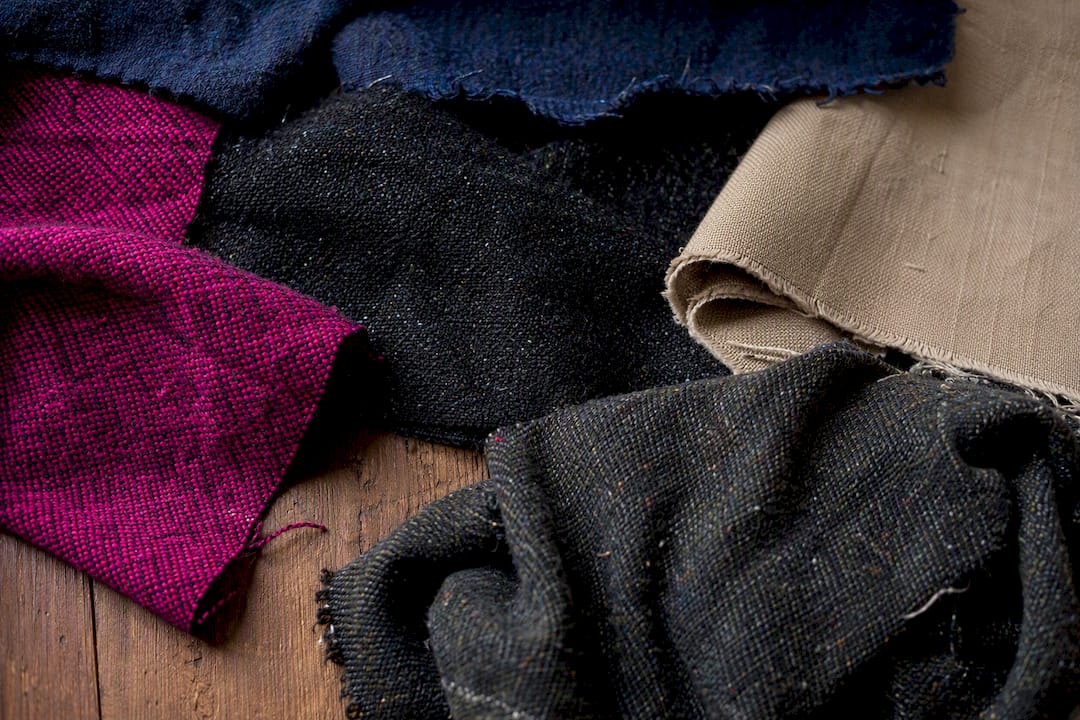
- Recycled fabrics, like the reclaimed textiles behind CZT’s Botanic Camo collection, perform comparably to virgin materials for most decoration methods, though some recycled leathers have thinner hides that limit how aggressive your stitch density can get.
Pro Tip: If you’re torn between two base styles, pick the one whose fabric matches your decoration plan first. Chasing the perfect silhouette on a fabric that fights your artwork just means a second round of revisions later.
Sustainability doesn’t mean compromise here. Recycled wool blends and reclaimed cotton canvas both anchor embroidery threads as well as their virgin counterparts, which is exactly why couture-minded makers keep circling back to them.
Which Decoration Method Fits Your Custom Jacket Design?
Your artwork should choose your decoration method, not the other way around. Here’s how the four major techniques stack up:
- Embroidery delivers texture and a premium, tactile finish. It handles bold logos, initials, and simple graphics well, but it struggles with fine gradients or photorealistic detail. Stitch density and thread count directly affect how crisp small text reads, so tiny lettering under half an inch often blurs.
- Screen printing wins on flat, solid color blocks and large graphic placements, especially across the back panel. It’s cost-efficient at volume but loses appeal for single-piece orders, since setup costs get spread across fewer units.
- Direct-to-garment (DTG) printing handles complex, multi-color, photo-realistic artwork that screen printing can’t touch. It works best on flatter cotton and cotton-blend surfaces, not on leather or heavily textured wool.
- Sublimation dyes the fabric itself rather than sitting on top of it, which makes it nearly invisible to the touch, but it only works on synthetic or poly-blend fabrics, ruling out natural fibers.
When the base fabric itself resists needle or ink, patches and appliqué step in. Heavy wool bodies and leather sleeves, the classic varsity jacket combination, are built for chenille patches rather than direct embroidery across the leather itself.
Minimums vary sharply by method. Embroidery and DTG often accommodate a single custom piece without penalty, while patches and chenille work frequently carry higher minimum quantities tied to their own separate production run.
What Happens During the Custom Jacket Design and Production Process?
A well-run custom jacket design process moves through five distinct phases, and each one exists to catch a mistake before it becomes a finished, unwearable jacket.
- Consultation. You describe the vision, purpose, and budget. This conversation alone eliminates most of the back-and-forth that plagues rushed orders, because vague direction early on compounds into expensive revisions later.
- Digital mockup. The design team renders your logo, colorway, and placement on a virtual version of the jacket. Established custom providers treat mockup sign-off as the official checkpoint before anything gets cut.
- Physical sample (optional, but recommended for leather). A mockup shows color and placement. It cannot show you how a leather panel drapes across your shoulders or how a heavyweight wool holds its shape. For bespoke leather pieces especially, a physical sample earns its extra cost and time.
- Measurements and pattern making. Standard sizing works for team orders and bulk runs. Made-to-measure pieces need your actual body measurements, not just a size label, and measurement guides exist precisely to prevent guesswork here.
- Production and quality checks. Cutting, construction, and finishing happen last, followed by a quality pass on stitching, hardware, and decoration alignment before the jacket ships.
Pro Tip: Confirm your mockup against your original artwork file, not against your memory of what you asked for. Colors shift between screens, and a five-minute check now beats a full remake later.
How Much Does a Custom Jacket Design Cost, and How Long Does It Take?
Five variables move price more than anything else: fabric choice, decoration method, whether you need made-to-measure sizing, hardware upgrades (zippers, snaps, buckles), and overall design complexity.
- Leather and made-to-measure work sits at the top of the price range, since artisan leather makers publish starting-price examples that reflect the hide, cut, and hand finishing involved.
- A single custom leather jacket runs meaningfully higher than a bulk order of 50 branded windbreakers per unit, purely because bulk production spreads setup costs (screens, digitizing, sampling) across many pieces.
- Rush production and one-off artwork digitizing both tend to carry additional fees on top of the base decoration cost.
Lead time breaks into three phases: design sign-off, sampling, and production. Each phase adds its own buffer, and skipping the sample phase on a leather or bespoke order to save time usually backfires when the fit doesn’t land. Budget-conscious buyers should read cost-saving trade-offs for custom projects before finalizing decoration choices, since some techniques cost far less at scale than others.
Get Your Files Ready: The Order-Prep Checklist
Nothing stalls a custom jacket design order faster than incomplete artwork or missing measurements. Handle these before you request a quote:
- Artwork files. Vector formats (AI, EPS, SVG) are strongly preferred for embroidery digitizing and screen printing setup. Raster files (PNG, JPG) work for DTG but need at least 300 DPI at final print size. Use CMYK color mode for print jobs and specify Pantone codes wherever exact color match matters.
- Measurements. For made-to-measure orders, provide chest circumference, shoulder width, sleeve length, body length, and waist measurement, plus any specific fit deviations like a longer sleeve or looser waist. Shoulder construction and lapel width shape the entire pattern, so flag those early rather than leaving them to guesswork.
- Finalize your decisions. Lining fabric, closure type (zipper, snap, button), and exact logo placement all need to be locked before cutting starts.
Two things worth doing before you commit:
- Order a sample first if you’re working with leather or a fully custom pattern.
- Review your mockup against three specific checkpoints: color accuracy, placement position, and proportion relative to the jacket panel.
The logo placement guide breaks down sizing ratios for chest, sleeve, and back placements if you’re unsure where your artwork will read best.
CZT’s Approach to Sustainable Custom Couture
CZT built its custom couture service on one premise: personalization and sustainability aren’t competing priorities. The Botanic Camo collection proves recycled materials can carry embroidery, printing, and patchwork as well as anything virgin, and every custom couture engagement runs through the same consultation, mockup, and quality-check structure that keeps larger providers accountable.
What to look for when a jacket maker is doing this right:
- A design consultation that happens before any material gets cut, not after.
- A digital mockup you sign off on, with clear color and placement confirmation.
- Made-to-measure guidance for anyone whose body doesn’t match a standard size chart.
- A quality-control pass on stitching, hardware, and decoration alignment before shipping.
Sustainable custom couture means the fabric’s origin matters as much as the fit. A jacket built from reclaimed material still has to earn its place in your closet through craftsmanship, not just good intentions.
Why Fit and Fabric Choice Matter More Than Trend
Custom jacket design lives or dies on two decisions nobody talks about enough: whether the fabric respects the planet it came from, and whether the fit respects the body wearing it. We’ve watched a single shoulder-seam adjustment on a made-to-measure jacket turn a stiff, boxy sample into something a customer actually reached for every week. That’s the difference sustainable, considered design makes. Book a consultation before you assume your first sketch is your final one.
— CZT
Ready to Design Your Own Custom Jacket?
If you’ve made it this far, you already know the variables: style, fabric, decoration method, and fit. CZT’s custom couture consultation exists to walk you through all four without the guesswork, and it starts with a conversation, not a sales pitch.
Book a consultation and CZT’s design team talks through your vision, budget, and timeline before anything gets sketched. From there, you’ll receive a digital mockup for approval, a measurement guide if you’re going made-to-measure, and a realistic production timeline based on your decoration method and fabric choice. Every piece runs through the same quality checks, whether it’s a single leather jacket or a small team run built from recycled materials. Visit Czt to request your quote and get the process started.
Sources
- Custom Jackets & Outerwear | The Jacket Maker
- Custom Leather Jacket | Design Your Own Made-to-Order Jacket – Manzo – Manzo Leathers
- Varsity jackets & letterman jackets - Varsity Base
Recommended
- Budget Custom Clothing Design Project: 2026 Guide – CZT [CITI-ZEN-THEORY]
- How Color Customization Works for Sustainable Streetwear – CZT [CITI-ZEN-THEORY]
- Types of Custom Clothing Personalization Options Explained – CZT [CITI-ZEN-THEORY]
- How to Design Matching Custom Group Outfits – CZT [CITI-ZEN-THEORY]