![CZT [CITI-ZEN-THEORY]](http://czt.rocks/cdn/shop/files/CZT_-_Brand_PINK_Label_1_330x.png?v=1774104725)
![CZT [CITI-ZEN-THEORY]](http://czt.rocks/cdn/shop/t/61/assets/CZT-Fast-Logo---Blue-Grey_330x.png?v=98224836737033641471695502660)
![CZT [CITI-ZEN-THEORY]](http://czt.rocks/cdn/shop/files/CZT_-_Brand_PINK_Label_1_170x.png?v=1774104725)
![CZT [CITI-ZEN-THEORY]](http://czt.rocks/cdn/shop/t/61/assets/CZT-Fast-Logo---Blue-Grey_170x.png?v=98224836737033641471695502660)
Types of Custom Clothing Personalization Options Explained
Custom clothing personalization is defined as the application of techniques, including screen printing, embroidery, and direct-to-garment (DTG) printing, that transform standard garments into one-of-a-kind fashion statements. Understanding the types of custom clothing personalization options available is the difference between a piece that fades after six washes and one that carries your identity for years. The industry recognizes three primary decoration categories: surface printing, thread-based embellishment, and structural customization. Each carries distinct advantages tied to design complexity, fabric type, and order quantity. Czt has built its entire custom couture philosophy around matching the right method to the right garment, because that precision is what separates authentic streetwear from mass-produced noise.
1. What are the main types of custom clothing personalization methods?
Screen printing, embroidery, and DTG printing are the three foundational clothing customization methods in the apparel decoration industry. Each serves a different creative and practical purpose, and choosing the wrong one for your design is a costly mistake.
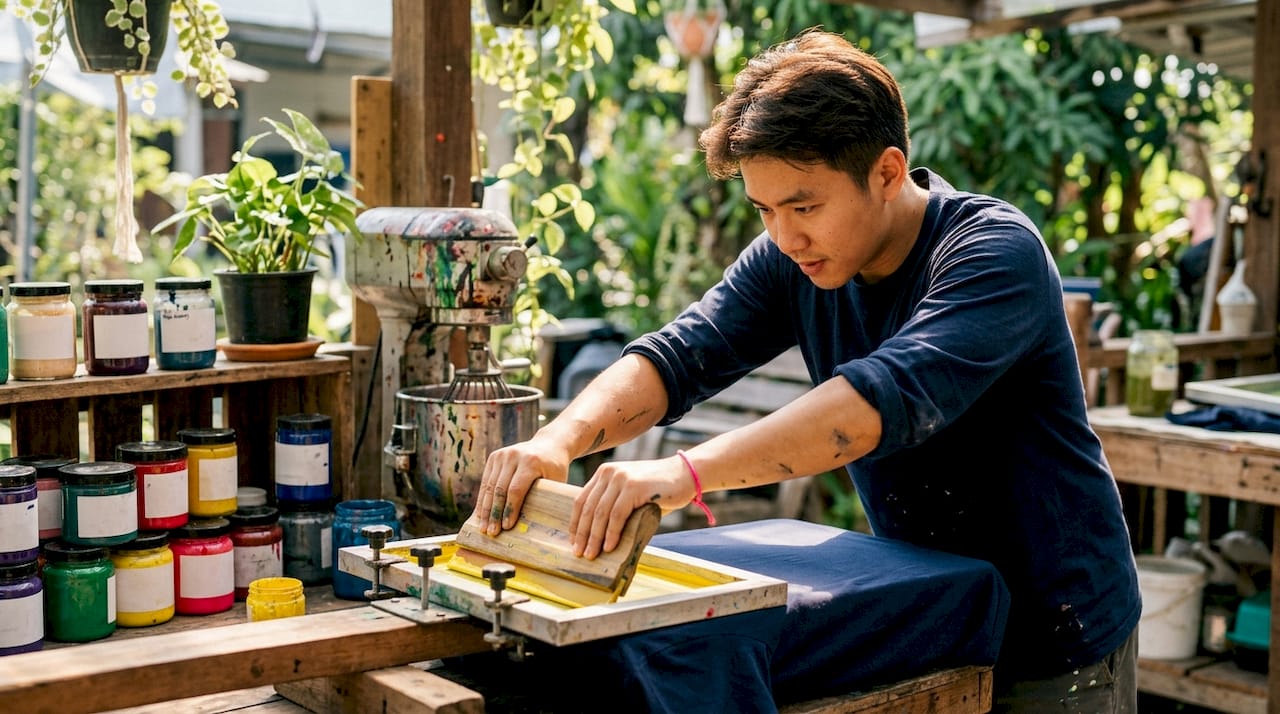
Screen printing pushes ink through a mesh stencil directly onto fabric. It produces bold, opaque colors with exceptional washability, making it the standard for graphic tees, band merch, and streetwear drops. Screen printing is most cost-effective for orders of 12 or more items with 1–4 color solid designs on cotton. That threshold matters because setup costs spread across quantity, dropping the per-unit price significantly.
Embroidery stitches thread directly into the fabric, creating a textured, three-dimensional finish. It reads as premium, which is why you see it on polo shirts, structured caps, and corporate outerwear. Embroidery outlasts the garment itself and is preferred for professional apparel. Pricing scales by stitch count, not color count, which surprises most first-time buyers.
DTG printing works like a high-resolution inkjet printer applied directly to a garment. It handles photographic images, color gradients, and intricate illustrations without any setup fees. DTG is cost-effective for orders of 1–11 items and delivers a soft hand feel that screen printing cannot match at low quantities.
Beyond these three, heat transfers, foil stamping, and appliqué each fill specific creative gaps. Heat transfers work well for names and numbers on athletic jerseys. Foil stamping adds a metallic sheen to logos. Appliqué bonds a separate fabric piece onto the base garment, creating layered texture that reads as artisanal.
Pro Tip: If your design uses more than six colors or includes photographic detail, DTG is almost always the right starting point. Reserve screen printing for bold, graphic compositions where color count stays low and quantity runs high.
2. How do garment type and fabric influence personalization options?
Fabric composition determines which personalization methods will perform and which will fail. A technique that looks flawless on a heavyweight cotton tee can destroy a lightweight performance jersey.
Cotton accepts screen printing inks readily and holds embroidery thread without distortion. Polyester, however, requires special inks to prevent dye migration, a phenomenon where the fabric’s dye bleeds into the applied ink and muddies the final color. That single technical detail eliminates standard screen printing from most athletic and performance wear applications.
Fabric weight and structure also govern embroidery outcomes. Lightweight fabrics like mesh or thin jersey will pucker under the tension of dense stitch patterns unless a stabilizer is placed behind the fabric during the stitching process. Outerwear and structured hats handle embroidery without issue because the base material is firm enough to absorb the thread tension.
Here is how method choice maps to common garment types:
- Cotton t-shirts: Screen printing, DTG, heat transfer, appliqué
- Polo shirts: Embroidery, heat transfer
- Structured caps: Embroidery, leather patch, woven label
- Performance jerseys: Sublimation, heat transfer with polyester-compatible inks
- Outerwear and jackets: Embroidery, chenille, screen printing on cotton panels
Pro Tip: Always wash a personalized garment inside out in cold water. Heat is the primary enemy of both screen-printed inks and embroidery thread integrity over time.
3. How to choose personalization based on design complexity and order quantity
Design complexity and order size are the two variables that determine cost and quality outcomes more than any other factor. Getting this calculation wrong means paying too much or receiving a result that does not honor the original artwork.
Simple logos with one to four solid colors are the natural territory of screen printing. The setup cost, which covers creating a separate screen for each color, becomes economical only when spread across a meaningful quantity. Screen printing drops in per-unit cost as order size grows past 12 pieces, making it the standard for group orders, team uniforms, and brand merchandise runs.
Photographic images and color gradients belong to DTG. A portrait, a detailed botanical illustration, or a gradient sunset cannot be reproduced faithfully through screen printing without an impractical number of color separations. DTG handles these compositions without setup fees, which is why it dominates the one-off and small-batch market.
Embroidery pricing follows a different logic entirely. Color count is irrelevant. Stitch count drives the price. A small left-chest logo with 5,000 stitches costs far less than a large back design with 20,000 stitches, regardless of how many thread colors appear in the composition.
Dynamic pricing in custom apparel adjusts costs based on personalization complexity, multi-location prints, and photographic elements. Adding a sleeve print to a chest-and-back design, for example, triggers a separate setup charge. Knowing this before you finalize your design saves real money.
Here is a quick decision framework by scenario:
- Bold logo, 50 shirts: Screen printing
- Full-color photo, 5 shirts: DTG
- Embroidered polo for a corporate team: Embroidery, priced by stitch count
- Metallic logo on a limited streetwear drop: Foil stamping or screen printing with metallic ink
- All-over graphic, single piece: Cut and sew or all-over sublimation
4. What are specialty personalization techniques and when to consider them?
Specialty decoration methods exist for situations where standard printing or embroidery cannot produce the desired visual or tactile effect. These techniques command higher prices, but they create apparel that reads as genuinely premium.
Foil stamping, puff embroidery, chenille, laser etching, and emboss/deboss each add unique tactile and visual effects that standard methods cannot replicate. Puff embroidery raises the stitched design off the fabric surface using a foam underlay, creating a three-dimensional logo that catches light and shadow. Chenille, the technique behind varsity letters, produces a thick, velvety texture that communicates heritage and craft. Laser etching removes fabric or coating at a microscopic level, ideal for leather patches and denim panels.
All-over printing and cut and sew processes enable couture-level full garment customization that goes far beyond traditional decoration. In a cut and sew process, the fabric is printed before the garment is assembled, meaning the design runs edge to edge without borders or blank zones. This is how Czt approaches its most expressive pieces, including the Botanic Camo collection, where the pattern is part of the garment’s construction rather than applied to its surface.
Combining methods multiplies the effect. Embroidery layered over an appliqué panel, or a screen-printed graphic with a foil-stamped logo overlay, creates compositions that reward close inspection. These mixed-method approaches are the signature of custom couture streetwear and the territory where Czt operates most naturally.
Pro Tip: Specialty finishes like embroidery in luxury fashion have a long history of signaling quality and exclusivity. If you want a garment that communicates craft before anyone reads the label, puff embroidery or chenille on a structured silhouette is the most direct path.
5. What practical steps enable successful customization from concept to delivery?
The customization workflow has five distinct stages, and skipping any one of them produces predictable problems. Understanding the full sequence protects your investment and your timeline.
Online design labs allow you to select a garment type, upload artwork, preview placement in real time, and manage your order from a single interface. Real-time preview tools are not a luxury. They are the only reliable way to catch scale and placement errors before production begins.
Artwork file preparation is where most first-time buyers lose quality. Vector files in .AI, .EPS, or .PDF formats produce crisp results for screen printing because they scale without pixelation. Raster images at 300 DPI or higher work well for DTG, where the printer reads pixel data directly. Submitting a low-resolution JPEG for screen printing is the single most common cause of blurry, disappointing results.
Placement choices carry more creative weight than most people expect. Left chest placement is standard for logos, but a large back print opens space for complex, bold graphics that a chest placement cannot accommodate. Sleeve prints add a subtle design element that commands attention without dominating the composition.
Production timelines vary by method and quantity. Small rush orders can ship in as few as 3 business days, while bulk orders with specialty finishes require longer lead times. Planning for a standard lead time of one to two weeks protects you from timeline pressure that forces compromises on quality.
Common pitfalls to avoid:
- Submitting raster files for screen printing jobs
- Choosing embroidery for a photographic or gradient design
- Ignoring fabric composition when selecting a decoration method
- Underestimating the cost of multi-location prints
- Skipping a physical sample before a large production run
Key Takeaways
The most effective approach to custom clothing personalization matches your decoration method to your design complexity, fabric type, and order quantity before any production begins.
| Point | Details |
|---|---|
| Method drives outcome | Screen printing, embroidery, and DTG each serve distinct design types and quantity ranges. |
| Fabric determines compatibility | Polyester requires special inks; lightweight fabrics need stabilizers for embroidery to prevent puckering. |
| File format protects quality | Vector files suit screen printing; raster images at 300 DPI or higher suit DTG printing. |
| Specialty methods signal premium | Puff embroidery, chenille, and cut and sew processes create tactile effects that standard methods cannot replicate. |
| Quantity shapes cost | Screen printing becomes cost-effective at 12 or more pieces; DTG favors runs of 1–11 items with no setup fees. |
Czt’s perspective on choosing personalization that actually means something
We have spent years watching people choose decoration methods based on price alone, and the results are always the same: a garment that looks fine in the bag and fades into anonymity after a season. That is not what clothing personalization is for.
The methods we return to most consistently at Czt are the ones that carry physical memory. Embroidery does not wash out. A well-executed cut and sew print does not crack or peel. These are not just technical advantages. They are a form of respect for the person wearing the piece and for the culture that inspired it. When we built the Botanic Camo collection using recycled materials and all-over construction, the goal was a garment that aged with the wearer rather than against them.
The advice we give most often is this: match your method to the life the garment will live. A heavyweight screen-printed graphic tee for a skate session is a different object than an embroidered polo for a brand presentation. Both are valid. Both require different thinking. The mistake is treating personalization as a single category when it is actually a spectrum of craft decisions, each with its own logic and its own aesthetic payoff.
Experimentation matters, but informed experimentation matters more. Try a specialty finish on a small run before committing to a full production order. Combine methods deliberately, not randomly. And always ask whether the decoration serves the garment or competes with it. The best personalized streetwear feels inevitable, as if the design could not exist on any other surface.
— Czt
Czt’s custom design tools for your next apparel project
Czt brings together decoration expertise and a genuine commitment to sustainable, expressive streetwear for people who want more than a logo on a blank tee.
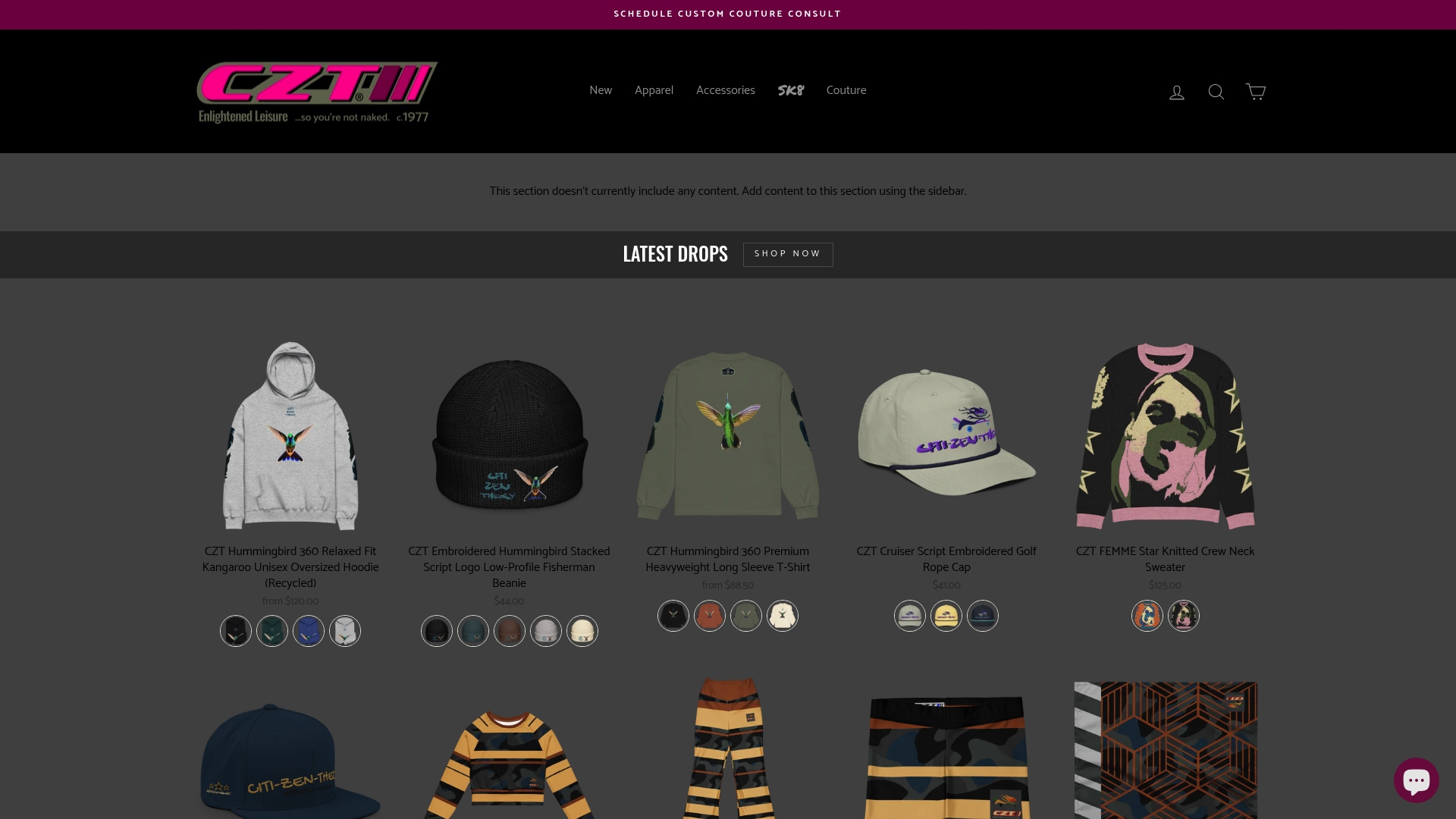
Whether you are working through your first custom piece or refining a full collection, Czt’s design process is built to match the right technique to your vision. From all-over cut and sew construction to embroidered details on recycled-material garments, every method is chosen with intention. The 2026 custom clothing guide on the Czt site walks through real-time design tools, placement decisions, and budget planning in practical detail. For anyone ready to move from concept to finished garment, explore Czt’s full custom apparel offerings and see how craft and sustainability can share the same seam.
FAQ
What is the most durable custom clothing personalization method?
Embroidery is the most durable decoration method, as the stitched thread outlasts the garment itself and does not crack, fade, or peel with washing.
When should I use DTG printing instead of screen printing?
Use DTG for photographic images, color gradients, or orders of fewer than 12 pieces, since DTG requires no setup fees and handles complex color compositions that screen printing cannot reproduce economically.
Can I personalize polyester athletic wear?
Yes, but polyester requires sublimation or specialty inks designed to prevent dye migration. Standard screen printing inks will bleed and discolor on polyester fabrics.
What file format should I submit for custom apparel printing?
Submit vector files (.AI, .EPS, or .PDF) for screen printing and raster images at 300 DPI or higher for DTG printing. Low-resolution files produce pixelated, unusable results.
How long does custom apparel production typically take?
Rush orders can ship in 3 business days, while standard bulk orders with specialty finishes typically require one to two weeks depending on method and quantity.