![CZT [CITI-ZEN-THEORY]](http://czt.rocks/cdn/shop/files/CZT_-_Brand_PINK_Label_1_330x.png?v=1774104725)
![CZT [CITI-ZEN-THEORY]](http://czt.rocks/cdn/shop/t/61/assets/CZT-Fast-Logo---Blue-Grey_330x.png?v=98224836737033641471695502660)
![CZT [CITI-ZEN-THEORY]](http://czt.rocks/cdn/shop/files/CZT_-_Brand_PINK_Label_1_170x.png?v=1774104725)
![CZT [CITI-ZEN-THEORY]](http://czt.rocks/cdn/shop/t/61/assets/CZT-Fast-Logo---Blue-Grey_170x.png?v=98224836737033641471695502660)
Read Care Label Symbols to Protect Clothes, With Printable Cheat Sheet
Care label symbols are pictograms that show the maximum safe treatment your garment can handle across five categories: washing, bleaching, drying, ironing, and professional cleaning. A symbol never demands the harshest option shown. It sets a ceiling, meaning gentler care is always permitted. Skip to the printable cheat sheet below once you’ve learned the groups.
TL;DR:
- The agitation level indicated by bars under the wash tub is more crucial than water temperature for preventing damage to delicate fibers.
- Tumble dry symbols with a circle and dots specify heat levels, but air-drying options often better preserve prints, embellishments, and fabric integrity.
- Bleach restrictions are denoted by triangle symbols, with non-chlorine options marked by lines inside, and full restrictions shown by crosses; using inappropriate bleach damages fibers.
- Iron symbols with dot counts reflect temperature limits, where one dot is low heat suited for synthetics, and three dots is high heat for cotton and linen, avoiding scorching.
- Professional and dry-cleaning symbols specify safe solvents and processes, with crossed-out icons indicating processes that can ruin garments if ignored.
Table of Contents
- What Do the Washing Symbols on Clothing Mean?
- How Do You Read Drying Symbols on a Care Label?
- What Do the Triangle Bleaching Symbols Mean?
- What Do the Iron Symbols on a Care Label Mean?
- What Do Dry Clean and Professional Care Symbols Mean?
- How Do You Read Combined or Crossed-Out Care Symbols?
- Printable Care Label Symbol Cheat Sheet
- Who Regulates Care Labels, and Why Do They Exist?
- Where on the Garment Should You Look for Care Symbols?
- What Do People Get Wrong About Care Symbols?
- Does Fabric Type Change How You Read Care Symbols?
- Why Care Labels Matter to Us at CZT
- Get Product-Specific Care Guidance From CZT
- Sources
What Do the Washing Symbols on Clothing Mean?
The wash tub icon is the foundation of every care label, and its shape carries as much information as the numbers inside it. A plain tub with water lines tells you the garment is machine washable. The number or dot inside indicates temperature, and the lines drawn underneath the tub tell you how rough the machine is allowed to be.
Some labels use actual numbers (30, 40, 60), especially on imported goods following international standards. Others use dots, a system common on North American labels. One dot generally signals cold water, two dots warm, and more dots represent progressively hotter settings, according to GINETEX, the organization behind the internationally recognized textile care symbols. HowStuffWorks notes that on most home washers, those dots translate roughly to cold (below 86°F), warm (around 105°F), and hot (up to 140°F or higher).
The bars underneath the tub are the part almost everyone overlooks, and it’s the detail that causes the most laundry damage. Those lines describe agitation, not temperature.
- No line: normal wash cycle, standard agitation
- One line: permanent press cycle, reduced agitation
- Two lines: gentle or delicate cycle, minimal agitation
A hand icon means hand wash only, and a crossed-out tub means the item should never touch water in a machine.
Wool and silk are especially prone to shrinking or felting from aggressive agitation rather than water temperature, which is why the bar count matters more than most people realize when a sweater comes out of the wash a size smaller.
Pro Tip: When a label shows dots but no visible bar, default to the gentle or delicate cycle anyway if the item has any elastic, lace, or a printed graphic. It costs you a few extra minutes and saves the trim.
How Do You Read Drying Symbols on a Care Label?
The square icon governs drying, and its variations decide whether your dryer helps or ruins your clothes. A square with a circle inside means the item is safe for a tumble dryer, and dots inside that circle often indicate heat levels from low to high.
A square with an X through it (whether that X sits over a circle or a plain square) means no tumble drying, full stop. That single crossed icon is responsible for more ruined sweatshirts and shrunken hoodies than almost any other label mistake.
Air-dry variants use a plain square with internal marks:
- A horizontal line means dry flat, best for knits that stretch out of shape on a hanger
- A curved line at the top means line dry, hung by a clip or over a rod
- Diagonal lines in the corner mean dry in shade, protecting color from fading
- Dripping lines mean drip dry, ideal for garments that shouldn’t be wrung out
Pro Tip: Screen prints, foil transfers, and rhinestone embellishments survive far longer with air drying, even if the tumble-dry symbol technically allows heat. Turning printed garments inside out before any drying step, a habit outlined in this guide to preserving graphic tees, adds years to a favorite shirt.
What Do the Triangle Bleaching Symbols Mean?
The triangle governs bleach, and its three common variations are easy to mix up if you’re moving fast at the laundry basket.
- A plain, empty triangle means any bleach is safe to use
- A triangle with two diagonal lines inside means non-chlorine bleach only, typically oxygen-based or “color-safe” formulas
- A triangle with an X through it means no bleach of any kind
Chlorine bleach breaks down synthetic fibers and strips dye far faster than oxygen-based alternatives, which is why manufacturers restrict its use on printed or dyed fabric even when the garment can technically tolerate a wash cycle. If a label crosses out bleach entirely, spot-treat stains with a diluted dish soap solution or a dedicated stain pretreatment instead, and always test on an inside seam first.
What Do the Iron Symbols on a Care Label Mean?
The iron icon looks straightforward, but the dot count inside it changes the temperature dramatically enough to scorch a garment if you guess wrong.
- One dot: low heat, safe for synthetics like polyester and acrylic
- Two dots: medium heat, appropriate for wool and blended fabrics
- Three dots: high heat, reserved for cotton and linen
Lines under the iron icon signal steam restrictions. A crossed-out iron means don’t iron at all, and an iron with an X through rising steam lines means dry ironing only, no steam. When a label restricts ironing, reshaping the garment while it’s still damp from washing and letting it air-dry flat often achieves the same smoothing effect without heat. A press cloth (a plain cotton sheet between the iron and the fabric) protects delicate surfaces when you do need to press something at higher risk of shine or scorching.
What Do Dry Clean and Professional Care Symbols Mean?
A plain circle means the garment requires professional cleaning, and the letter inside tells the cleaner which solvent is safe to use. A “P” allows a broader range of dry-cleaning solvents; an “F” restricts the cleaner to petroleum-based solvents only, according to details on laundry symbol standards. A circle with a line underneath it means the cleaning process needs to be gentler than standard, regardless of which letter is inside.
A circle with a “W” means wet cleaning, a professional process using water-based methods and specialized equipment, distinct from what a home washing machine does. When you drop off a garment with any of these symbols, just point to the tag. Professional cleaners read these icons daily and will know exactly which process and solvent to use without further explanation.
How Do You Read Combined or Crossed-Out Care Symbols?
An X drawn across any symbol means that process is prohibited, full stop, regardless of what other icons appear on the same tag. Bars underneath a symbol soften the instruction rather than banning it. They tell you to use a gentler version of that same process.
When a label shows several icons together, work through them in this order:
- Check for any X first. That eliminates entire categories before you waste time reading dots or bars.
- Note every bar, since it changes intensity within an allowed process rather than blocking it outright.
- When two instructions seem to conflict (a “do not wash” tub paired with a dry clean circle), the correct move is always professional cleaning. Attempting to hand wash an item explicitly marked “do not wash” risks the exact damage the label is warning against.
When instructions feel ambiguous, choose the gentler path. A sweater washed on cold that could have handled warm loses nothing. A sweater washed on hot that needed cold rarely recovers.
Printable Care Label Symbol Cheat Sheet
Save or screenshot this summary and keep it near the laundry machine. Every icon below states the strictest treatment allowed, and anything milder is fine.
| Symbol group | Shape | Quick meaning |
|---|---|---|
| Washing | Tub | Dots = temperature; bars underneath = agitation level (none, one, two) |
| Bleaching | Triangle | Empty = any bleach; two lines = non-chlorine only; X = no bleach |
| Drying | Square | Circle inside = tumble dry with heat dots; lines = air-dry style; X = no tumble |
| Ironing | Iron | Dots = heat level (one low, three high); X = no ironing |
| Professional care | Circle | Letter = solvent type; W = wet cleaning; line underneath = gentler process |
Extension programs, including University of Tennessee’s printable guide, follow this same layout for household reference. If your printer or eyesight makes small icons hard to read, most fabric stores sell laminated versions of this chart, which tend to be more durable than printed pages taped to the wall.
Who Regulates Care Labels, and Why Do They Exist?
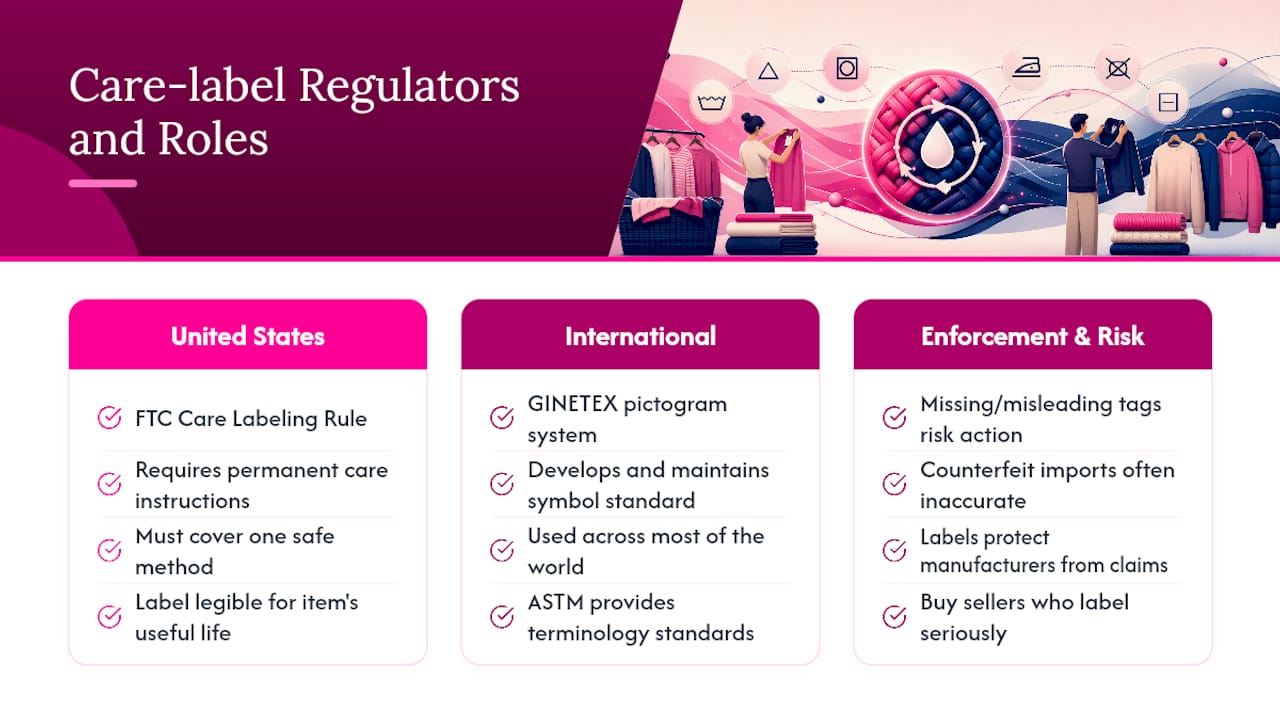
Care labels aren’t a courtesy from manufacturers. In the United States, they’re a legal requirement. The FTC’s Care Labeling Rule requires most garment makers to attach permanent care instructions that cover at least one safe method of regular care, and the label has to stay legible for the useful life of the item, not just through the first wash.
That rule exists because textile disputes were a real problem before standardization: a shopper had no way to know whether a “delicate” sweater meant hand wash only or simply meant cold water, and manufacturers had no consistent way to protect themselves from damage claims. The FTC rule forces specificity instead of vague adjectives.
Internationally, the pictogram system itself comes from GINETEX, the trade association that developed and maintains the symbol standard used across most of the world. American labels sometimes pair FTC-mandated text with GINETEX-style icons, which is why you’ll occasionally see both a written instruction (“machine wash cold”) and a matching symbol on the same tag. ASTM International also publishes textile-care terminology standards that manufacturers reference when translating symbols into the written care instructions required by the FTC rule.
None of this is decorative. A garment tag that skips required information, or that misrepresents a fabric’s actual care needs, exposes the manufacturer to regulatory action. That’s part of why counterfeit and unregulated imports frequently carry inaccurate or missing care information, one more reason to buy from sellers who take labeling seriously.
Where on the Garment Should You Look for Care Symbols?
Care labels almost always sit in one of three places: stitched into the inside back neckline, sewn into a side seam near the hip, or attached as a small tag hanging from the care label itself if the garment doesn’t have a neck label. Manufacturers put them in low-visibility, high-durability spots on purpose. A label in the neckline gets less wear-and-tear friction than one on a sleeve cuff, and it stays out of sight when the garment is worn.
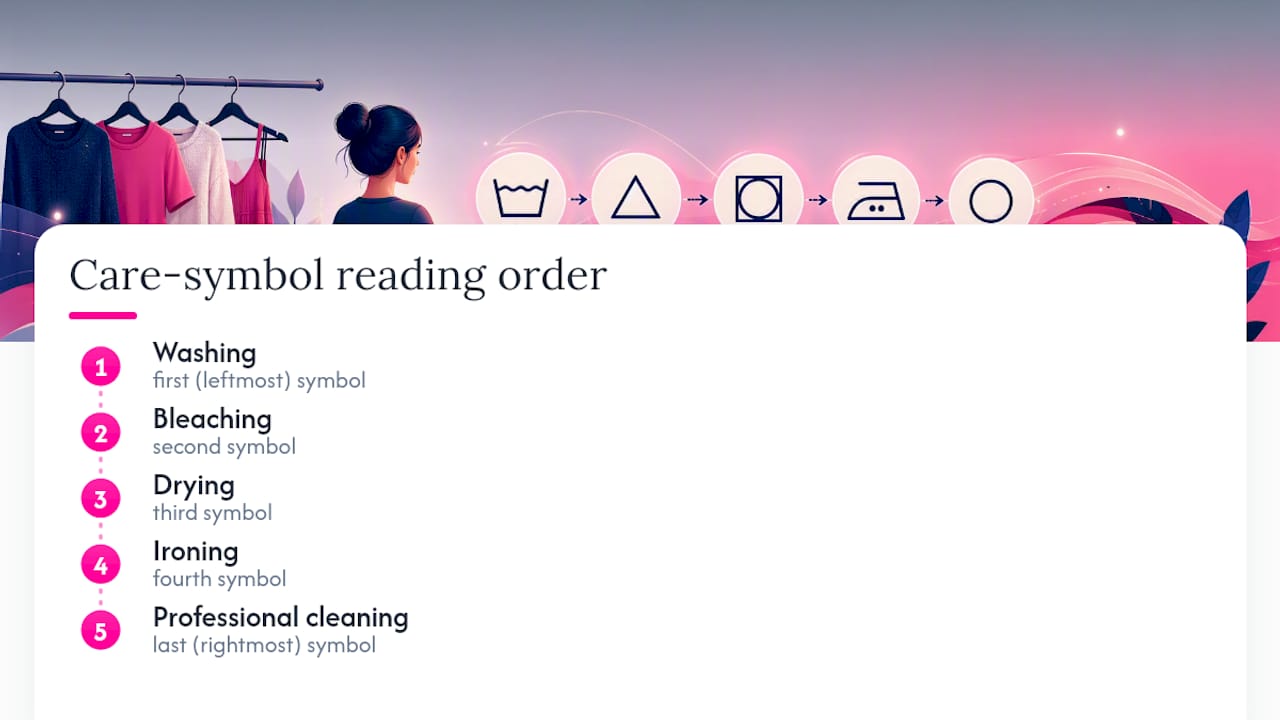
The order symbols appear in is not random either. Most labels follow the same sequence: washing first, then bleaching, then drying, then ironing, then professional cleaning last. That order roughly matches the sequence most people actually use when caring for a garment at home, which makes scanning the tag faster once you know what to expect. If you’re staring at a label trying to figure out which icon is which, start from the left and assume you’re reading washing instructions first.
Some labels also include a small text block near the symbols explaining fabric content (cotton, polyester, a recycled-fiber blend) separately from the care icons. That’s useful context. Fiber content changes how forgiving a garment is even within symbols that look identical, which matters more than most shoppers assume. Labels on brand logo areas or printed graphics sometimes carry extra handling notes too, worth checking if you’re protecting a logo placement on a favorite piece.
What Do People Get Wrong About Care Symbols?
The single most common misconception is treating every symbol as a strict requirement rather than a ceiling. A wash tub showing a 40°C dot doesn’t mean you must wash at that temperature. It means 40°C is the hottest safe option, and washing colder is always fine. Manufacturers set that ceiling based on dye stability and fiber tolerance, not a preference for how you should launder the item, according to GINETEX’s own guidance on how the symbols function.
A second myth: people assume the bars under a wash tub relate to water temperature, when they actually govern how hard the machine agitates the load. This mix-up is probably the leading cause of shrunken wool sweaters and felted knits, since a shopper sees a warm-water dot, assumes that’s the risky part, and completely ignores the bar count sitting right below it.
A third misconception involves “dry clean only” labeling. Some garments marked this way can technically survive a careful hand wash, but manufacturers use “dry clean only” as a liability-limiting default rather than an absolute technical requirement in every case. That said, treat it as a firm instruction unless you’re willing to risk the garment. Guessing wrong on a wool coat costs far more than a professional cleaning bill.
Finally, plenty of people assume older or handmade garments don’t need label literacy at all. Vintage pieces and home-sewn items often lack any label, which means fiber identification becomes the entire game, covered next.
Does Fabric Type Change How You Read Care Symbols?
Fiber content changes what the same symbol actually risks, even when the icon on the tag looks identical across two different garments. A cold-wash tub symbol on a cotton T-shirt and the same symbol on a rayon blouse carry very different real-world stakes. Cotton tolerates a slightly rougher cycle without much consequence. Rayon distorts and can develop water spots even within its labeled safe zone if agitation runs high.
Wool and silk are the two fibers where ignoring the agitation bar causes the most damage, since both fibers felt or lose shape under mechanical stress far more readily than cotton or synthetic fibers do. Synthetic blends, meanwhile, tend to be more heat-sensitive on the ironing and drying side. A polyester blend that can survive a warm wash without issue will still scorch or glaze under an iron set for cotton.
Garments made from recycled fibers deserve a closer look at the tag too. Recycled polyester and reclaimed cotton blends sometimes behave slightly differently than virgin fiber versions of the same material, which is one reason recycled fabric clothing often comes with slightly more specific washing guidance than a mass-produced equivalent. When in doubt on any blend you can’t identify, the gentle-cycle, cold-water, air-dry combination is the safest default across nearly every fiber type, even when the label technically permits more.
Why Care Labels Matter to Us at CZT
Every garment we cut from recycled material carries a story worth protecting, and a misread label is how that story ends early, in a landfill instead of a closet. Following the tab on your tag isn’t a chore. It’s the simplest act of respect for the fiber, the process, and the planet behind it. We build our care guidance for recycled-material pieces with that same intention: not rules for their own sake, but a way to keep the garment alive.
— CZT
Get Product-Specific Care Guidance From CZT
Knowing what a symbol means is one thing. Knowing exactly how to treat a Botanic Camo hoodie made from recycled fiber blends is another, and that’s where most generic laundry advice runs out of road. The client sells sustainable streetwear and provides care guidance specific to each garment’s fiber content on product pages.
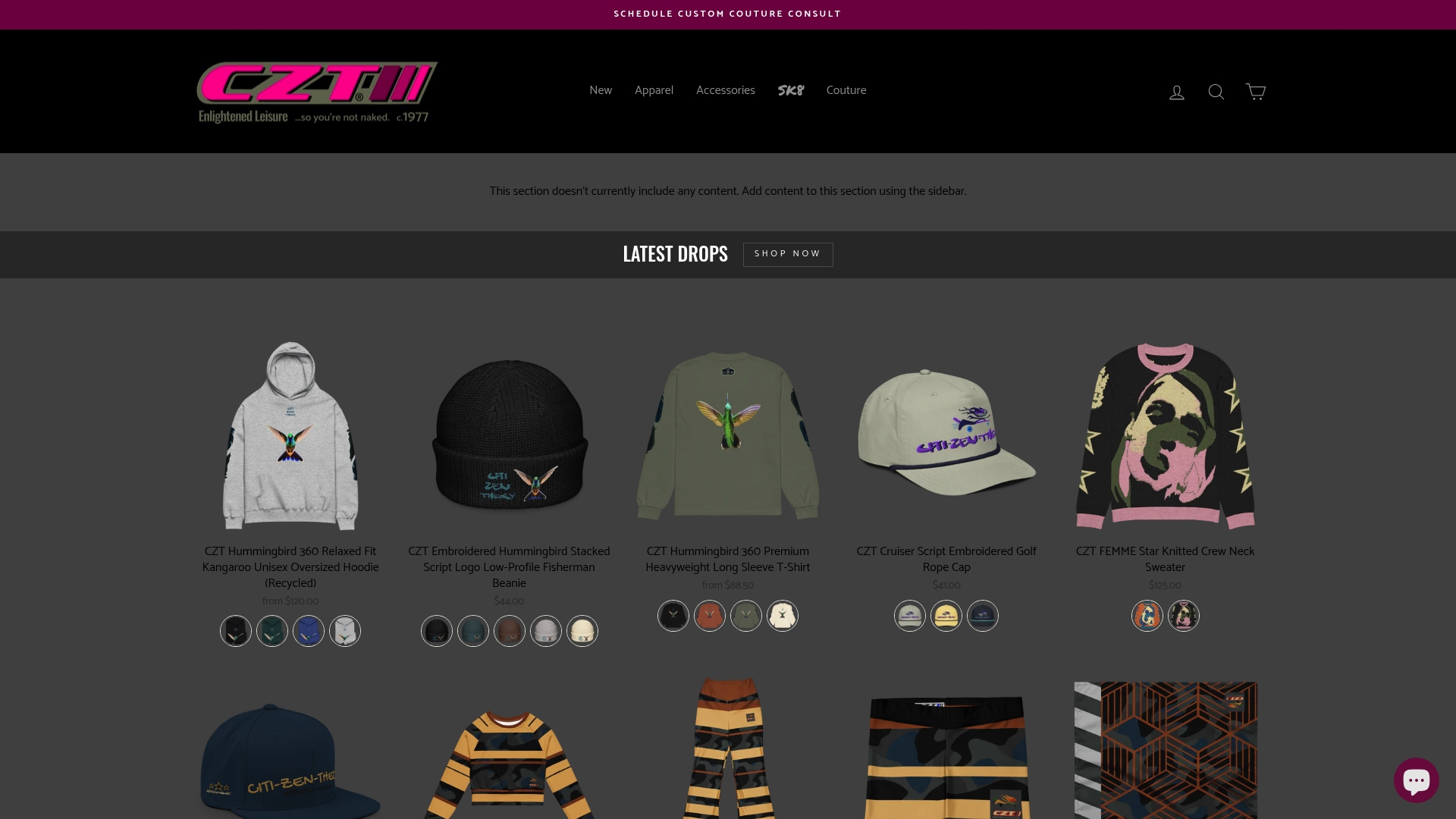
If you’ve got a custom couture piece in the works, or you’re just trying to figure out the safest wash cycle for a new drop, visit the Czt shop for product-specific instructions and to explore couture design consults built around pieces meant to last, not end up in a donation bin after one bad wash cycle.
Sources
This guide draws on the FTC Care Labeling Rule, GINETEX’s international textile care symbol standard, practical symbol breakdowns from HowStuffWorks and Whirlpool, and a printable reference chart from University of Tennessee Extension.
- Textile care symbols (GINETEX)
- Care Labeling of Textile Wearing Apparel and Certain Piece Goods (FTC)
- Washing symbols explained (HowStuffWorks)