![CZT [CITI-ZEN-THEORY]](http://czt.rocks/cdn/shop/files/CZT_-_Brand_PINK_Label_1_330x.png?v=1774104725)
![CZT [CITI-ZEN-THEORY]](http://czt.rocks/cdn/shop/t/61/assets/CZT-Fast-Logo---Blue-Grey_330x.png?v=98224836737033641471695502660)
![CZT [CITI-ZEN-THEORY]](http://czt.rocks/cdn/shop/files/CZT_-_Brand_PINK_Label_1_170x.png?v=1774104725)
![CZT [CITI-ZEN-THEORY]](http://czt.rocks/cdn/shop/t/61/assets/CZT-Fast-Logo---Blue-Grey_170x.png?v=98224836737033641471695502660)
What Is Collaborative Streetwear Design in 2026
Collaborative streetwear design is defined as a strategic partnership between two or more creative forces producing limited-edition garments that neither party could create alone, transforming retail releases into cultural events amplified by scarcity and social media. The industry term for this practice is “co-design collaboration,” though “collaborative streetwear design” captures its full cultural weight. At Czt, we’ve watched this practice evolve from simple logo swaps into something far richer: a discipline where shared values, technical craft, and subcultural storytelling converge to produce pieces that carry genuine meaning. For fashion enthusiasts, designers, and eco-conscious consumers alike, understanding how these partnerships work reveals why certain drops stop traffic while others disappear quietly from shelves.
What is collaborative streetwear design and how does it work?
Collaborative streetwear design begins with a concept phase where both parties define the cultural territory they want to occupy together. This is not a handshake and a logo exchange. Each partner brings a distinct visual language, a community, and a set of aesthetic commitments, and the collaboration’s power comes from the productive tension between those differences.
The process typically moves through four stages:
- Creative brief alignment — Both teams articulate their brand identities, target communities, and design constraints in writing. A clear brief prevents the most common failure: one brand’s aesthetic swallowing the other’s entirely.
- Concept sketching and iteration — Successful collaborations grow from iterative sketching and multidisciplinary alignment rather than rigid planning. Designers from both sides sketch together, reject ideas together, and refine together.
- Tech pack development and prototyping — Detailed tech packs specify every construction detail: fabric weight, stitch type, embroidery placement, interior taping, and co-branded label positioning. Clear, detailed tech packs and rigorous sample reviews ensure both collaborators align on aesthetics and execution.
- Production with experienced factory partners — The finest collaborations are produced with factory partners who understand premium streetwear construction. Low-grade materials destroy credibility regardless of how strong the concept is.
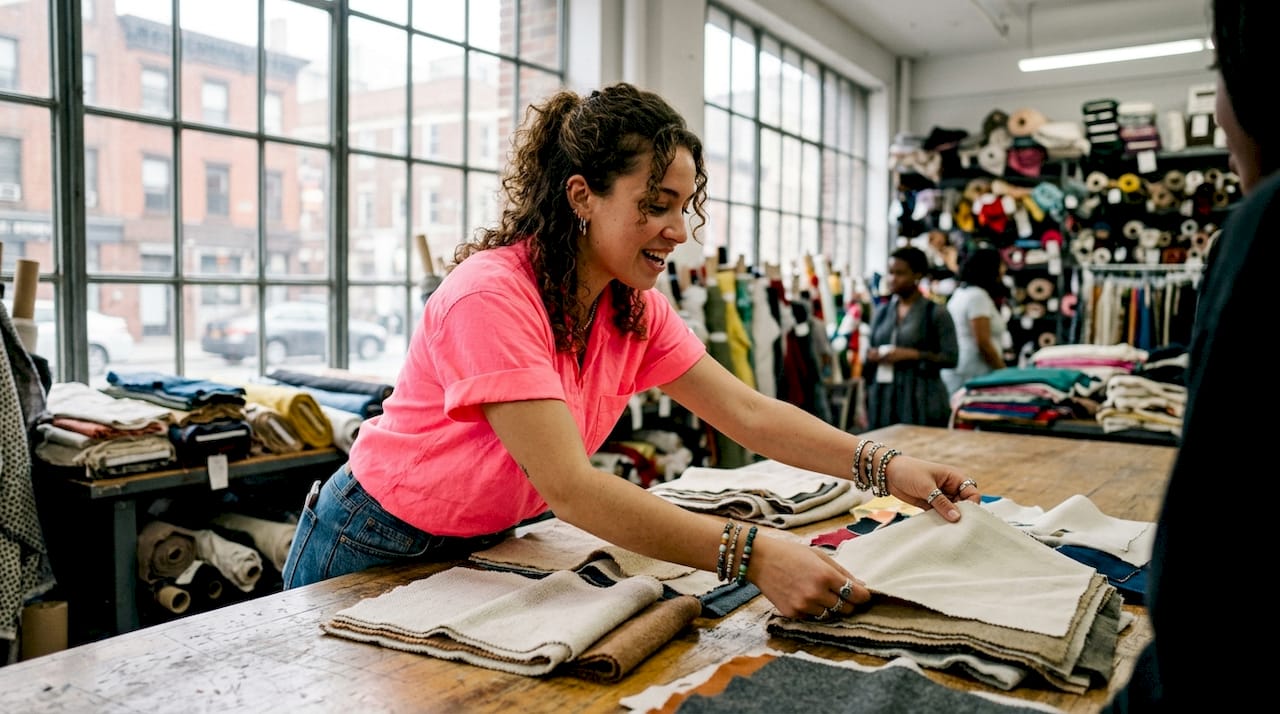
Fabric selection marks authenticity in streetwear collaborations. Heavyweight cotton, archival-inspired fleece, and performance-driven technical fabrics signal that the partnership invested in the product, not just the marketing. Generic logo placement on budget blanks reads as merchandise, not collaboration.
For smaller brands, collaborative design thinking improves product novelty, time-to-market speed, and customer engagement by treating creativity as a collective capability rather than a solo act. That shift in mindset is what separates a meaningful collab from a promotional stunt.
Pro Tip: Build your tech pack before you finalize your factory partner. The pack reveals production complexity early, letting you select a factory with the specific capabilities your design actually requires.
What streetwear design trends are shaping collaborations in 2026?
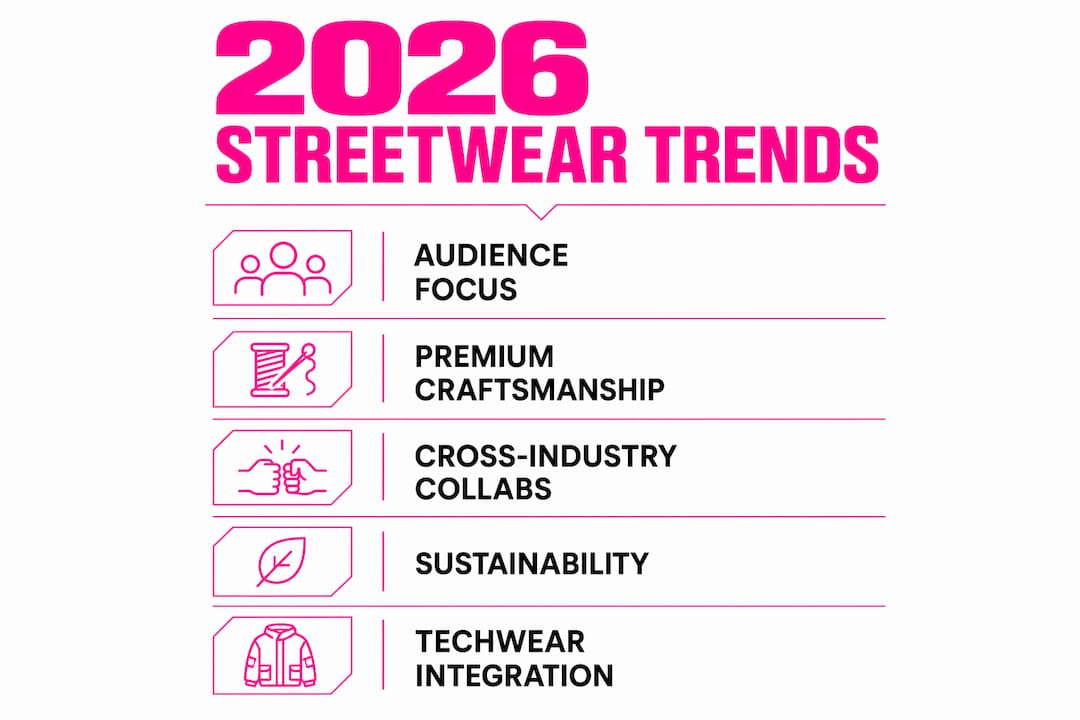
The most significant shift in collaborative fashion design in 2026 is the move away from logomania toward quiet luxury and premium craftsmanship. Experts note this transition as a defining characteristic of the current era, with techwear integration and surrealist aesthetics emerging as the new creative frontiers.
Streetwear culture in 2026 is not one culture. It is several parallel cultures, each with its own visual grammar:
- Quiet luxury streetwear favors tonal palettes, premium natural fibers, and restrained branding. The garment speaks through construction quality, not graphic noise.
- Techwear and hardware-heavy design draws from military surplus, industrial materials, and functional silhouettes. Collaborations in this lane prioritize performance-driven construction and modular design.
- Anime and subculture-driven streetwear uses graphic storytelling, bold color composition, and character-based iconography. These drops function as collector’s items as much as garments.
- Surrealist and art-adjacent collaborations treat the garment as a canvas, incorporating distorted proportions, unexpected material combinations, and aesthetically intriguing print placements.
Streetwear culture is split into distinct lanes, each requiring brands to choose an audience lane before designing. Trying to speak to all lanes simultaneously produces work that resonates with none of them.
Cross-industry collaborations remain strong revenue drivers. Brands like Corteiz generate revenues upwards of $58 million through collaborations, demonstrating that the commercial ceiling for co-design is far higher than most independent labels assume. That figure reflects what happens when cultural credibility and production quality align.
How do collaborations advance sustainability in streetwear?
Sustainability and activism have transitioned from fringe concerns to mainstream necessities in streetwear design collaborations. The most credible partnerships in 2026 embed environmental and social responsibility into the design process itself, not as an afterthought or a marketing layer.
Concrete sustainability practices appearing in collaborative streetwear include:
- Recycled and upcycled materials — Deadstock fabric, post-consumer recycled polyester, and upcycled vintage garments reduce waste without sacrificing design ambition. Czt’s Botanic Camo collection demonstrates how recycled materials can anchor a collection’s entire aesthetic identity.
- Natural and regenerative fibers — Hemp, organic cotton, and Tencel are gaining ground in collaborative drops because they carry both tactile quality and a credible environmental story. Hemp fabric in streetwear offers durability and breathability that synthetic alternatives rarely match.
- Responsible sourcing and supply chain transparency — Collaborations that publish their sourcing practices build deeper trust with eco-conscious communities than those that simply claim sustainability credentials.
- Design as climate communication — Authentic collaborations embed societal and environmental concerns as core design tools. A garment’s colorway, material choice, and graphic language can communicate a position on climate or social justice without a single word of copy.
The sustainable fashion industry is under increasing pressure to reduce emissions across the supply chain, and collaborative streetwear is one of the most visible proving grounds for what responsible production actually looks like at scale. When two brands co-sign a sustainable process, they multiply the reach of that message across both communities.
How can designers build successful collaborative streetwear projects?
Successful collaborative streetwear projects require purposeful creative tension, not comfortable agreement. When both parties bring strong, distinct design languages into the room, the friction produces something neither could have reached alone.
A practical framework for initiating and managing a streetwear collaboration:
- Define your audience lane first. Before sketching a single garment, both teams must agree on which cultural community they are designing for. Audience clarity drives every subsequent decision, from fabric choice to graphic composition to retail channel.
- Write a detailed creative brief rooted in culture. The brief should articulate the shared narrative, the visual references, the production constraints, and the non-negotiables for each brand. Vague briefs produce vague garments.
- Build a Shared Mental Model across teams. High-performing collaboration teams excel in verbal transitions, task-related knowledge sharing, and creative focus early in the design process. Invest in alignment sessions before production begins.
- Prototype iteratively and review samples rigorously. Sample review is where collaborations succeed or fail. Details like embroidery placement, interior taping and labeling elevate a product’s collectibility and signal that both brands cared about the finished object.
- Balance creative ambition with production reality. The most aesthetically intriguing concept collapses if the factory cannot execute it at the required quality level. Design and production teams must communicate continuously throughout development.
Restraint is a design decision. The most collectible collaborative pieces tend to carry a single dominant design language rather than competing graphics from both brands fighting for attention on the same garment. One brand leads the composition; the other enriches it.
Pro Tip: Assign one creative director from each team to serve as the primary liaison. Multidisciplinary alignment moves faster when there are two accountable voices rather than two committees.
Key Takeaways
Collaborative streetwear design succeeds when purposeful creative tension, premium material choices, and a clearly defined audience lane combine to produce limited-edition garments that carry genuine cultural weight.
| Point | Details |
|---|---|
| Definition of collaboration | A strategic co-design partnership producing limited-edition garments neither brand could create alone. |
| Process foundation | Iterative sketching, detailed tech packs, and rigorous sample reviews are non-negotiable for premium results. |
| 2026 trend direction | Quiet luxury, techwear, and surrealist aesthetics are replacing logo-heavy designs as the dominant creative modes. |
| Sustainability as baseline | Eco-conscious material choices and supply chain transparency are now expected, not optional, in credible collaborations. |
| Commercial ceiling | Brands like Corteiz show that culturally credible collaborations can generate revenues upwards of $58 million. |
Czt’s perspective on where collaborative streetwear is heading
We came up in a culture where the most powerful garments told stories that no single brand could own alone. Youth frolicking dangerously to the soundtrack of skateparks and graffiti-covered walls taught us that clothing is never just clothing. It is a declaration, a community signal, a record of where you stood and what you believed.
What we see happening in collaborative streetwear design right now is the most exciting development in the culture’s history: a genuine reckoning with meaning. The era of slapping two logos on a hoodie and calling it a collab is over. The designers and brands earning real appreciation in 2026 are the ones who treat collaboration as a form of authorship, where every material choice, every stitch placement, and every colorway carries intentional weight.
We believe the most underrepresented voices in streetwear are the ones with the most to say. Collaboration is the mechanism that amplifies those voices, giving smaller designers access to production infrastructure, distribution, and community reach that would otherwise take years to build independently. That is the democratic promise of co-design done right.
Sustainability is not a trend we adopted because the market demanded it. It is the only honest way to create in a world that is paying the cost of fashion’s excess. When we work with recycled materials and responsible sourcing, we are not performing ethics. We are practicing them. We encourage every designer entering a collaboration to hold that standard from the first creative brief to the final sample review.
— Czt
Czt and the art of purposeful streetwear collaboration
Czt was built on the belief that streetwear can be both artistically uncompromising and environmentally responsible, and that those two commitments make each other stronger, not weaker.
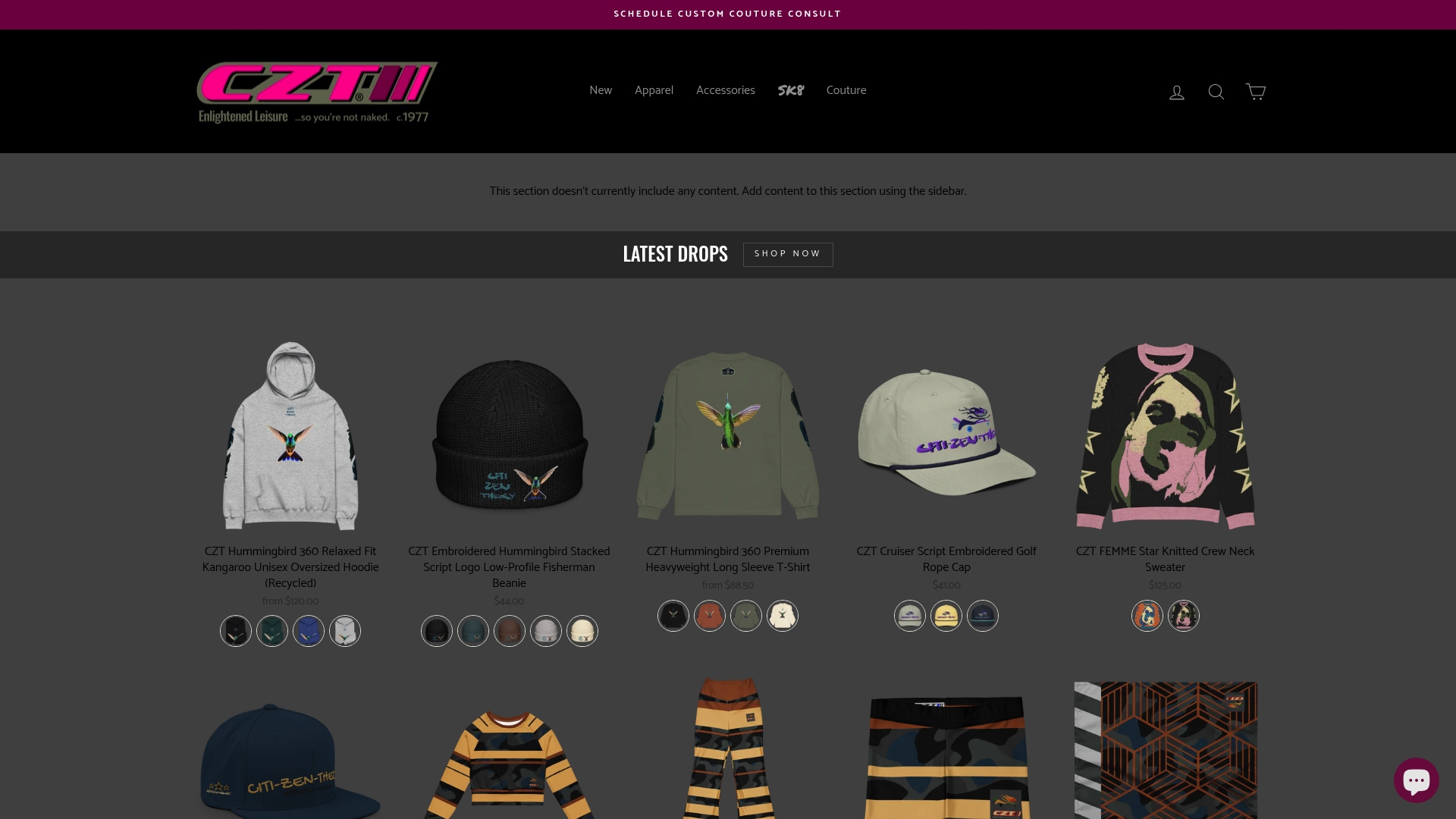
Czt’s custom couture design services let designers and consumers personalize their entire fashion experience, from silhouette to material selection, with recycled and sustainable fabrics at the center of every build. The Botanic Camo collection is one expression of what that philosophy produces: garments that carry a visual identity rooted in nature and constructed with genuine care for the materials involved. Whether you are a designer exploring your first collaboration or a consumer who wants clothing that reflects your values, Czt offers the sustainable streetwear foundation your vision deserves. Explore the full range and bring your collaborative concept to life.
FAQ
What is collaborative streetwear design?
Collaborative streetwear design is a strategic co-design partnership between two or more brands or designers producing limited-edition garments that neither could create independently. The process transforms retail releases into cultural events through shared visual identities, scarcity, and community storytelling.
How does the streetwear collaboration process typically work?
The process moves through creative brief alignment, iterative concept sketching, detailed tech pack development, and production with experienced factory partners. Rigorous sample reviews at each stage ensure both collaborators align on aesthetics and construction quality before the final run.
Why is sustainability important in collaborative fashion design?
Sustainability is now a baseline expectation in credible streetwear collaborations, not an optional feature. Authentic partnerships embed eco-conscious material choices, responsible sourcing, and climate-aware design language as core elements of the creative process.
What are the biggest streetwear design trends in 2026?
The dominant trends are quiet luxury and premium craftsmanship replacing logomania, alongside techwear integration, surrealist aesthetics, and anime-driven graphic storytelling. Each represents a distinct cultural lane requiring brands to commit to a specific audience before designing.
How do smaller brands benefit from collaborative streetwear design?
Collaborative design thinking improves product novelty, time-to-market speed, and customer engagement for smaller fashion brands by treating creativity as a collective capability. Collaboration also gives independent designers access to production infrastructure and community reach that would otherwise take years to build alone.
Recommended
- Top 10 Streetwear Trends 2026 | How CZT Fits In | Fashion Guide – CZT [CITI-ZEN-THEORY]
- Material Innovation in Streetwear: Style Meets Ethics – CZT [CITI-ZEN-THEORY]
- Personalized Streetwear Looks: 9 Bold Style Examples – CZT [CITI-ZEN-THEORY]
- Examples of Upcycled Streetwear Designs That Inspire – CZT [CITI-ZEN-THEORY]