![CZT [CITI-ZEN-THEORY]](http://czt.rocks/cdn/shop/files/CZT_-_Brand_PINK_Label_1_330x.png?v=1774104725)
![CZT [CITI-ZEN-THEORY]](http://czt.rocks/cdn/shop/t/61/assets/CZT-Fast-Logo---Blue-Grey_330x.png?v=98224836737033641471695502660)
![CZT [CITI-ZEN-THEORY]](http://czt.rocks/cdn/shop/files/CZT_-_Brand_PINK_Label_1_170x.png?v=1774104725)
![CZT [CITI-ZEN-THEORY]](http://czt.rocks/cdn/shop/t/61/assets/CZT-Fast-Logo---Blue-Grey_170x.png?v=98224836737033641471695502660)
Traceable Supply Chain Clothing: A Brand Playbook
Traceable supply chain clothing means every garment carries a verifiable record of its own making, batch by batch or item by item, from raw fiber to finished piece, backed by digital or physical evidence anyone can check, answering the demand for slow, transparent supply chains and handmade provenance as described in Why Consumers Are Choosing Slow Fashion and Handmade Clothing. That’s the whole definition. The urgent part is what you do with it: map your Tier 1 factories this quarter, assign a batch or GTIN identifier at the earliest point of production using GS1’s global traceability framework, and pick at least one verification method before you make a single public claim.
We’ve spent years watching brands treat traceability like a marketing afterthought, then scramble when a journalist or auditor asks where a fabric actually came from. It doesn’t have to go that way.
Three moves get you started:
- Map Tier 1 now. List every finishing factory by name and location, formatted so it’s machine-readable, not buried in a PDF.
- Capture identifiers at the source. Assign batch IDs the moment raw material enters production, not after the fact.
- Choose your verification mix early. Decide whether digital records, physical tracers, or both will back your claims before you publicize anything.
Regulators are already moving in this direction. The European Union’s push toward a Digital Product Passport signals that machine-readable origin data won’t stay optional much longer, and brands that build the habit now, using standards like GS1 and frameworks tracked by Fashion Revolution’s Transparency Index, will spend far less catching up later.
Key Takeaways
Traceable supply chain clothing requires identifier standards like GS1, a chosen verification mix, and supplier engagement built into contracts from the start.
| Point | Details |
|---|---|
| Map Tier 1 first | Build a machine-readable factory list before evaluating any platform or standard. |
| Match tracing depth to risk | Reserve raw-material and item-level tracing for high-value or contested-origin materials. |
| Combine digital and physical evidence | Pair ledger-based custody records with lab-tested tracers for claims that need forensic backing. |
| Start small, fund suppliers | Pilot on 5 to 15 SKUs and share tracer or lab-testing costs to reduce supplier resistance. |
| Czt applies these standards internally | Czt sources recycled materials for lines like Botanic Camo and offers custom couture built on the same traceability principles. |
Table of Contents
- What Does Traceable Supply Chain Clothing Actually Mean?
- Which Digital Platforms Make a Supply Chain Traceable?
- Can Physical Tracers Prove Where a Fabric Really Came From?
- What Are the Levels of Clothing Traceability?
- How Do You Build a Traceable Supply Chain Step by Step?
- What Standards and Regulations Should Brands Track?
- Where Do Traceability Programs Actually Break Down?
- How Long Does It Take to Build a Traceable Supply Chain?
- How Can Consumers and Auditors Verify Traceability Claims?
- What Do Real Brand Traceability Pilots Teach Us?
- How Do Blockchain and Physical Tracers Work Together?
- A Note From Czt on Why This Guide Matters to Us
- Bring Traceable, Custom Sustainable Streetwear Into Your Closet
- Frequently Asked Questions
- Sources
What Does Traceable Supply Chain Clothing Actually Mean?
Traceability and transparency get used interchangeably, and that’s where most brands trip up. Traceability is the internal capability: a verifiable chain of custody, with documented handoffs between every supplier tier, backed by data you could produce in an audit tomorrow. Transparency is what happens when you make that data public. You can be traceable without being transparent, quietly. You cannot be transparent without first being traceable. Any brand that publishes a glossy sustainability page without the underlying custody records is building on sand.
The business case for doing both isn’t sentimental. Forced labor exposure in cotton and textile supply chains has become a legal liability, not just a reputational one, and brands without documented custody trails have no defense when a shipment gets flagged at customs. Regulatory readiness matters too. Brands preparing for Digital Product Passport requirements now are building the data infrastructure that will be mandatory later, rather than retrofitting it under deadline pressure. Reliable supplier data also means fewer surprises: fewer sudden factory substitutions, fewer unverifiable “recycled content” claims that unravel under scrutiny.
Fashion Revolution’s Transparency Index tracks a steady rise in brands publishing supplier lists over the past decade, and its core argument is simple: when a brand publishes its factory data, workers, journalists, and watchdog groups gain the ability to actually verify conditions and flag abuses. Disclosure without traceable data behind it is just a press release.
Ethical clothing sourcing depends on that verification loop existing at all. Without it, a “Fair Trade” hangtag is a leap of faith, not a fact.
Which Digital Platforms Make a Supply Chain Traceable?
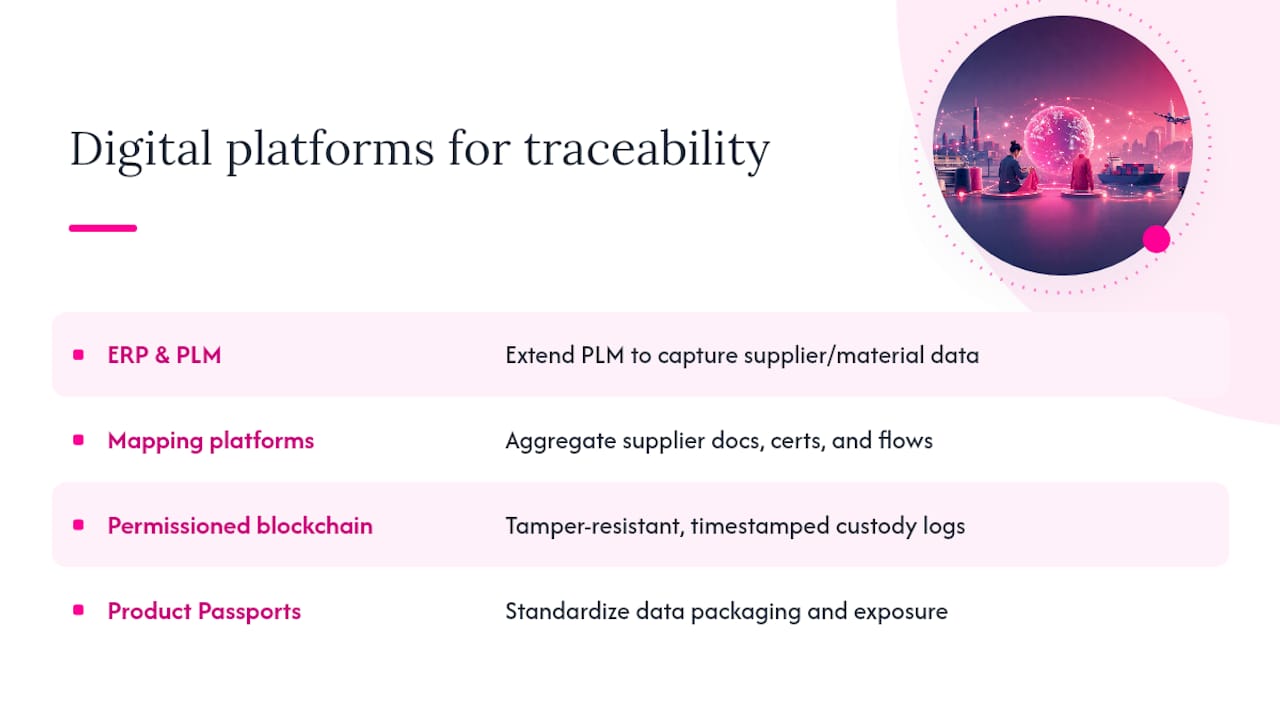
Four categories of digital infrastructure do the heavy lifting for a transparent supply chain apparel program, and most mature brands end up combining at least two.
ERP and PLM integrations extend your existing product lifecycle management system to capture supplier and material data at each production stage, which works well if you already have that infrastructure but need to bolt on traceability fields. Supply-chain mapping platforms, the category tools like TrusTrace occupy, specialize in aggregating supplier documentation, certifications, and material flows into one queryable dataset, often the fastest route for brands starting from spreadsheets and email chains. Permissioned blockchains create tamper-resistant, timestamped custody logs that multiple supply-chain partners can write to without any single party controlling the record. Digital Product Passport frameworks sit on top of all three, standardizing how that underlying data gets packaged and exposed to regulators, auditors, and shoppers.
None of this works without shared identifiers. That’s where GS1’s Global Traceability Standard comes in, defining the identifier schemes and data-exchange formats that let a garment’s history move cleanly between a mill’s system, your ERP, and a future DPP registry. The Open Apparel Registry plays a similar role for facility-level data, giving brands and auditors a shared, deduplicated map of factories that multiple companies can reference against the same facility IDs.
The trade-offs are real. ERP extensions are cheap if you already own the system but weak on tamper resistance. Blockchains are strong on tamper resistance but add licensing and integration cost. Mapping platforms are fast to deploy but depend entirely on supplier data quality. Research on apparel traceability confirms that technology functions primarily as an enabler, digitizing fiber, yarn, fabric, and garment records into a format stakeholders can actually verify, not a replacement for the underlying supplier relationships that make data accurate in the first place.
Pro Tip: Before evaluating any platform, build a GS1-formatted, exportable CSV of your current supplier and batch data. That single dataset becomes your minimum viable record for both platform onboarding and future DPP compliance, and it costs you nothing but a few afternoons of internal audit work.
Can Physical Tracers Prove Where a Fabric Really Came From?
Digital records can be forged upstream, at the point of data entry, in ways a database alone can’t catch. Physical tracers close that gap by embedding a forensic signature directly into the fiber itself.
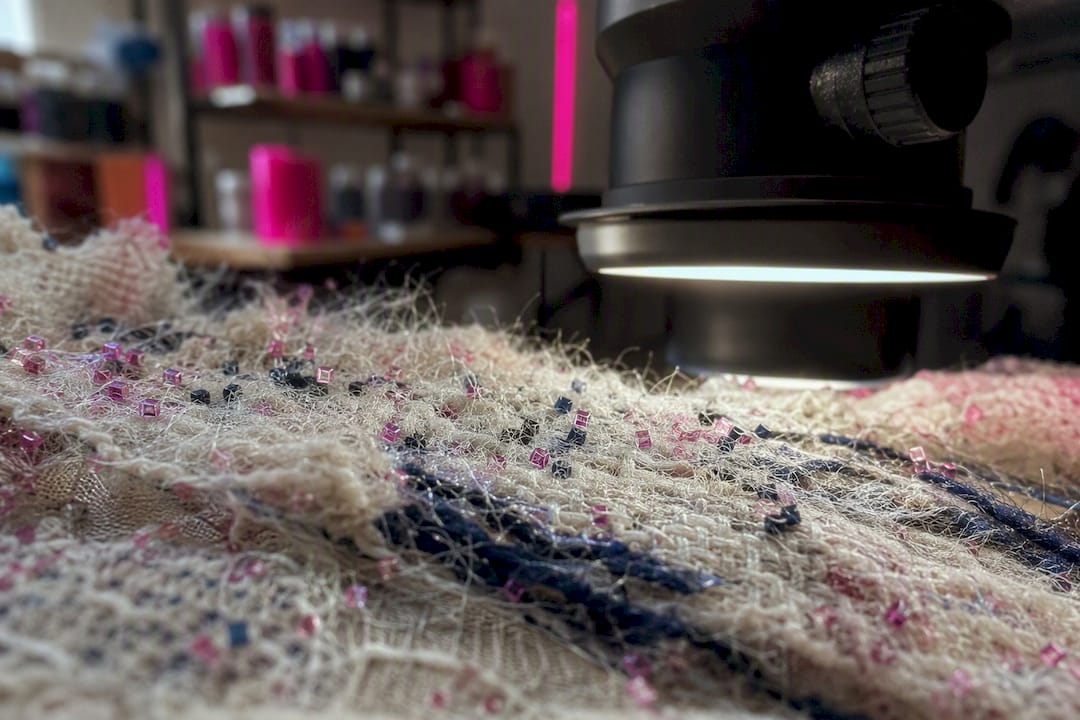
Synthetic DNA markers, the kind Haelixa applies to fiber and yarn, get physically bonded to the material and later extracted in a certified lab to confirm authenticity, useful for verifying recycled content claims that would otherwise rely on paperwork alone. Isotopic fingerprinting analyzes naturally occurring isotope ratios that vary by growing region, helpful for confirming raw cotton or wool origin without adding anything synthetic. Chemical and polymer tags offer a lower-cost middle ground for batch-level authentication when full DNA tagging isn’t justified.
These tools make the most sense in specific situations:
- High-value fibers where fraud risk is elevated, like organic cotton or traceable wool.
- Recycled-content verification, where “contains 30% recycled polyester” needs lab-grade proof, not a supplier’s word.
- Contested origin claims, where a region’s sourcing history is disputed and paperwork alone won’t settle it.
Combining blockchain transaction logs with synthetic DNA markers lets brands cross-reference a digital custody trail against physical laboratory evidence, closing the gap between what a database says happened and what actually happened to the fiber.
The catch is cost and workflow. Physical tracing requires certified sampling protocols, accredited labs, and documented chain-of-custody at every handoff, which adds real expense and isn’t something you deploy across your entire catalog on day one.
What Are the Levels of Clothing Traceability?
Not every SKU needs the same depth of tracing. Most brands find it useful to think in three tiers.
Basic traceability means you have a documented Tier 1 factory list, the finishing facilities that cut and sew your garments, and nothing deeper. Intermediate adds Tier 2 visibility, the mills and processors that produce your fabric, linked to specific production batches. Advanced traceability reaches raw material origin, with item or batch-level identifiers connecting a finished garment back to the farm, forest, or recycling stream it started as.
The minimal dataset scales with each tier:
| Traceability level | Minimum data captured | Typical identifier |
|---|---|---|
| Basic (Tier 1) | Factory name, location, certification status | Supplier ID |
| Intermediate (Tier 2) | Mill/processor ID, batch links, timestamped custody events | Batch ID + GTIN |
| Advanced (raw material) | Origin location, lab test results, certification flags | Item-level ID + batch ID |
- Choose batch-level tracking for high-SKU-count lines where item-level costs would be prohibitive.
- Reserve item-level identifiers for limited runs, high-value pieces, or lines carrying specific recycled-content claims.
- Match your granularity choice to your actual fraud and reputational risk, not to what sounds most impressive on a hangtag.
How Do You Build a Traceable Supply Chain Step by Step?
Most traceability programs fail not from lack of ambition but from skipping governance and going straight to tools. Here’s the sequence that actually holds up.
- Define scope and governance. Pick which product lines and material risk tiers you’re tackling first (recycled cotton hoodies before your entire catalog), assign a named owner, and set a realistic budget before evaluating any vendor.
- Map your existing suppliers. Gather whatever documentation already exists, invoices, certificates, factory audits, and consolidate it into one machine-readable dataset, even if it starts as a shared spreadsheet.
- Design a limited pilot. Choose 5 to 15 SKUs, decide which DPP-style fields you’ll capture (origin, batch ID, certification status), and pick your verification mix, digital records alone or digital paired with physical tracers.
- Set pilot KPIs. Track trace depth reached (Tier 1 versus raw material), the percentage of pilot items with verifiable origin data, and average time-to-verify a single claim.
- Negotiate supplier engagement terms. Build traceability data-sharing clauses into contracts, offer cost-sharing for tracer application or lab testing, and set clear audit expectations upfront rather than after a dispute.
- Integrate and automate. Connect your pilot data model into existing ERP or PLM systems, train supplier-side staff on data entry standards, and automate reporting so the program doesn’t depend on manual spreadsheet updates.
- Scale deliberately. Expand SKU coverage in phases, prioritizing material categories with the highest reputational or regulatory risk first.
A few things make or break each stage:
- Supplier resistance drops when you offer cost-sharing for lab testing or tracer application rather than mandating it unfunded.
- Contract language should specify data format, not just “provide traceability information,” which suppliers will interpret loosely if you let them.
- KPIs need a baseline before the pilot starts, or you’ll have no way to prove the program worked.
Pro Tip: Run your pilot on a single product family with straightforward supplier relationships first, a recycled cotton tee line, say, rather than your most complex technical outerwear. You want to debug your data model against an easy case before layering in complications.
What Standards and Regulations Should Brands Track?
Three frameworks matter most right now, and none of them require you to wait for final legislation before acting.
GS1’s identifier and data-exchange standards give you a foundation that’s already interoperable with most existing ERP and DPP pilot programs. The Open Data Standard for the Apparel Sector (ODSAS), alongside Open Apparel Registry facility mappings, gives brands a shared, deduplicated format for publishing factory data that auditors and NGOs can actually cross-reference against other companies’ disclosures. On the regulatory side, the EU’s evolving Digital Product Passport concept is pushing toward mandatory machine-readable origin and material data, and industry reporting notes that many brands are still stalling at Tier 1 disclosure because the underlying data gets lost further upstream.
Practical alignment steps:
- Reformat your Tier 1 factory list into an ODSAS-compatible structure now, before it’s mandatory.
- Map every existing identifier field to GS1 schemas so future DPP integration doesn’t require a rebuild.
- Assign someone to monitor EU regulatory updates quarterly, since DPP requirements are still being finalized.
Where Do Traceability Programs Actually Break Down?
Most programs don’t fail from bad intentions. They fail from predictable, fixable gaps.
The most common pitfall is stopping at Tier 1 and calling it done, when the actual risk (forced labor, unverified organic claims) usually sits at the raw material or Tier 2 level. Incomplete batch records happen when suppliers update systems inconsistently, breaking the custody chain silently. Legacy IT silos mean your ERP and your supplier’s spreadsheet were never designed to talk to each other. And plenty of suppliers simply resist sharing data they see as competitively sensitive.
Mitigation is mostly about incentive design, not more software:
- Offer cost-sharing on lab testing or platform onboarding fees to lower supplier resistance.
- Run phased pilots so data gaps surface on a small scale before they become catalog-wide problems.
- Use purchasing leverage, prioritizing future orders to suppliers who meet data-sharing terms.
Watch for red flags: inconsistent supplier IDs across documents, certificates that can’t be verified against an issuing body, and custody records with no timestamps. Any one of these should stop a claim from going public.
How Long Does It Take to Build a Traceable Supply Chain?
Budget for four rough phases, adjusted for your SKU complexity. Discovery, mapping existing suppliers and documentation, typically runs zero to three months. Pilot design and execution takes another three to nine months. Integration into ERP and PLM systems, plus supplier training, runs nine to eighteen months. Full scale across your catalog is typically an eighteen-month-plus commitment.
Cost drivers cluster around a few categories: data cleanup and initial supplier mapping (often the most labor-intensive and underestimated step), platform licensing fees, physical tracer application and certified lab testing where you use them, supplier onboarding and audit costs, and systems integration work to connect new data flows into existing infrastructure.
If budget is tight, prioritize spend on data cleanup and a narrow pilot before licensing an enterprise platform. A clean, accurate dataset covering fifteen SKUs proves the model faster and cheaper than a sophisticated platform layered over unreliable supplier data.
How Can Consumers and Auditors Verify Traceability Claims?
A traceability claim only means something if someone outside your company can check it. Three verification pathways do that work: forensic lab testing against physical tracers, tamper-resistant ledger records that can’t be edited retroactively, and third-party audits from independent certification bodies.
For consumer-facing proof, a QR code linked to a Digital Product Passport record is becoming the standard pattern, showing vetted origin and material data without exposing supplier contact details or proprietary contract terms. The trick is tiering access: shoppers see basic provenance (fiber origin, certification status), while auditors get a richer dataset through a secured portal.
Pro Tip: Build your consumer-facing data view and your auditor-facing data view as two separate layers from day one. Retrofitting privacy controls onto a single flat dataset later is far more expensive than designing the split upfront.
What Do Real Brand Traceability Pilots Teach Us?
The pilots that actually produce usable data share a pattern: narrow scope, shared cost, and a KPI defined before launch.
Brands that limited their first pilot to a single material category, recycled denim or organic cotton basics, consistently reached deeper trace levels faster than brands that tried to trace an entire seasonal collection at once. Programs that shared tracer application or lab testing costs with suppliers saw far less pushback than those that mandated new documentation unfunded. And the pilots with the cleanest results almost always defined their KPI, percentage of items reaching Tier 2 verification, say, before a single supplier conversation happened.
When you’re evaluating any brand’s traceability case study as a model for your own program, ask three questions: how deep did the trace actually reach (Tier 1 factory list, or raw material origin)? What verification method backed the claim, self-reported data, or lab-tested physical evidence? And would this approach reproduce cleanly across your own SKU mix, or did it depend on a supplier relationship you don’t have?
How Do Blockchain and Physical Tracers Work Together?
The strongest verification setups link two different kinds of evidence: a digital custody trail and a forensic material signature.
A permissioned ledger records each custody event, a fiber leaving a farm, entering a mill, being spun into yarn, as a timestamped transaction that supply-chain partners can write to but not retroactively edit. Researchers proposing blockchain frameworks for textile traceability describe smart contracts that validate these transactions automatically, flagging inconsistencies before they propagate downstream. That’s the digital half.
The physical half comes from lab-tested tracers, synthetic DNA markers or isotopic signatures, sampled at key production stages and verified by an accredited lab. The workflow: tag raw material at origin, record each custody handoff on the ledger, pull samples for lab testing at critical checkpoints, then link the lab report back to the corresponding ledger entry.
The two systems compensate for each other’s weaknesses. A ledger can’t tell you if someone lied about a fiber’s origin at the point of data entry, and a lab test alone can’t tell you the full custody history. Combined, they close both gaps.
Pro Tip: Keep lab reports off-ledger and linked by reference rather than embedded directly. This protects sensitive supplier data while still letting an auditor trace from a DPP entry straight to the underlying forensic evidence.
A Note From Czt on Why This Guide Matters to Us
We built our Botanic Camo collection on recycled materials because we believe a garment’s story should hold up to scrutiny, not just look good on a tag. Every custom couture piece we design carries that same standard: if we can’t trace where a material came from, we don’t put our name on it.
Bring Traceable, Custom Sustainable Streetwear Into Your Closet
Reading about traceability standards is one thing. Wearing the result is another. Czt builds every Botanic Camo piece from recycled materials with sourcing we can actually document, and our custom couture service means you’re not just buying a traceable garment, you’re commissioning one designed around your own fit, story, and style.
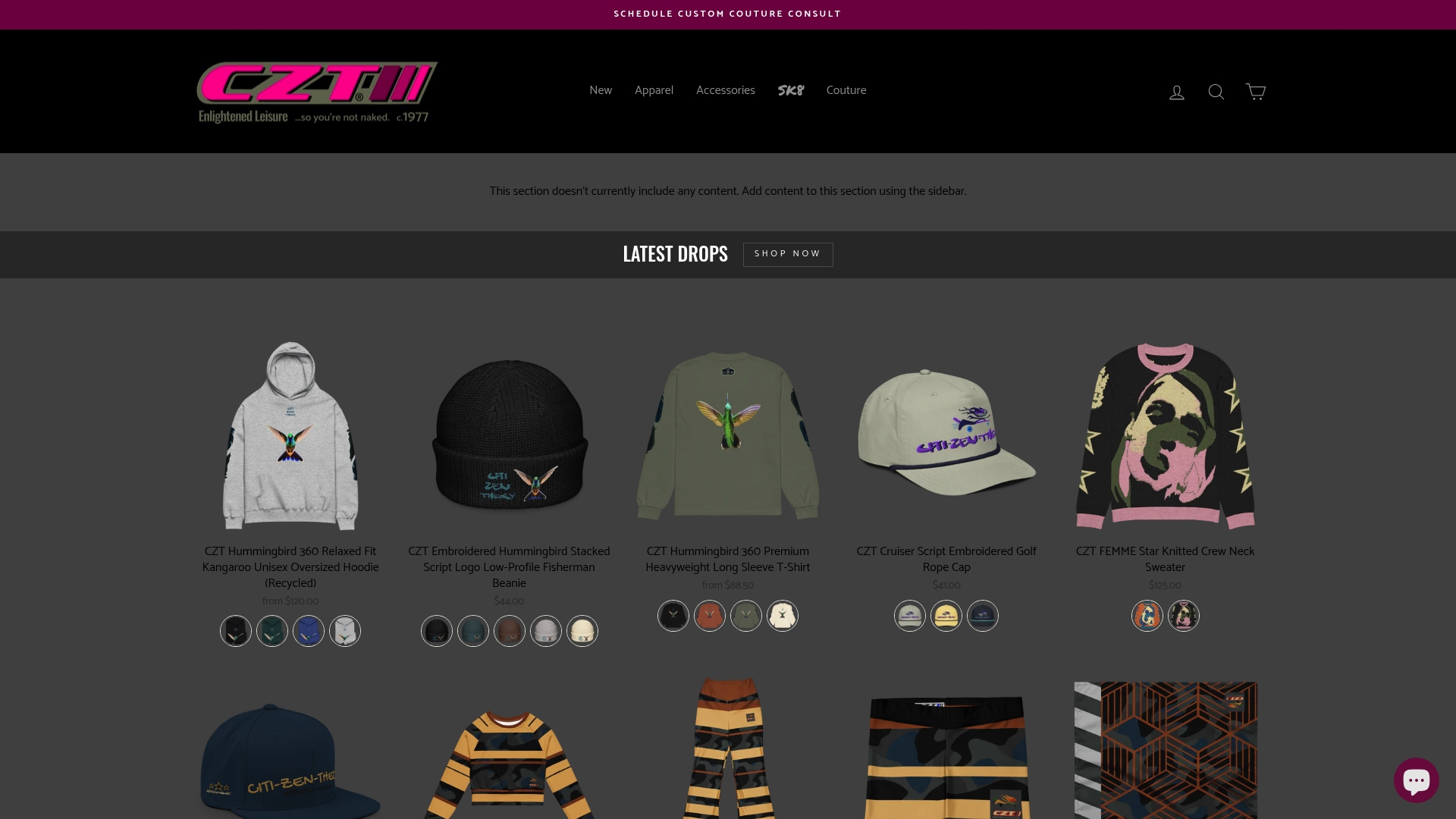
If you’ve followed this playbook and still want a shortcut to genuinely accountable streetwear rather than building your own verification program from scratch, that’s exactly what Czt offers: recycled materials, a documented sourcing approach, and a design process personalized enough that no two commissions look identical. Explore the Botanic Camo collection or start a custom couture consultation to design a piece built around materials you can actually trust.
Frequently Asked Questions
What’s the difference between traceable and transparent clothing? Traceable means the brand has an internal, verifiable record of custody from raw material to finished garment. Transparent means that record, or parts of it, gets made public. A brand can be traceable without being transparent, but not the reverse.
How do I know if a clothing brand’s supply chain is genuinely traceable? Look for published Tier 1 factory lists formatted against standards like ODSAS, third-party lab verification for material claims, or a QR-linked Digital Product Passport showing origin data. Vague sustainability language with no underlying data is a red flag, a pattern worth checking against a guide to spotting greenwashing before trusting a claim.
Do small or independent brands need blockchain to be traceable? No. A well-maintained, GS1-formatted spreadsheet tracking supplier IDs and batch numbers covers basic and intermediate traceability for most small brands. Blockchain and physical tracers become worthwhile once you’re managing complex, multi-tier supply chains or need forensic proof for high-value claims.
What is a Digital Product Passport, and is it mandatory yet? A Digital Product Passport is a standardized digital record attached to a product, typically accessed via QR code, showing material origin, certification status, and custody data. It’s not universally mandatory yet, but EU regulatory movement suggests brands preparing their data infrastructure now will face far less disruption when requirements finalize.
How much does it cost to start a traceability program? Costs scale with scope and technology choice. A basic pilot using existing spreadsheets and a GS1-formatted dataset costs primarily internal labor. Adding physical tracers, certified lab testing, or a dedicated mapping platform adds licensing and per-sample testing fees, which is why most programs start narrow and scale only after proving the model works.
Sources
For ongoing due diligence, keep these close: GS1’s Global Traceability Standard for identifier schemes, Fashion Revolution’s Transparency Index for disclosure benchmarking, the Human Rights Watch report on apparel transparency for ODSAS context, and peer-reviewed blockchain traceability research for technical architecture.
- Fashion Transparency Index : Fashion Revolution
- Traceability in the Apparel Supply Chain: Technology is an Enabler
- Blockchain-based framework for supply chain traceability: A case example of textile and clothing industry
- GS1 Global Traceability Standard
Recommended
- How to Compare Sustainable Streetwear Brands Methodically – CZT [CITI-ZEN-THEORY]
- How to Avoid Greenwashing in Fashion: A Buyer’s Guide – CZT [CITI-ZEN-THEORY]
- How to Source Eco-Friendly Streetwear Pieces Globally – CZT [CITI-ZEN-THEORY]
- Regenerative Fashion Collections: 8 Inspiring Examples – CZT [CITI-ZEN-THEORY]