![CZT [CITI-ZEN-THEORY]](http://czt.rocks/cdn/shop/files/CZT_-_Brand_PINK_Label_1_330x.png?v=1774104725)
![CZT [CITI-ZEN-THEORY]](http://czt.rocks/cdn/shop/t/61/assets/CZT-Fast-Logo---Blue-Grey_330x.png?v=98224836737033641471695502660)
![CZT [CITI-ZEN-THEORY]](http://czt.rocks/cdn/shop/files/CZT_-_Brand_PINK_Label_1_170x.png?v=1774104725)
![CZT [CITI-ZEN-THEORY]](http://czt.rocks/cdn/shop/t/61/assets/CZT-Fast-Logo---Blue-Grey_170x.png?v=98224836737033641471695502660)
Skate Apparel Layering Techniques That Actually Work
Skate apparel layering techniques are methods that combine function-driven garments to regulate temperature, protect against abrasions, and express authentic streetwear style across changing conditions. The practice goes far beyond throwing on an extra shirt. Done right, layering is a system: a moisture-wicking base, an insulating mid-layer, and a protective outer shell that you can strip back as your session heats up. Skate culture has always treated clothing as equipment, and brands like Czt have built entire collections around that truth. The techniques below give you a practical framework for building outfits that move with you, look intentional, and hold up on the board.
1. Skate apparel layering techniques: choosing your key pieces
The foundation of any layered skate outfit is garment selection. Each layer has a job, and picking the wrong piece for that job breaks the whole system.
Base layer choices set the tone for comfort and performance. A fitted, moisture-wicking fabric pulls sweat away from your skin during active sessions, keeping you dry whether you are skating a park in october or a heated indoor bowl in january. Graphic tees work perfectly here because they stay visible under open outer layers, which matters in skate culture where the art on your shirt is part of the composition.
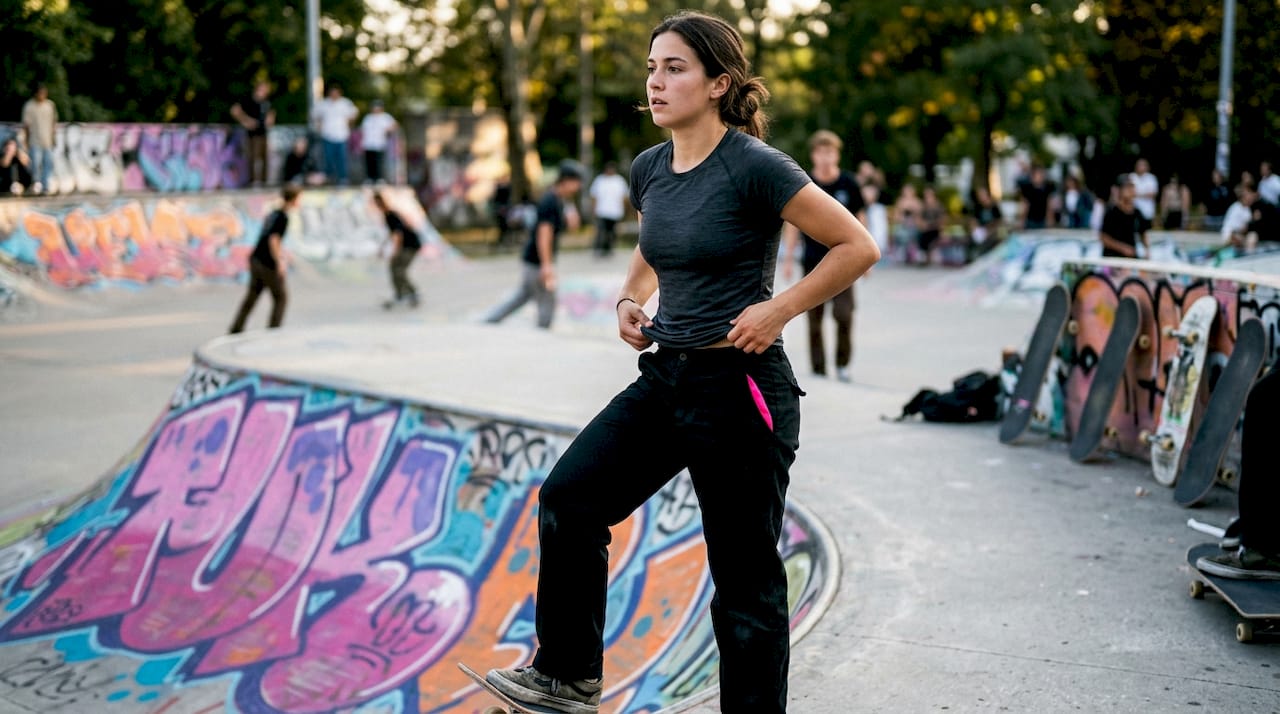
Mid-layers add insulation and personality. Flannels, hoodies, and zip-up sweatshirts all qualify. The key requirement is room to move. A mid-layer that restricts your shoulder rotation or bunches at the waist during a crouch is a hazard, not a style choice.
Outer layers handle wind and light weather. Overshirts, chore coats, and lightweight technical jackets all serve this role. They need to open and close easily so you can regulate temperature without stopping your session.
- Base: fitted, stretch-blend tee or long-sleeve
- Mid: flannel, hoodie, or zip sweatshirt with room at the shoulders
- Outer: overshirt, chore coat, or windproof shell
Pro Tip: Avoid 100% cotton base layers. Blends with spandex or elastane provide the mechanical stretch needed for wide-stance crouches and keep their shape session after session.
2. The long-sleeve under short-sleeve technique
The long-sleeve under short-sleeve combination is the signature move of skate fashion layering. It functions as both a thermal system and a visual frame for your graphic tee.
The mechanics are simple. A fitted long-sleeve shirt goes on first, acting as a base layer that traps insulating air between the two shirts. The short-sleeve graphic tee sits on top, its design fully visible and centered. The result is a tiered silhouette that reads as deliberate without looking overdressed.
Protection is a real benefit here, not just a talking point. The extra layer of fabric at your arms reduces road rash severity during falls. Skaters who spend hours on concrete know that abrasion protection matters, and two thin shirts deliver it without the bulk of a jacket.
- Choose a long-sleeve in a neutral or contrasting color to frame the graphic tee
- Keep the base layer fitted so it does not bunch under the top shirt
- Match fabric weights so the outer tee drapes naturally
Pro Tip: Push your long sleeves up to the elbows mid-session for quick thermal adjustment. You get the protection and the layered look without overheating.
You can extend this technique by adding a hoodie or open denim jacket as a third layer. The long-sleeve cuffs peek out below the tee, the tee graphic stays visible through the open jacket, and you have three distinct visual planes working together. That depth is what separates a composed skate outfit from a random pile of clothes.
3. Balancing proportions and textures for authentic skate style
Proportion is the most misunderstood element of skate fashion layering. The goal is contrast, not uniformity. One fitted piece paired with one relaxed piece creates visual tension that reads as intentional. Head-to-toe baggy or head-to-toe fitted collapses into a costume.
Authentic skate style results from combining one oversized or baggy piece with fitted or structured items. A navy overshirt worn open over a fitted gray tee and stone-colored trousers is a textbook example. The overshirt adds volume at the top, the tee anchors the midsection, and the trousers keep the lower half clean.
Texture mixing adds depth that color alone cannot. Cotton, fleece, and technical blends each catch light differently and create tactile contrast when layered. A smooth cotton tee under a brushed flannel under a waxed canvas overshirt gives you three distinct surfaces that make the outfit feel considered rather than accidental.
| Proportion Pairing | Why It Works |
|---|---|
| Fitted tee + relaxed overshirt | Volume contrast reads as intentional |
| Slim pants + oversized hoodie | Balances silhouette top to bottom |
| Structured chore coat + baggy tee | Adds formality without losing skate identity |
| Cropped hoodie + wide-leg pants | Centers visual weight at the waist |
Earth tones and neutrals hold layered outfits together. Olive, stone, navy, and charcoal all sit comfortably next to each other, so you can mix pieces without clashing. Reserve one graphic or bold color element per outfit and let the rest support it.
- Avoid matching every piece to the same color family
- Let hem lengths vary slightly to create visual layering even when the jacket is closed
- Mix at least two different fabric textures per outfit
4. Movement and safety: layering strategies for active skating
Fit is a functional requirement for skate apparel, not just an aesthetic preference. Clothing too baggy risks snagging on your board, while clothing too tight restricts motion and comfort during tricks. The target is a relaxed-active cut that allows wide bending without fabric tension or catching.
Pants with a mid-to-high rise keep your waistband in place during deep crouches and prevent the gap that exposes your lower back when you bend forward. That gap is not just a style problem. It lets cold air in and creates a pressure point when you fall. A proper rise eliminates both issues.
Fabric stretch is the deciding factor for base and mid-layers. Blends with elastane or spandex maintain durability and provide the mechanical stretch needed for wide-stance crouches without restricting movement. Pure cotton stretches once and stays stretched, losing its shape and fit over a session.
- Choose pants with mid-to-high rise for stability during crouches
- Avoid drawstring cords or loose hardware that can catch on grip tape
- Test your full range of motion before committing to a layered outfit for a session
Pro Tip: Do a full squat and arm raise in the fitting room or at home before skating in a new layered outfit. If any layer pulls or bunches, size up or choose a different cut.
Outer layers for active skating need to open fully and stay open. A jacket that flaps closed during a run is a distraction. Snap buttons or a single front zip work better than multiple closures that shift during movement.
5. How to adapt your layers for different weather and environments
Skate apparel for different seasons demands a different approach to the same three-layer system. The system stays constant. The materials and weights change.
Cold weather street skating calls for a thermal base layer, a fleece or heavyweight hoodie as the mid-layer, and a windproof or water-resistant outer shell. A beanie handles heat loss at the head, which is where the body sheds warmth fastest. A skate bandana worn around the neck acts as a removable buffer against wind chill without adding bulk to your torso layers.
Warm weather and indoor skating reduces the system to two layers or even one. A performance tee as the base and a lightweight overshirt worn open covers most warm-day scenarios. The overshirt gives you the layered look and a place to put your hands without trapping heat.
| Condition | Base Layer | Mid-Layer | Outer Layer |
|---|---|---|---|
| Cold street skating | Thermal long-sleeve | Heavyweight hoodie | Windproof shell |
| Mild weather | Stretch tee | Flannel or zip sweatshirt | Overshirt |
| Warm or indoor | Performance tee | None | Lightweight open overshirt |
| Wet conditions | Moisture-wicking base | Fleece hoodie | Water-resistant jacket |
Transitioning from skating to off-board activities is where layering pays its biggest dividend. You can remove the outer shell and roll up your sleeves to shift from session mode to street mode without changing your entire outfit. That cold weather layering flexibility is built into the system from the start, not added as an afterthought.
Accessories complete the adaptation. Beanies, bandanas, and neck gaiters all add or remove thermal mass quickly. They cost less than a new jacket and give you more precise temperature control than any single garment can.
Key takeaways
Effective skate apparel layering requires a relaxed-active fit, stretch-blend fabrics, and deliberate proportion contrast to deliver both performance and authentic style.
| Point | Details |
|---|---|
| Base layer fabric matters | Choose stretch blends over 100% cotton for flexibility and shape retention during skating. |
| Long-sleeve under short-sleeve is functional | This technique traps insulating air, reduces abrasion risk, and frames your graphic tee. |
| Proportion contrast defines the look | Pair one fitted piece with one relaxed piece to avoid a costume-like appearance. |
| Fit protects movement and safety | A relaxed-active cut prevents snagging and allows full range of motion on the board. |
| Adapt layers to conditions | Swap fabric weights and add accessories to adjust the same three-layer system across seasons. |
Czt’s perspective on layering as a living practice
We have watched skate style move from the concrete of neighborhood spots into the editorial pages of high-end fashion publications, and the thread connecting both worlds is the same: layering that respects freedom of movement above all else. Skate style’s enduring appeal comes from combining workwear durability with streetwear comfort, and that combination only works when the clothes actually let you skate.
The mistake we see most often is treating layering as a styling exercise divorced from function. Skaters who pile on garments for the look alone end up restricted, overheated, or snagged mid-trick. The composition has to serve the body first. Style follows naturally when the fit is right.
What we find genuinely interesting is how skate layering’s influence on broader fashion reflects its functional roots. Silhouettes that originated from the need to crouch, fall, and recover now appear in runway collections. That is not coincidence. It is proof that clothing designed for real physical demands carries an authenticity that purely aesthetic fashion cannot replicate.
Our advice: resist the urge to buy a complete “skate look” in one transaction. Build your layers over time, mixing pieces from different sources and letting the outfit develop its own studied scruffiness. The personalized streetwear approach always reads more authentically than a coordinated set. Wear what moves with you. The rest takes care of itself.
— Czt
Czt layering pieces built for the board and the street
Czt designs skate apparel with the three-layer system in mind. The Full SK8 Trick List Performance Tee is built as a base layer that holds its shape under flannels and hoodies, with graphic designs that stay visible through open outer layers. Every piece is constructed from materials chosen for durability and stretch, so your outfit performs as well on the board as it looks off it.
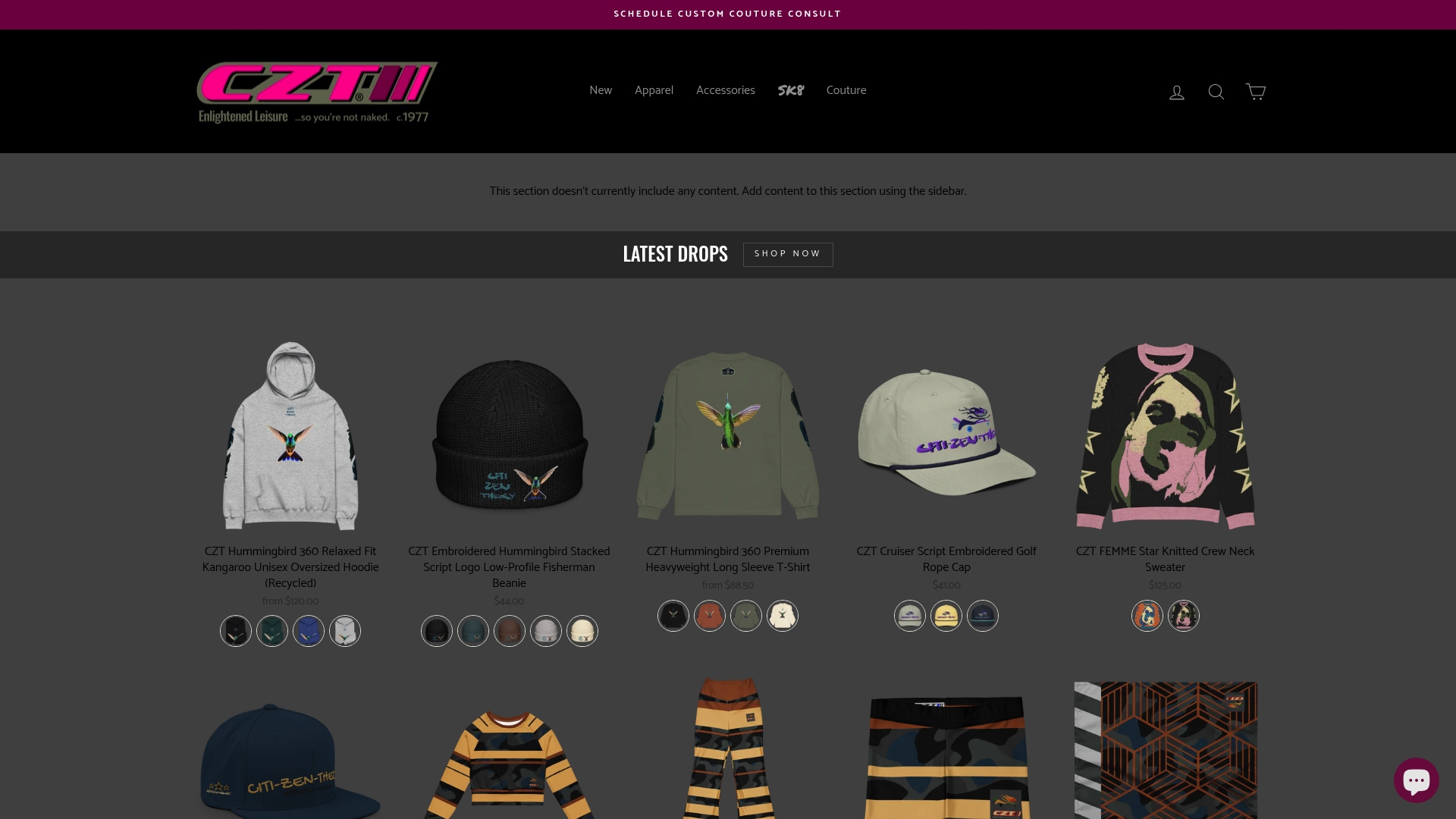
Czt’s collection spans graphic tees, performance skate shirts, and accessories like the SK8 Trick List Bandana, giving you the building blocks for a complete layered outfit rooted in skate culture and sustainable production. Browse the full range and start building a layered wardrobe that moves with you, not against you, at czt.rocks.
FAQ
What does layering mean in skate style?
Layering in skate style means combining multiple garments, typically a base tee, a mid-layer like a hoodie or flannel, and an outer shell, to regulate temperature and add visual depth. The system prioritizes freedom of movement and the ability to add or remove pieces during a session.
What is the best base layer for skateboarding?
A fitted tee or long-sleeve made from a stretch blend with spandex or elastane is the best base layer for skateboarding. Pure cotton loses its shape quickly and lacks the mechanical stretch needed for crouching and trick movements.
How do I avoid looking like I am wearing a costume in skate fashion?
Pair one baggy or oversized piece with one fitted or structured piece. Mixing proportions creates visual contrast that reads as intentional rather than a head-to-toe themed look.
Can I use the same layering system in warm weather?
Yes. In warm weather, reduce the system to two layers: a performance tee as the base and a lightweight overshirt worn open. The overshirt provides the layered aesthetic without trapping heat.
How do I push long sleeves for temperature control while skating?
Push the long-sleeve cuffs up to your elbows mid-session. This adjusts your thermal output without removing the layer, keeping the abrasion protection and layered look intact.
Recommended
- Layer Streetwear for Cold Weather Skating in Style – CZT [CITI-ZEN-THEORY]
- Moisture Wicking Skate Shirts: 9 Performance Benefits – CZT [CITI-ZEN-THEORY]
- What Does Moisture-Wicking Mean for Skate Gear? – CZT [CITI-ZEN-THEORY]
- CZT Full SK8 Trick List Performance Skate T-Shirt | Durable & Stylish – CZT [CITI-ZEN-THEORY]