![CZT [CITI-ZEN-THEORY]](http://czt.rocks/cdn/shop/files/CZT_-_Brand_PINK_Label_1_330x.png?v=1774104725)
![CZT [CITI-ZEN-THEORY]](http://czt.rocks/cdn/shop/t/61/assets/CZT-Fast-Logo---Blue-Grey_330x.png?v=98224836737033641471695502660)
![CZT [CITI-ZEN-THEORY]](http://czt.rocks/cdn/shop/files/CZT_-_Brand_PINK_Label_1_170x.png?v=1774104725)
![CZT [CITI-ZEN-THEORY]](http://czt.rocks/cdn/shop/t/61/assets/CZT-Fast-Logo---Blue-Grey_170x.png?v=98224836737033641471695502660)
How to Choose a Sustainable Hoodie That Actually Lasts
Choose a sustainable hoodie by prioritizing certified materials, heavier fabric weight, and verified labor standards over vague marketing language. A hoodie built on GOTS-certified organic cotton or GRS-certified recycled fibers, weighing in around 370 to 420 GSM, with transparent factory sourcing, will outlast and outperform almost anything sold on a green claim alone. Czt builds toward exactly this standard, which makes it worth a look once you understand the criteria yourself.
TL;DR:
- Choosing a hoodie with a fabric weight between 370 and 420 GSM ensures greater durability and longevity than lighter options typically in the 250 to 300 GSM range.
- Prioritize certifications like GOTS for organic fiber verification and GRS for recycled content to confirm claim authenticity and avoid greenwashing.
- Look for construction details such as reinforced seams, taped stress points, and preshrunk fabric, which significantly extend a hoodie’s wear life.
- Care habits like washing cold, inside out, and avoiding high heat preserve fabric integrity, while odor-resistant finishes reduce wash frequency.
- Verify transparency by checking fiber content percentages, factory disclosures, and clear certification markings before purchasing to ensure credible sustainability claims.
Table of Contents
- What materials make a hoodie genuinely sustainable?
- Which certifications actually verify a sustainability claim?
- What construction details signal a durable hoodie?
- How do you care for a hoodie to make it last longer?
- What’s your buying checklist for avoiding greenwashing?
- How does Czt apply these standards to its own hoodies?
- Why Czt fits the criteria this guide just laid out
- Where to verify these standards yourself
- Sources
What materials make a hoodie genuinely sustainable?
The fiber content on the label tells you more about a hoodie’s future than any leaf icon printed beside it. We’ve spent years inside fabric houses and cutting rooms, and the pattern holds: the material decision made before a single stitch happens is the one that determines whether a garment survives five years of skate sessions and laundry cycles, or dies in one winter.
Organic cotton grown without synthetic pesticides breathes well and softens with age, but it drinks water during cultivation and, alone, isn’t recyclable back into new cotton at scale. Recycled polyester, usually reclaimed from plastic bottles, diverts waste from landfills and performs well against moisture, though it sheds microplastics in the wash and can’t claim the biodegradability organic fibers offer. Recycled cotton reuses textile scrap and post-consumer garments, avoiding virgin material entirely, but the reclaiming process shortens fiber length, which can mean a slightly less durable weave unless it’s blended smart. Hemp grows with minimal water and enriches soil rather than depleting it, and it’s remarkably tough, though its stiffer hand feel isn’t for everyone straight off the rack. TENCEL/lyocell, made from wood pulp through a closed-loop process, delivers a silky drape and biodegrades cleanly, but it’s rarely the primary fiber in a hoodie meant for hard wear.
Blends split the difference. A common formula, something like 60% organic cotton and 40% recycled polyester, balances cotton’s breathability against polyester’s shape retention, though that mix sacrifices the easy end-of-life recyclability a mono-material garment offers.
- Organic cotton: soft, biodegradable, water-intensive to grow
- Recycled polyester: durable, diverts waste, sheds microplastics
- Recycled cotton: zero virgin material, shorter fibers unless blended
- Hemp: low water, high durability, stiffer texture
- TENCEL/lyocell: smooth drape, biodegradable, less common as a primary fiber
Some brands now finish garments with plant-based antimicrobials, like peppermint oil treatments or aloe micro-encapsulation, which keep fabric fresher between wears. That matters more than it sounds. Fewer washes mean less water, less energy, and less fiber breakdown over a hoodie’s life.
Which certifications actually verify a sustainability claim?
Anyone can print “eco-friendly” on a hangtag. Certifications are the difference between a claim you can trust and a claim you’re taking on faith, so learning to read them is the single highest-leverage skill in this whole buying process.
GOTS (Global Organic Textile Standard) certifies organic fiber content and regulates the processing stages and social criteria along the supply chain, making it the standard to prioritize when you want a verified organic cotton claim, not just a marketing gesture. GRS (Global Recycled Standard) does the equivalent job for recycled content, tracing reclaimed fiber from source to finished garment. OEKO-TEX tests for harmful chemical residues in the finished fabric, which matters for anyone who’s ever broken out in a rash from a “natural” shirt treated with the wrong dye. Fair Trade and WRAP certifications address the labor side: wages, working conditions, factory audits.
Here’s the quick prioritization rule:
- Want proof of organic fiber? Look for GOTS first.
- Want proof of recycled content? Look for GRS first.
- Want proof of chemical safety? Look for OEKO-TEX.
- Want proof of ethical labor? Look for Fair Trade or WRAP.
A hoodie carrying two or three of these isn’t just greener. It’s verifiably greener, which is a different thing entirely.
What construction details signal a durable hoodie?
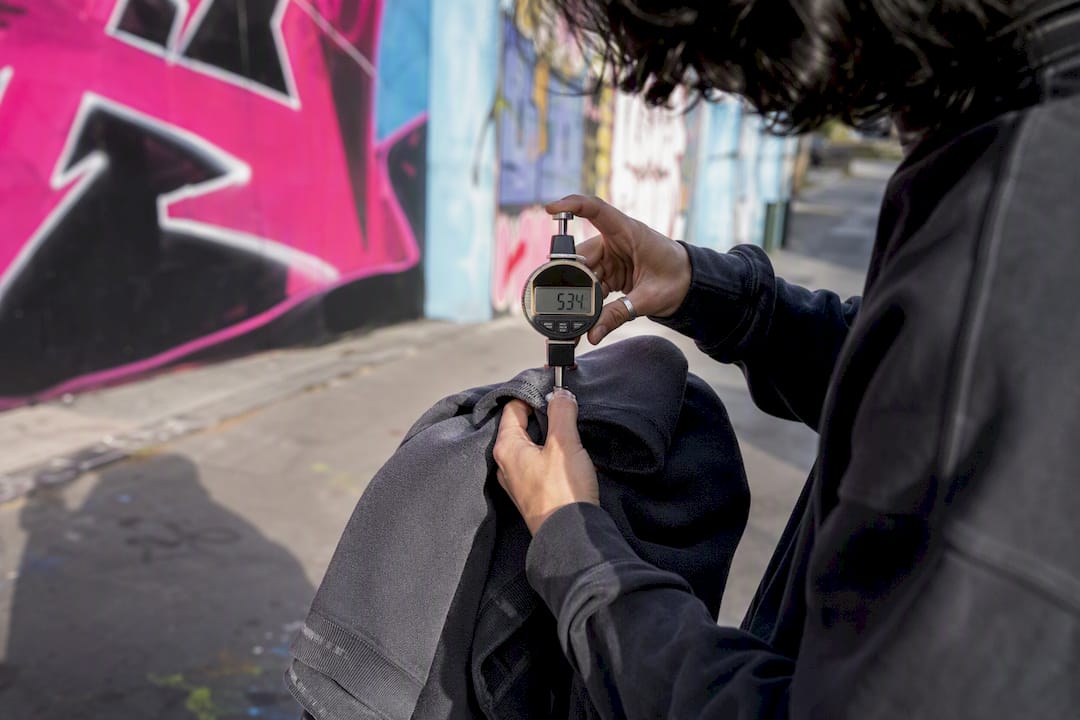
Fabric weight, measured in GSM (grams per square meter), is one of the most reliable durability signals you’ll find on a spec sheet, and it’s criminally underused by shoppers. Thin fashion hoodies often sit in the 250 to 300 GSM range. That’s fine for a mild day indoors, but it won’t survive years of grip-tape scrapes, backpack straps, or a washing machine’s spin cycle. A heavyweight, built-to-last hoodie generally falls between 370 and 420 GSM, and that extra density is what separates a hoodie you replace annually from one you patch and keep wearing.
Weight alone doesn’t finish the job. Construction details do the rest:
- Double-needle seams at stress points (shoulders, cuffs, hem)
- Taped or reinforced shoulder seams to resist tearing under backpack straps
- Preshrunk or pre-washed fabric, which prevents post-wash shrinkage and warped fit
- Ribbed cuffs and waistband with real elastic recovery, not just cotton that stretches out
Fit matters more than most buying guides admit. A hoodie cut for one narrow use case gets worn less. A slightly oversized, versatile fit that layers well and moves with you extends the garment’s real-world use-life, which is its own form of sustainability.
Pro Tip: Check the GSM number before you check the price. A $65 hoodie at 400 GSM will usually outlast a $40 hoodie at 260 GSM by several winters, which makes it the cheaper option once you do the math per wear.
How do you care for a hoodie to make it last longer?
Care habits determine whether a well-built hoodie reaches its full lifespan or gets retired early from neglect. Most of the damage we see on returned or repaired garments traces back to heat: hot water, high dryer temperatures, aggressive spin cycles.
- Wash cold and inside out to protect the fiber surface and any printed graphics.
- Use a low-spin cycle to reduce mechanical stress on seams.
- Hang to dry when you can, and skip the dryer’s high-heat setting when you can’t.
- Address pilling early with a fabric shaver rather than letting it spread.
- Catch loose seams and zipper snags right away. A five-minute repair now prevents a garment from being written off in six months.
Odor-control finishes change this equation directly. A hoodie treated with peppermint oil or aloe micro-encapsulation can go several wears between washes without smelling like it, and fewer wash cycles is one of the highest-impact, lowest-effort ways to shrink a garment’s lifetime footprint. It’s a small design choice with an outsized payoff.
Pro Tip: If your hoodie doesn’t have an odor-resistant finish, a quick baking soda soak before washing can stretch the time between cycles almost as effectively.

What’s your buying checklist for avoiding greenwashing?
Vague language is the biggest tell that a “sustainable” claim won’t hold up under scrutiny. Run every hoodie through this sequence before you buy:
- Confirm the fiber content percentage, not just a category like “eco fabric.”
- Check for a real certification, GOTS, GRS, OEKO-TEX, Fair Trade, or WRAP, printed on the product page, not implied by adjacent language.
- Look up the GSM. If it’s not listed, that’s a gap worth asking about.
- Scan for construction details: reinforced seams, taped shoulders, preshrunk fabric.
- Check whether the brand names its factories or supply chain partners, since product-page transparency about manufacturing origin is a meaningful signal on its own.
- Read the repair and return policy. Brands confident in their construction usually stand behind it.
Red flags worth walking away from: “recycled materials” with no percentage attached, “sustainably made” with no named certification, and product pages silent on where or by whom the garment was actually produced. If customer service can’t answer a direct question about fiber content or factory location within a message or two, treat that as your answer. For a deeper framework on separating real claims from marketing polish, our guide to spotting greenwashing walks through the specific phrasing to watch for, and this step-by-step approach to comparing sustainable brands is worth bookmarking before your next purchase. Shoppers who want an outside perspective on fit-first sustainable shopping should also look at this practical shopping guide, which covers similar territory from a different angle.
How does Czt apply these standards to its own hoodies?
We built our approach to hoodies around the same criteria we just walked you through, because a guide that doesn’t survive contact with our own product line isn’t worth publishing. Our Botanic Camo collection runs on recycled materials specifically to keep virgin fiber demand down, and we target the heavier end of the GSM range because a hoodie that skates, layers, and gets washed weekly needs the reinforcement to match. Reinforced shoulder seams and taped stress points aren’t upsell language for us. They’re the baseline. For readers who want custom couture rather than an off-the-rack fit, that same durability standard carries into every personalized piece we design. Our oversized hoodie reflects those same choices, and our breakdown of skate-ready hoodie durability goes deeper on the construction side if you want the specifics.
— CZT
Why Czt fits the criteria this guide just laid out
Everything above points to the same conclusion: a sustainable hoodie earns its label through certified fiber, real GSM weight, and construction that survives actual use, not through a hangtag. Czt was built around that exact logic. Recycled materials anchor collections like Botanic Camo, construction choices lean toward the reinforced, heavyweight end of the spectrum, and our custom couture service means the fit and finish get personalized rather than mass-guessed. If you’re a skater, a parent shopping for durable pieces, or simply someone who wants a hoodie that survives more than one season, that combination is difficult to find elsewhere at the same price point.
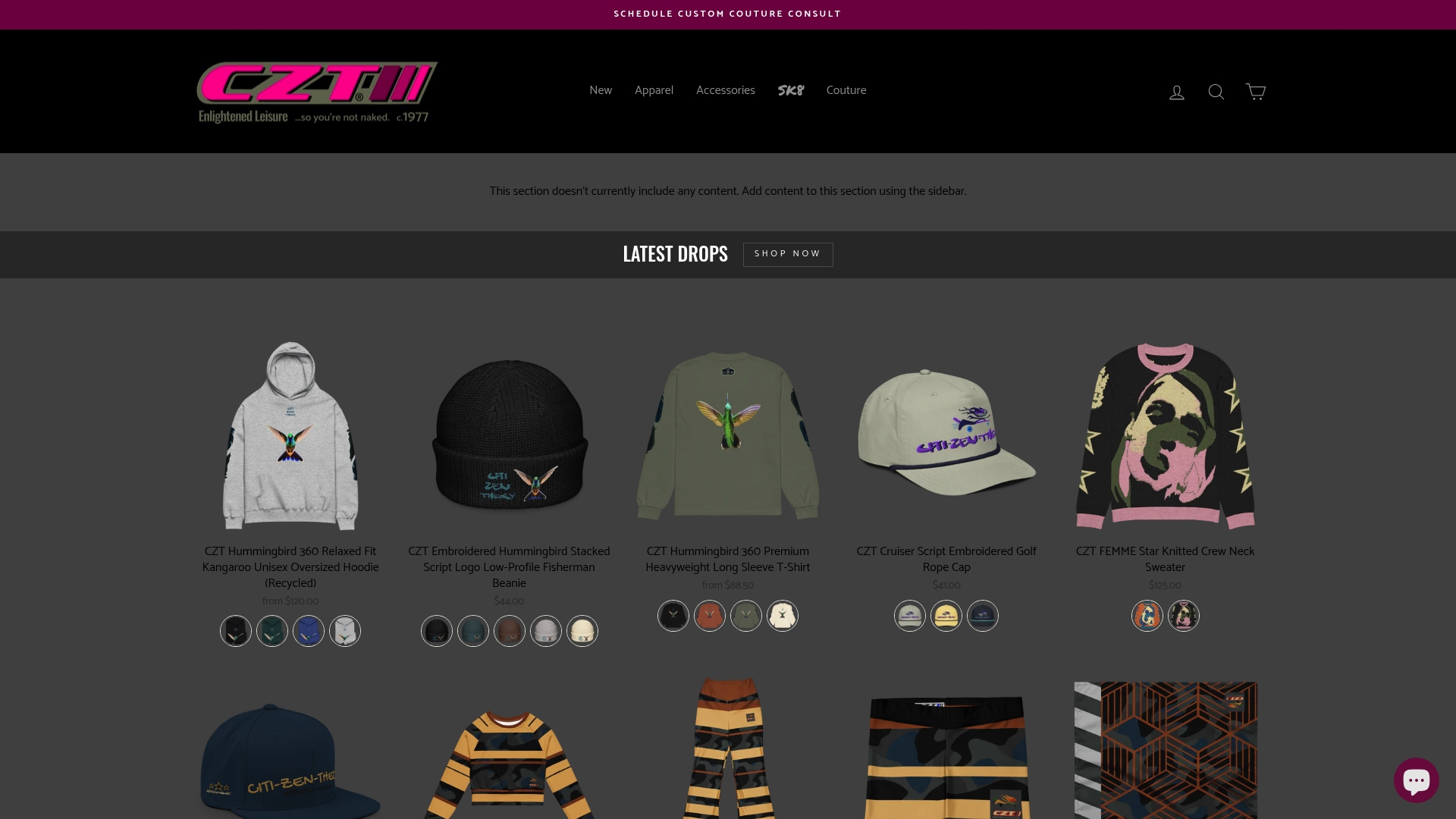
Browse the current lineup or start a custom couture conversation directly at Czt, and see which hoodie in the Botanic Camo collection matches the checklist you just read.
Where to verify these standards yourself
For deeper reading on the certifications, fabric weights, and finishes covered here, Sustainable Jungle’s guide to sustainable hoodies breaks down GOTS and GRS in detail, Ready-One’s fabric guide explains GSM measurement, and Good On You’s roundup covers odor-reducing finishes across the market. For a broader materials primer beyond hoodies specifically, First Rise Outfitters’ guide to sustainable fabric choices is a solid companion read.
Sources
- Sustainable Hoodies: What to look for (Sustainable Jungle)
- Hoodie fabric guide: GSM weight (Ready-One)
- Hoodies and sweats that are kinder to the planet (Good On You)
- Unisex Organic CVC Fleece Pullover Hoodie (Allmade)
Recommended
- Skate Hoodie Picks for Durability and Skate-Ready Fit – CZT [CITI-ZEN-THEORY]
- Why Longevity Defines Sustainable Clothing in 2026 – CZT [CITI-ZEN-THEORY]
- How to Compare Sustainable Streetwear Brands Methodically – CZT [CITI-ZEN-THEORY]
- Top 10 r4clothing.com Alternatives for Eco Streetwear – CZT [CITI-ZEN-THEORY]