![CZT [CITI-ZEN-THEORY]](http://czt.rocks/cdn/shop/files/CZT_-_Brand_PINK_Label_1_330x.png?v=1774104725)
![CZT [CITI-ZEN-THEORY]](http://czt.rocks/cdn/shop/t/61/assets/CZT-Fast-Logo---Blue-Grey_330x.png?v=98224836737033641471695502660)
![CZT [CITI-ZEN-THEORY]](http://czt.rocks/cdn/shop/files/CZT_-_Brand_PINK_Label_1_170x.png?v=1774104725)
![CZT [CITI-ZEN-THEORY]](http://czt.rocks/cdn/shop/t/61/assets/CZT-Fast-Logo---Blue-Grey_170x.png?v=98224836737033641471695502660)
Top 4 Pangaia.com Alternatives for 2026
Finding sustainable streetwear clothing that genuinely aligns with environmental ideals while offering bold style and creativity remains elusive for many of us. Too many well-marketed brands either limit sizing, default to generic designs, or restrict custom orders to collaborations that move too quickly to access. This comparison makes it possible to select a clothing label that mirrors your artistic voice, ethical priorities, and real-world fit needs without compromising self-expression.
Table of contents
czt.rocks
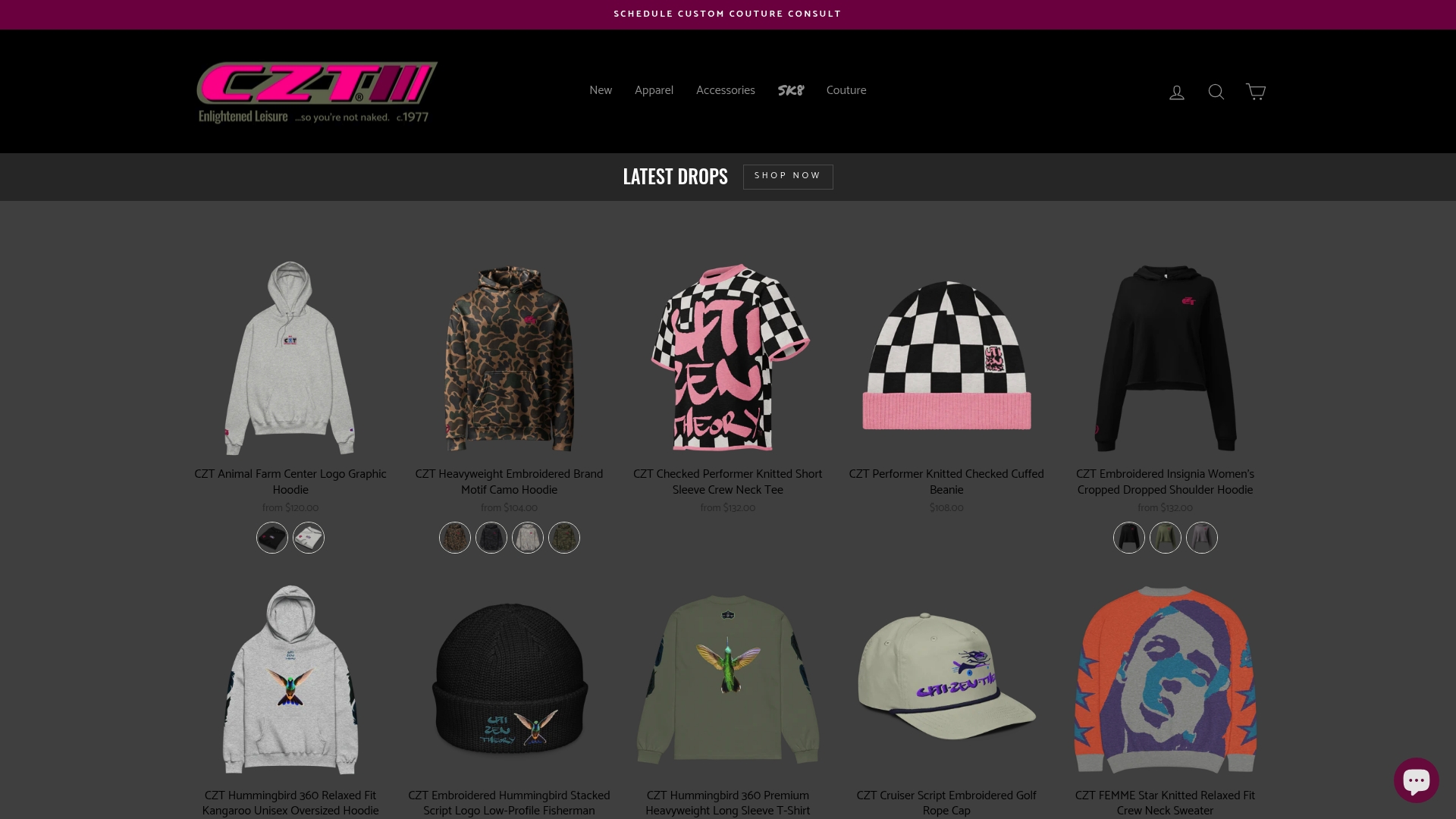
At a glance
Custom-made products are crafted on demand to reduce waste. Czt pairs that production model with limited-edition collaborations and in-house couture services. The catalog covers apparel for men, women, and kids, plus accessories and skate gear designed with bold graphics and premium materials.
Core features
- on-demand manufacturing for custom orders and smaller runs, which cuts overproduction and waste.
- limited-edition collaborations with artists and designers that create short-run drops and collectible pieces.
- in-house design services that let customers commission personalized couture and custom prints.
- Wide assortment of apparel, accessories, and skateboard gear for everyday wear and performance.
- Global shipping that reaches most urban markets and supports the brand community.
Key differentiator
On-demand manufacturing combined with in-house couture services defines Czt. This approach lets the brand produce exclusive pieces only when customers order them, which reduces leftover inventory. That method supports the brand aesthetic while aligning product creation with environmental concerns.
Pros
- Unique, bold designs: Czt delivers graphic-driven pieces that read as statement items in streetwear culture. You will find looks that stand out in a crowd.
- High-quality, durable fabrics: The collections use materials meant to last through regular wear and skateboard use. That choice supports a longer product life.
- Strong community presence: Social channels and collaborations connect the brand to skate and street scenes. That presence helps drops feel culturally relevant.
- On-demand manufacturing reduces overproduction: The production model limits waste and lowers the brand’s environmental footprint. It also makes pieces feel more exclusive.
- Wide product range covering casual apparel, kids sizes, accessories, and skate equipment to meet varied streetwear needs.
Cons
- Limited stock of some items due to the limited-edition approach, which can make desirable pieces hard to buy at release.
Who it’s for
Czt fits young urban trendsetters, streetwear aficionados, and skate culture fans who value exclusivity and custom design. Buyers often want bold graphics, durable materials, and the option to personalize items. The brand also appeals to eco-aware shoppers who prefer made-on-demand clothing.
Unique value proposition
Custom couture orders are produced only after you place them, so you can commission one-off pieces without adding to mass inventory. That model keeps costs tied to production instead of warehousing and gives buyers access to truly exclusive streetwear that reflects personal taste.
Real world use case
A customer designs a personalized hoodie and matching accessories for a local skate event. They choose custom prints through the in-house design service and place the order. When the pieces arrive, the customer wears them at the event and shares photos online, which boosts the collection’s visibility among peers.
Pricing
Accessories like caps start around $40. Hoodies and sweatshirts begin at about $170. Czt offers free shipping on orders over $100 and occasional discounts on bundles and new-release promotions.
Website: https://czt.rocks
Rapanui
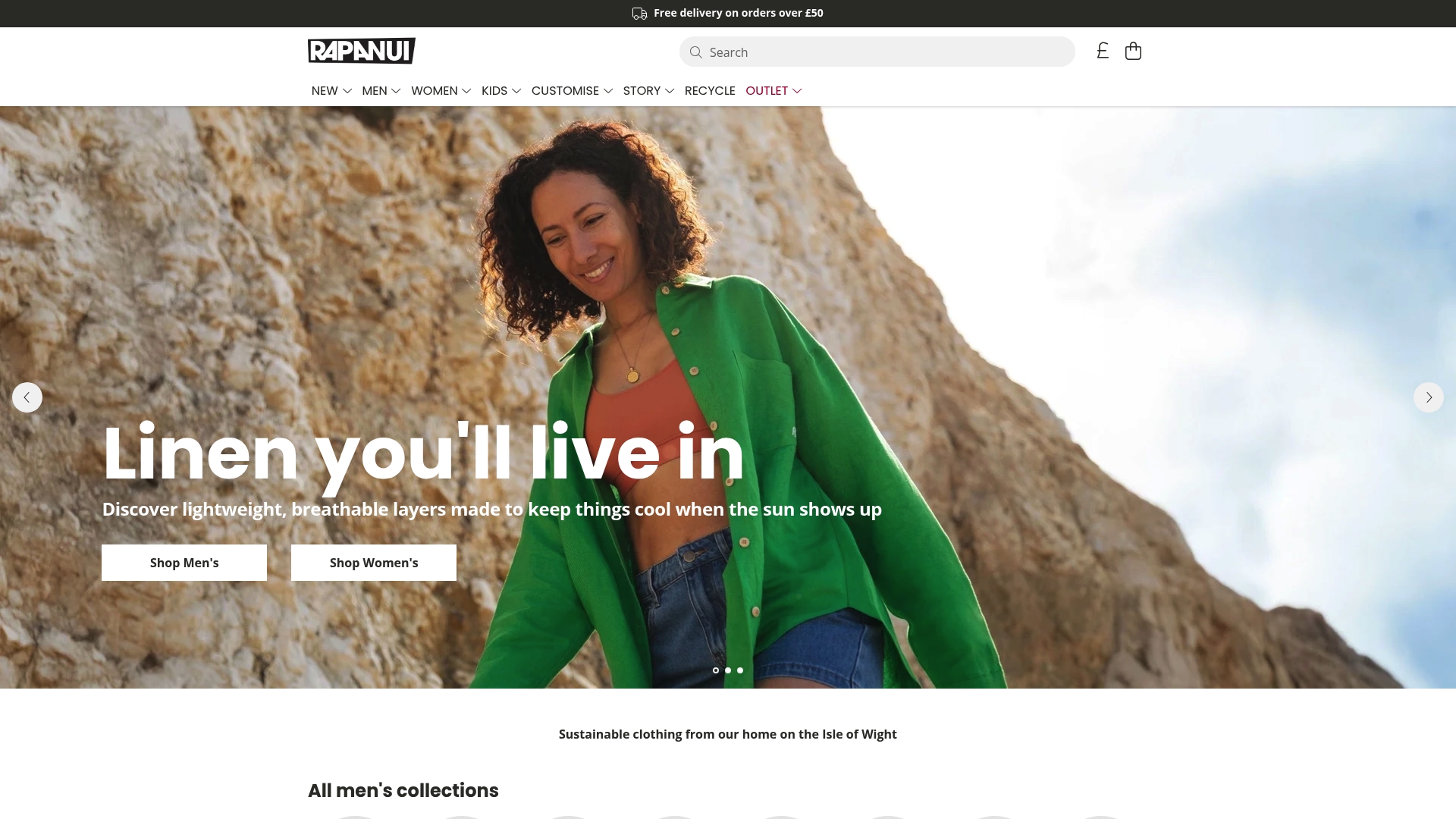
At a glance
The company runs on demand production to cut overstock and waste, and it asks customers to return worn garments for remaking. According to the company, their factories run on renewable energy and they ship in plastic free packaging. That combination makes Rapanui a practical choice for shoppers who want everyday essentials with a clear waste reduction plan.
Core features
Rapanui builds clothes with on demand production to avoid mass overproduction and leftover stock. They operate a circular economy program that accepts used garments for recycling and remaking. Materials are primarily organic and recycled fabrics, covering T shirts, sweatshirts, jackets, and accessories. The brand also offers custom printing and personalization services for small runs.
Key differentiator
Rapanui’s main distinction is its integrated circular economy model tied to on demand manufacturing. That approach reduces the typical retail flow of mass orders, storage, and markdown waste. For shoppers who want a visible closed loop from material to product and back, Rapanui makes that loop part of the buying experience.
Pros
-
High quality textiles made from organic and recycled sources. Many reviewers praise the fabric feel and garment construction.
-
Strong sustainability practices across production, packaging, and recycling. The company highlights renewable energy use and transparent sourcing.
-
Broad product range for men, women, and kids that covers everyday basics and outerwear. This makes building a simple, consistent wardrobe easier.
-
Custom printing and personalization let you order unique pieces while keeping production quantities small. That supports both individual style and reduced waste.
-
Clear recycling incentives for customers who return items. The program rewards reuse and keeps material in play.
Cons
-
Sizing runs inconsistent for some items, so expect to check measurements before buying. This increases the chance of returns.
-
Delivery can be slower in some regions and tracking has occasional hiccups. That will matter if you need rapid arrival.
-
Some customers report garments thinning or shrinking after repeated washes. Durability varies between styles.
-
International shipping options are limited for certain countries. Availability may block buyers outside the United Kingdom.
When it may not fit
If you need rapid, global delivery with predictable sizing, Rapanui may not fit your needs. The brand focuses on small batch production over wide distribution. Customers outside the United Kingdom or regions with limited shipping options will face constraints.
Who it’s for
This brand fits environmentally conscious individuals and families who value traceable sourcing and long term garment use. It suits people willing to pay a modest premium for organic and recycled materials. Parents who want organic kids clothing and anyone who prefers simple, customizable basics will find Rapanui useful.
Real world use case
A parent buys recurring packs of basic T shirts and hoodies made from organic fibers. They use the print on demand service to add a family logo for casual matching. After several seasons, the parent returns worn garments to earn credit and reduce landfill waste.
Pricing
Most garments range from £14 for kids T shirts to about £90 for jackets. Adult items commonly sit in the 20–60 GBP range. Orders over £50 qualify for free delivery and bundle discounts reduce per item cost.
Website: https://rapanuiclothing.com
Virgio
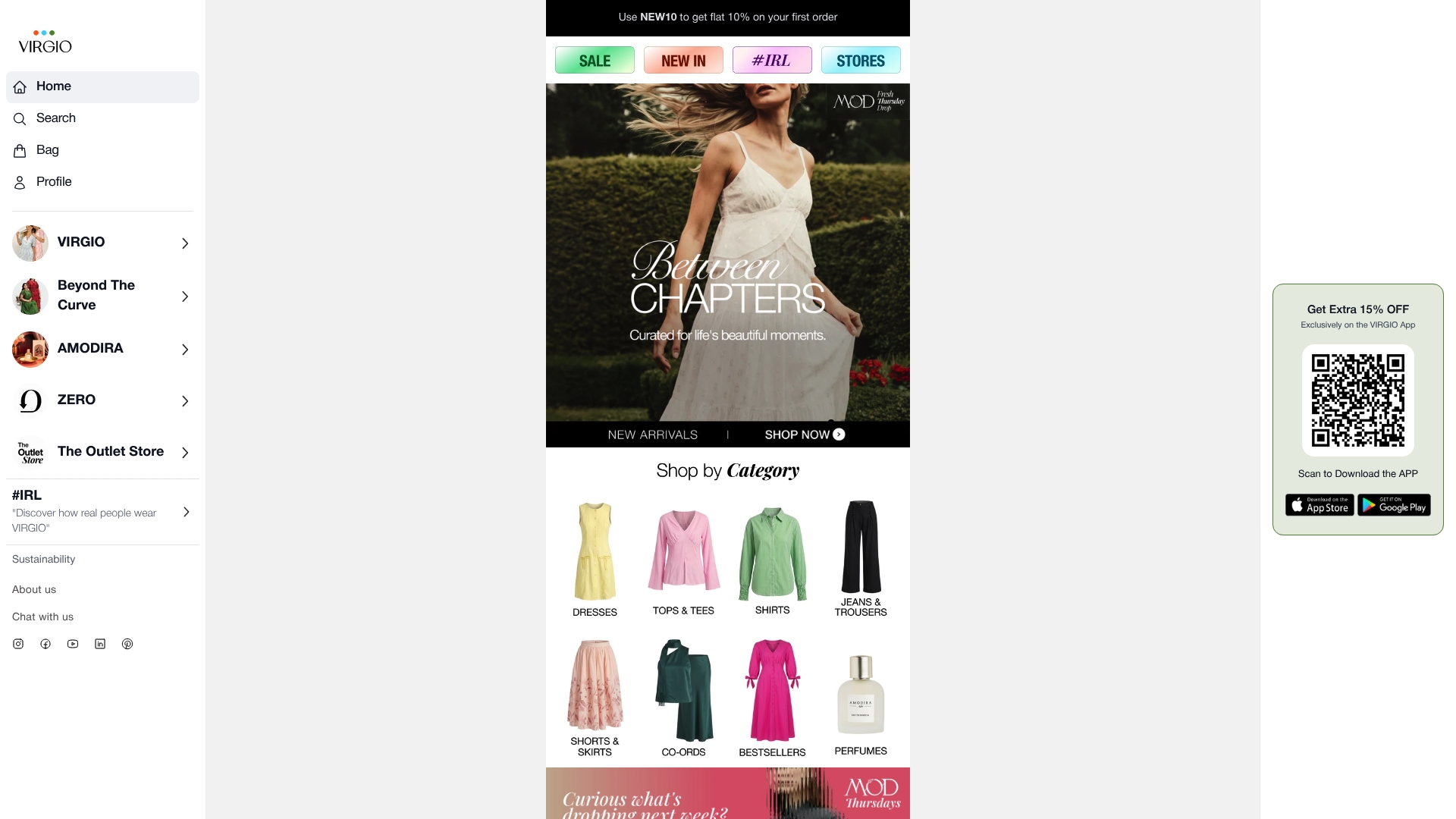
At a glance
Each garment carries a QR code that reveals fabric origin and a simple environmental impact summary. The labeled materials include viscose, organic cotton, and recycled textiles aimed at lowering waste. Beyond The Curve expands sizes with design that balances contemporary style and fit for diverse bodies.
Core features
-
Use of recycled and responsibly sourced fabrics such as viscose, organic cotton, and recycled fibers. This reduces reliance on virgin materials and supports circular thinking.
-
QR code transparency on every garment that links to sourcing and production details. The codes help you verify materials and learn about environmental trade offs.
-
Inclusive, size expanding collections like Beyond The Curve focused on fit and style for larger sizes. The collection aims to combine trend-driven cuts with better fitting patterns.
-
Fashion designed to promote circularity and reduce waste through repair, resale, or recycling messaging. The brand highlights circular options across seasonal drops.
-
Biodegradable plastic free packaging for orders, which cuts single use plastic at the delivery stage.
Key differentiator
Virgio blends circular fashion principles with tech enabled garment insight and expanded sizing. The visible QR codes pair traceability with consumer education. That mix positions the brand as a responsible alternative for shoppers who want both transparency and more inclusive fits.
Pros
-
Strong fabric choices that favor recycled and organic materials. This supports lower resource use compared with typical fast fashion.
-
The QR codes deliver on-the-spot information about origin and manufacturing. That feature helps you make an informed purchase at the point of sale.
-
Size inclusive collections encourage body positive styling and better fit for plus size shoppers. The design focus reduces the usual one size fits most approach.
-
The brand shows active community engagement and has earned recognition in sustainable fashion circles. That visibility fuels conversations about circular options.
-
Physical stores create an experiential shopping environment with eco friendly interiors. Trying garments in person helps evaluate fit and fabric before you buy.
Cons
-
Customer reports flag inconsistent fabric quality and durability issues. Several reviews mention pilling and shrinkage after a few washes.
-
Return and refund experiences appear uneven with delays and unclear communication in some cases. That adds friction when garments underperform.
-
Pricing and perceived quality do not always align for buyers expecting premium fabrics consistently. Some customers see a gap between marketing and garment performance.
-
International shipping coverage is limited, which restricts availability outside the brand’s primary regions.
When it may not fit
If you live outside the regions Virgio ships to, you will face availability and shipping barriers. If you expect luxury grade fabric durability across every piece, this brand may not match that standard. Shoppers prioritizing flawless aftercare and rapid customer service may prefer retailers with stronger return track records.
Who it’s for
Virgio fits young, digitally savvy shoppers who prioritize eco friendly choices and size inclusive styling. You care about transparency and want to know where materials come from before you buy. You appreciate modern silhouettes and community driven brands that discuss circular options openly.
Real world use case
A regular shopper follows Virgio on social channels and buys seasonal dresses from Beyond The Curve. They scan the QR codes to confirm organic cotton content and to read care recommendations. When a dress pills after wash, they use the return portal and share fit notes with the community to guide others.
Pricing
Most categories list at 799–3,599 INR with frequent discounts and promotions. Free shipping thresholds vary by region. The brand does not advertise bulk discounts or a formal premium pricing tier.
Website: https://virgio.com
Sowkids.com
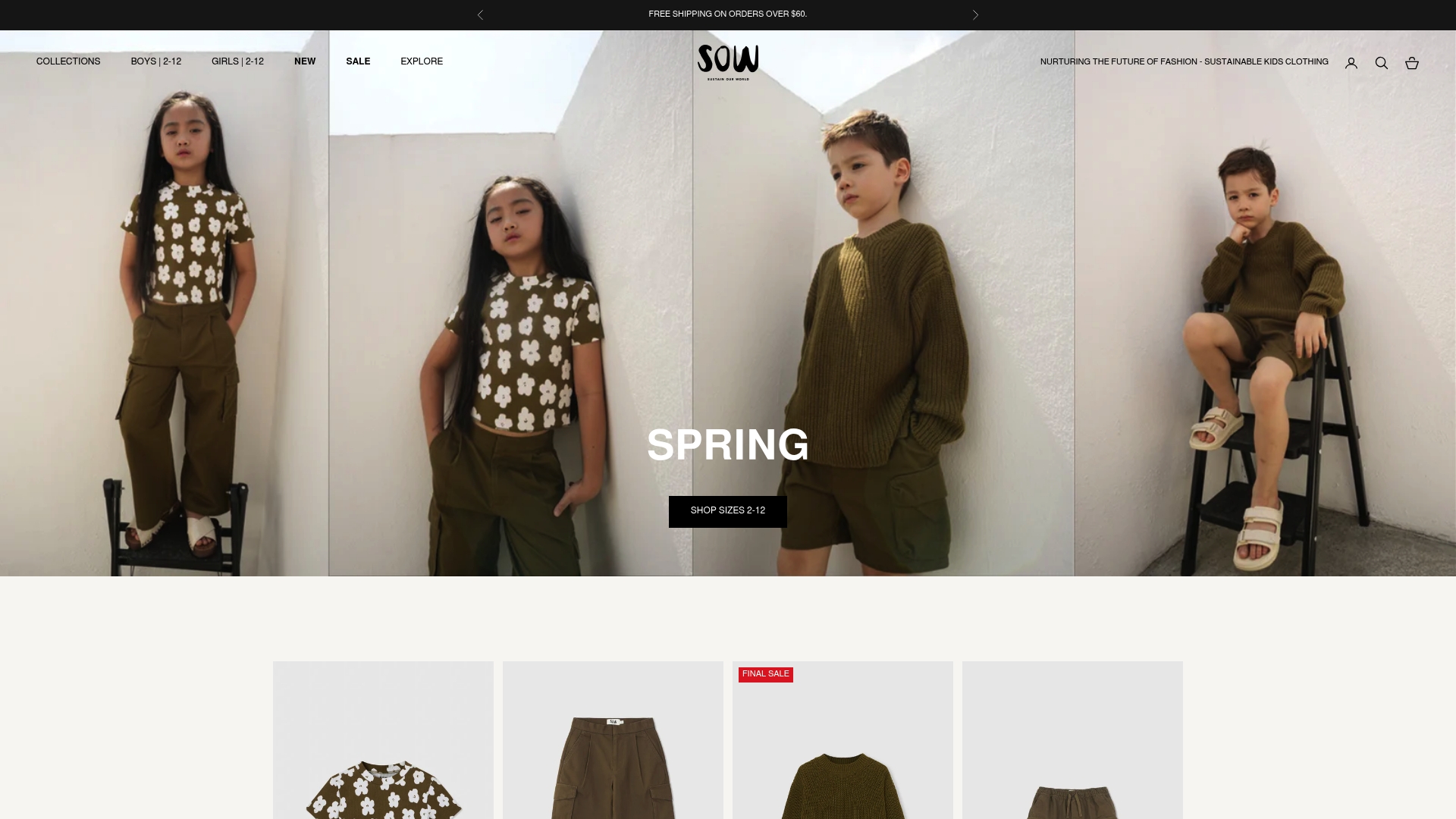
At a glance
Sowkids claims it plants a tree in Kenya for every purchase. That program links each order to a reforestation partner and adds an explicit ecological gesture to each sale. The brand also ships garments with plantable seed paper hangtags, which parents can use to teach kids about growth and care. This tangible giveback sets Sowkids apart from many small children’s labels.
Core features
Sowkids builds garments from organic and recycled materials across its size range. Collections target sizes two through twelve and include casualwear, outerwear, and active pieces. The company produces in small batches to reduce overproduction and to keep styles long lasting. Packaging and brand storytelling emphasize minimalism and transparent manufacturing.
Key differentiator
The clearest difference is the brand’s pairing of minimalist design with a planted-tree pledge and seed-paper hangtags. That combination turns each purchase into both a clothing buy and a visible environmental action. For parents who want a story to tell about a garment, Sowkids supplies that narrative in the product itself.
Pros
-
Strong sustainability focus supported by partnerships. The brand links purchases to reforestation and highlights eco-conscious packaging.
-
Durable, thoughtfully produced pieces. Small-batch production aims to increase garment longevity and reduce waste.
-
Minimalist aesthetic that fits modern wardrobes. Clean lines and neutral palettes make items easy to mix and hand down.
-
Educational touch points for kids. Seed tags and the tree-planting story create teachable moments about nature.
-
Transparent brand storytelling and responsive customer support. The site explains materials and production choices plainly.
Cons
-
Limited independent reviews. The product data shows few third-party testimonials, so satisfaction is hard to quantify.
-
Higher price bracket compared to fast-fashion childrenswear. Sustainable fabrics and ethical production raise costs.
-
Mostly online with little physical retail presence. Trying on sizes in person may prove difficult for some shoppers.
-
Shipping details for international orders are unclear. The company’s regional availability may vary by market.
When it may not fit
Sowkids may not suit budget-conscious families who prioritize low-price basics. It also misses buyers who prefer immediate in-store fitting or rapid returns. Retailers seeking broad wholesale availability should check regional shipping and stock before committing.
Who it’s for
Environmentally conscious parents and caregivers who value durability, ethical supply chains, and minimalist design will find Sowkids appealing. Gift-givers who want a meaningful product with an environmental story will also appreciate the brand. Small boutiques focusing on eco-friendly lines may consider selective stock.
Real world use case
A parent orders several organic cotton essentials and an outer layer for a growing child. They keep the seed hangtag to plant with their kid and post about the tree-planting program on social media. The garments hold up through repeated washes and get passed to a younger sibling.
Pricing
Most garments sit in the $25,000–$60.00 USD range in vendor materials. The vendor states free shipping for orders over $60. Prices vary by style and collection and some outerwear runs above the stated range.
Website: https://sowkids.com
Comparing sustainable streetwear brands
Explore how these brands address sustainability while offering unique styles and features.
| Product | Key Feature | Target Audience | Pricing | Notable Limitation |
|---|---|---|---|---|
| Czt | On-demand manufacturing and couture services | Streetwear fans valuing exclusivity | Accessories from $40 USD | Limited stock availability for certain limited editions |
| Rapanui | Circular economy model with garment recycling | Eco-conscious individuals and families | £14–90 GBP | International shipping options are limited |
| Virgio | QR code transparency on every garment | Eco-friendly and size-conscious shoppers | 799–3,599 INR | Inconsistent fabric durability reported by users |
| Sowkids.com | Tree planting for every purchase | Sustainable-focused parents | $25.00–$60.00 USD | Primarily online availability without significant physical retail |
Discover a distinctive alternative among Pangaia.com alternatives
Seeking streetwear that harmonizes sustainability with bold, personalized expression can lead to frustration when choices fall short on either style or ethics. Czt answers this tension by crafting each piece on demand, minimizing waste while delivering an aesthetically intriguing composition centered on recycled materials and custom couture design. This approach confronts the key challenge of overproduction common to many brands while inviting you to partake in a fashion experience that feels truly your own.
Explore Czt’s collection where art meets responsibility. Whether you are a skateboard enthusiast frolicking dangerously to the soundtrack of the city or an eco-conscious family seeking lasting, statement pieces, Czt’s innovative fusion of culture and craftsmanship stands apart. Visit Czt now and commission a custom streetwear expression that perfectly reflects your vision and values.
FAQ
What makes czt’s custom manufacturing model a sustainable choice?
Czt’s custom manufacturing model significantly reduces waste by producing clothing on demand rather than in bulk. This on-demand manufacturing approach allows for unique, exclusive pieces to be created only when customers place orders, thus minimizing leftover inventory. To experience a tailored piece that aligns with your style while supporting eco-friendly practices, consider Czt for your next sustainable streetwear purchase.
How does czt’s pricing compare to rapanui?
Rapanui offers garments ranging from £14 for kids’ T-shirts to about £90 for jackets, promoting a transparent sustainability approach. Czt, on the other hand, features a broad range of products, with accessories starting around $40 and hoodies beginning at about $170. For those seeking unique designs in sustainable streetwear, Czt provides an appealing option despite higher starting prices.
What is unique about czt’s limited-edition collaborations?
Czt’s limited-edition collaborations with diverse artists and designers contribute to unique pieces that appeal to streetwear enthusiasts. These collaborations create short-run drops that enhance exclusivity, setting Czt apart as a brand that not only prioritizes sustainability but also celebrates creativity. If you appreciate distinctive, culturally relevant pieces, Czt’s offerings would likely resonate with your aesthetic.
Are there any recycling incentives with Czt?
Czt does not specifically mention a recycling program like Rapanui’s circular economy initiative that rewards returning worn garments. While Czt focuses on on-demand production to reduce waste, customers looking for brands with explicit recycling rewards may want to consider alternatives that emphasize circularity. Nevertheless, by choosing Czt, you are actively participating in eco-friendly production methods with each purchase.
How does Czt ensure high-quality materials?
Czt is dedicated to using high-quality, durable fabrics that are designed to last through regular wear and performance activities. This commitment addresses a common concern for streetwear buyers, who often seek pieces that not only look good but also endure the rigors of everyday use. Opt for Czt to invest in sustainable streetwear that prioritizes quality alongside style.